More games like SEGA Mega Drive & Genesis Classics
players who liked SEGA Mega Drive & Genesis Classics also liked:
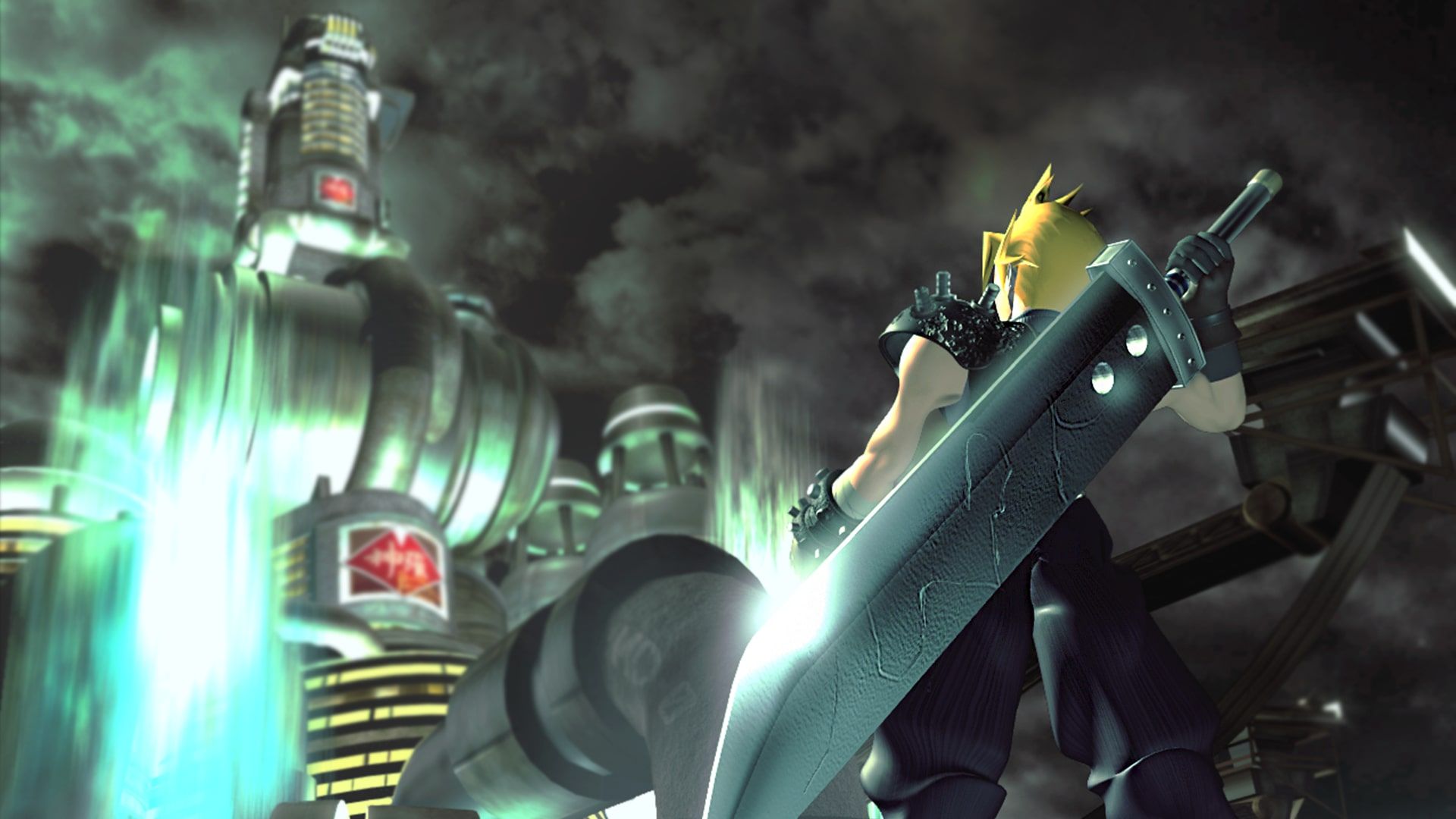
Final Fantasy VII is an unlicensed "Shanzhai" demake of SquareSoft role-playing game of the same name, originally released for PlayStation in 1997. This two-dimensional "port" was developed and published by Chinese company Shenzhen Nanjing Technology for Subor, a Nintendo's Family Computer clone console series (internationally known as the NES). The cartridge itself is unique, as it is structurally different from licensed Famicom cartridges in terms of hardware and programming.

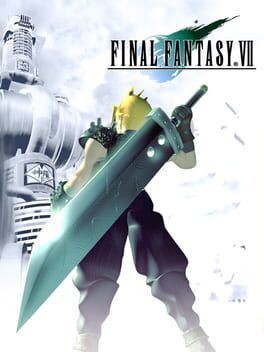
The Western release of Final Fantasy VII (released as Final Fantasy VII International in Japan) included additional elements and alterations, such as streamlining of the menu and Materia system, reducing the health of enemies, new visual cues to help with navigation across the world map, and additional cutscenes relating to Cloud's past.
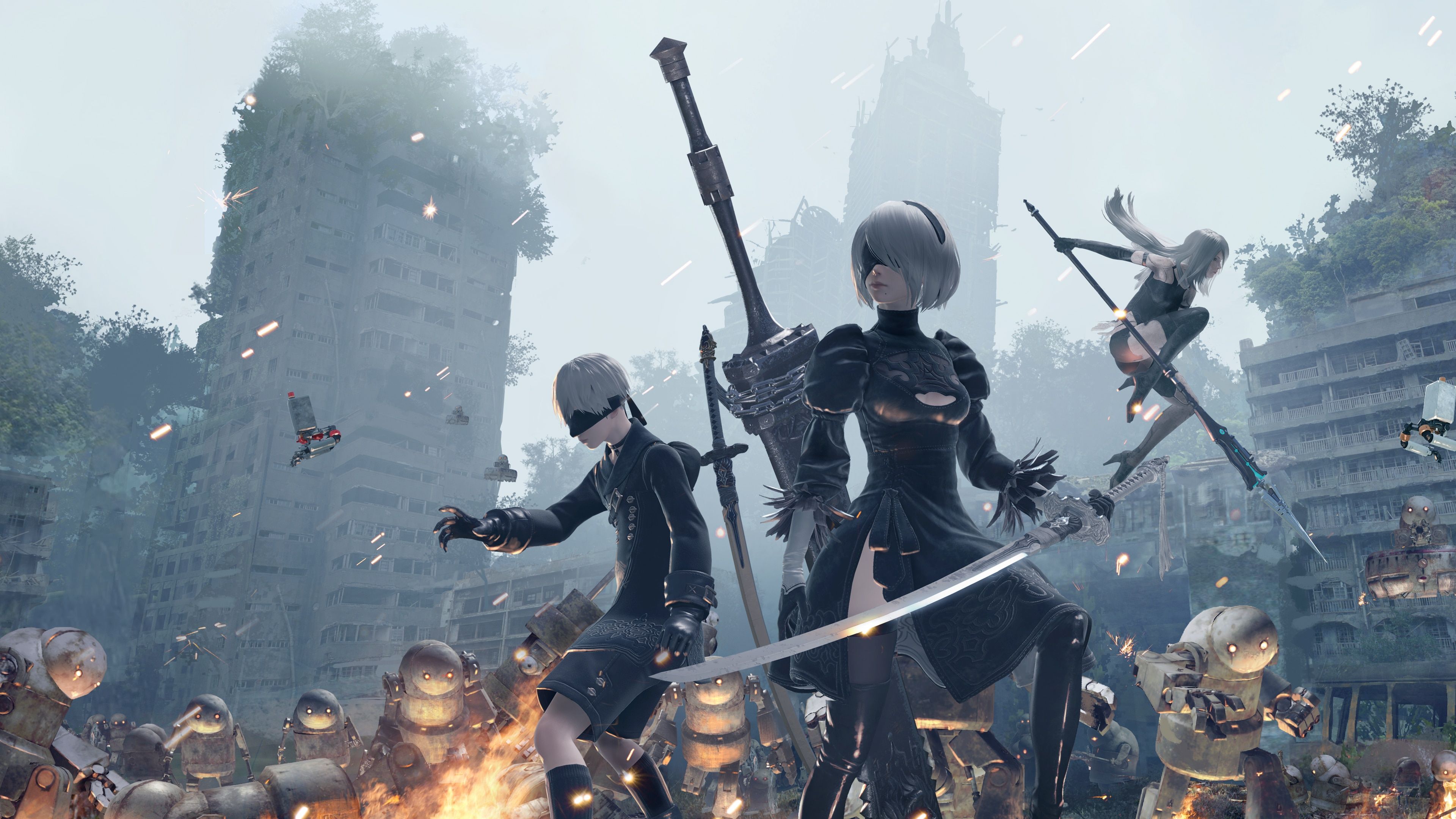
NieR: Automata tells the story of androids 2B, 9S and A2 and their battle to reclaim the machine-driven dystopia overrun by powerful machines.
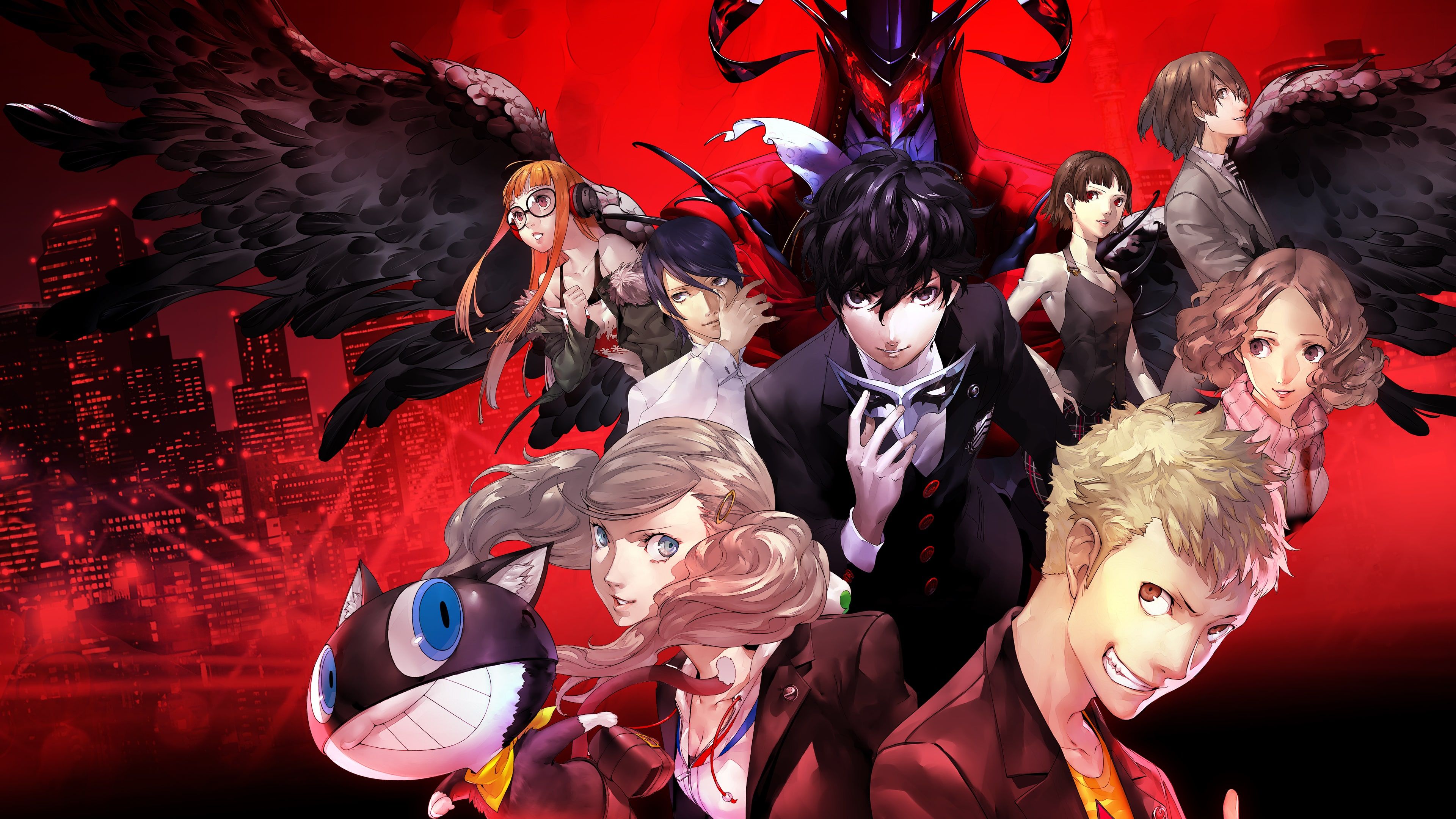
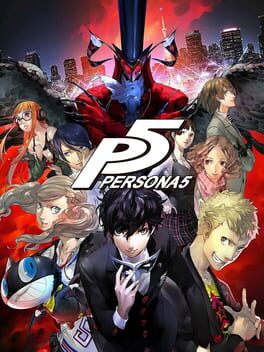
Persona 5, a turn-based JRPG with visual novel elements, follows a high school student with a criminal record for a crime he didn't commit. Soon he meets several characters who share similar fates to him, and discovers a metaphysical realm which allows him and his friends to channel their pent-up frustrations into becoming a group of vigilantes reveling in aesthetics and rebellion while fighting corruption.
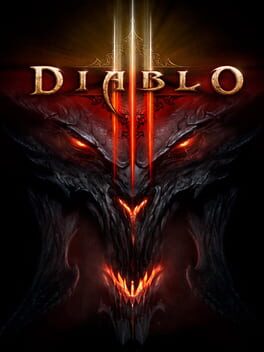
Diablo III is the third installment in Blizzard's franchise. The game, like its predecessors, is a dungeon crawler in which the player fights against hordes of enemies ranging from beasts and undead to actual demons. The game has four acts, two game modes (normal and hardcore) as well as four difficulty levels: Normal, Nightmare, Hell and Inferno. A new addition to Diablo III is the auction house, where items are exchanged for in-game gold or real money, also usable to purchase Blizzard merchandise. The game features a wide array of achievements earned upon meeting certain requirements.
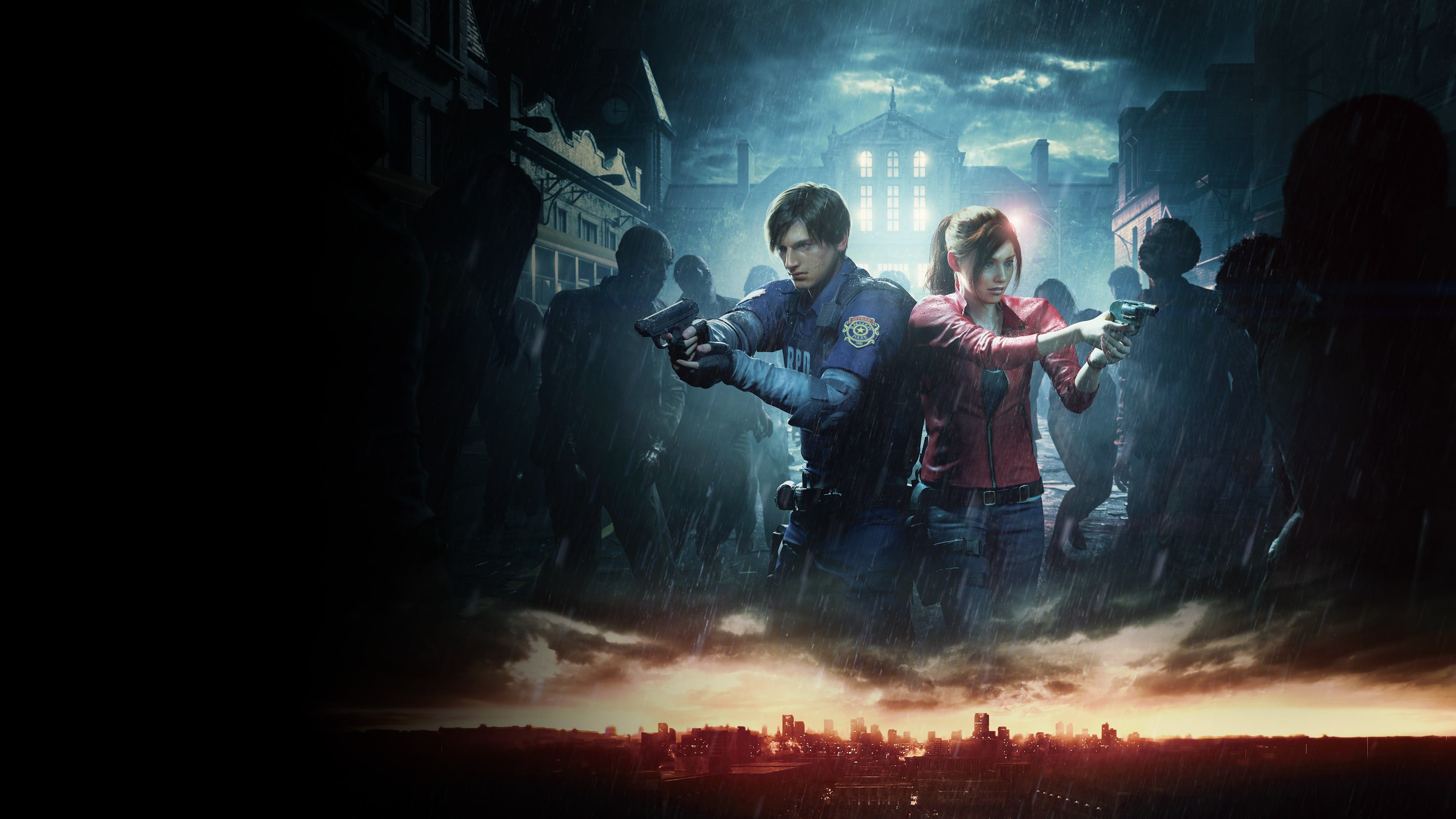
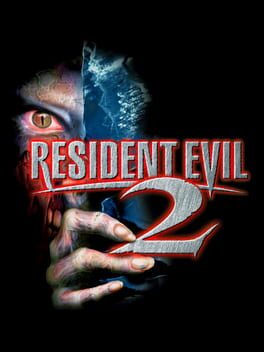
Resident Evil 2 is a sequel to the first Resident Evil title. Like the previous game in the series, Resident Evil 2 is a 3D action-adventure using three-dimensional polygon characters over two-dimensional pre-rendered backgrounds, with the action viewed through a variety of cinematic fixed camera angles in each room. Players can choose to play as one of two possible characters; each goes through the same initial scenario but with differences in the type of weaponry they find and the people they meet along the way.
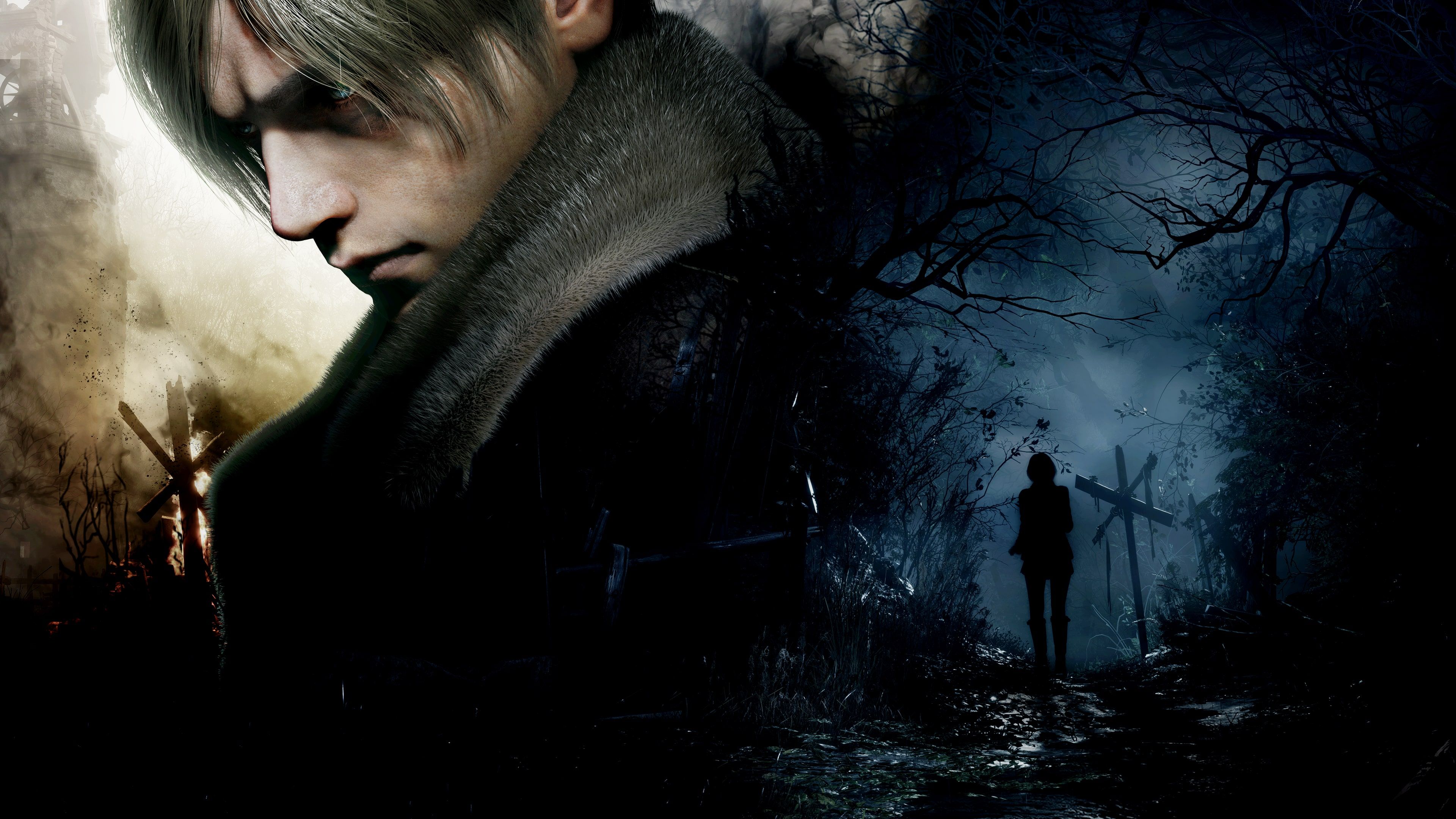
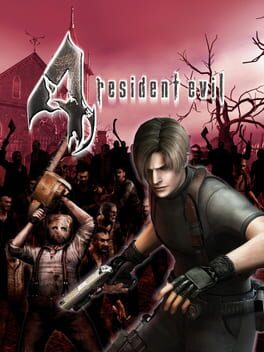
Resident Evil 4 is the sixth installment in the Resident Evil series and is often noted for its departure from the fixed camera angles of earlier titles. It introduced an over-the-shoulder third-person perspective, faster-paced gunplay, and more dynamic controls. The game features larger, more open environments and a new AI system that enables enemies to coordinate attacks and attempt to corner the player. Enemies exhibit more human-like behavior, such as climbing ladders, opening doors, and using weapons.
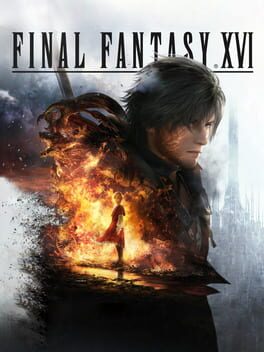
A single-player action RPG set in a high-fantasy world where warring nations and powerful summoned Eikons shape political intrigue and personal vengeance. Players control Clive, a former shield bearer whose life is upended by tragedy. Engage in fast-paced, tactical real-time combat that blends heavy weapons, Eikon-driven abilities, and cinematic set pieces. Deeply narrative-driven, the game emphasizes character development, expansive locales to explore, and dramatic boss encounters while offering layered combat customization through combos, parries, and skill upgrades.