
More games like Killer Frequency
players who liked Killer Frequency also liked:
Resident Evil Village is a first-person survival horror game and the sequel to Resident Evil 7: Biohazard. The game maintains elements from previous Resident Evil games, with players having to scavenge environments for items and manage their resources. However, it adds more action-oriented gameplay, with higher enemy counts and a greater emphasis on combat.
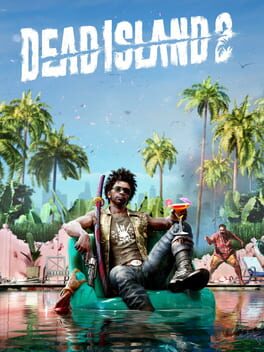
Dead Island 2 is a survival horror first-person shooter set in a zombie apocalypse in Los Angeles. Players explore an open world, gathering resources, interacting with survivors, and battling swarms of zombies in fast-paced combat. Set fifteen years after the events of Dead Island: Riptide, the game features a new cast of characters and narrative, while maintaining the series’ signature blend of brutal melee action and immersive environments.
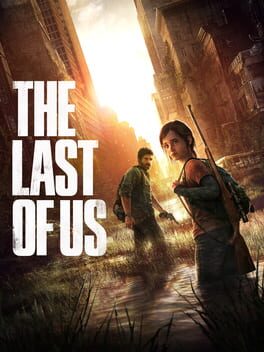
The Last of Us is a third-person action-adventure game featuring a mix of exploration, stealth and combat. Players face both infected creatures and hostile human enemies while progressing through varied environments. The game includes a narrative-driven single-player campaign and a competitive online multiplayer mode called Factions. Trophy support is included, and additional downloadable content was made available separately.
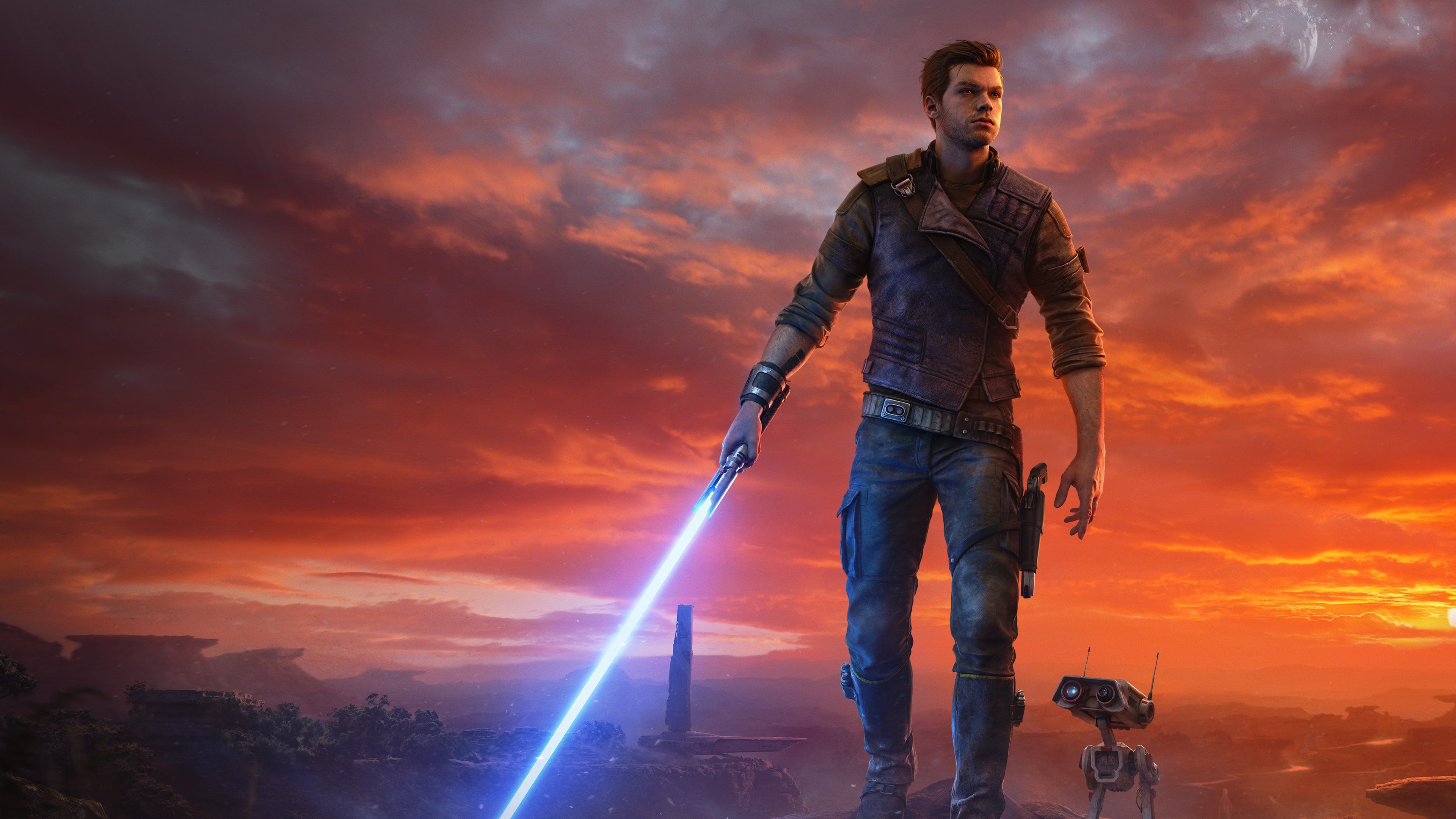
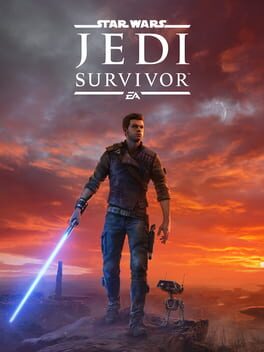
The story of Cal Kestis continues in Star Wars Jedi: Survivor, a third-person, galaxy-spanning, action-adventure game from Respawn Entertainment, developed in collaboration with Lucasfilm Games. This narratively driven, single-player title picks up five years after the events of Star Wars Jedi: Fallen Order and follows Cal’s increasingly desperate fight as the galaxy descends further into darkness. Pushed to the edges of the galaxy by the Empire, Cal will find himself surrounded by threats new and familiar. As one of the last surviving Jedi Knights, Cal is driven to make a stand during the galaxy’s darkest times — but how far is he willing to go to protect himself, his crew, and the legacy of the Jedi Order?
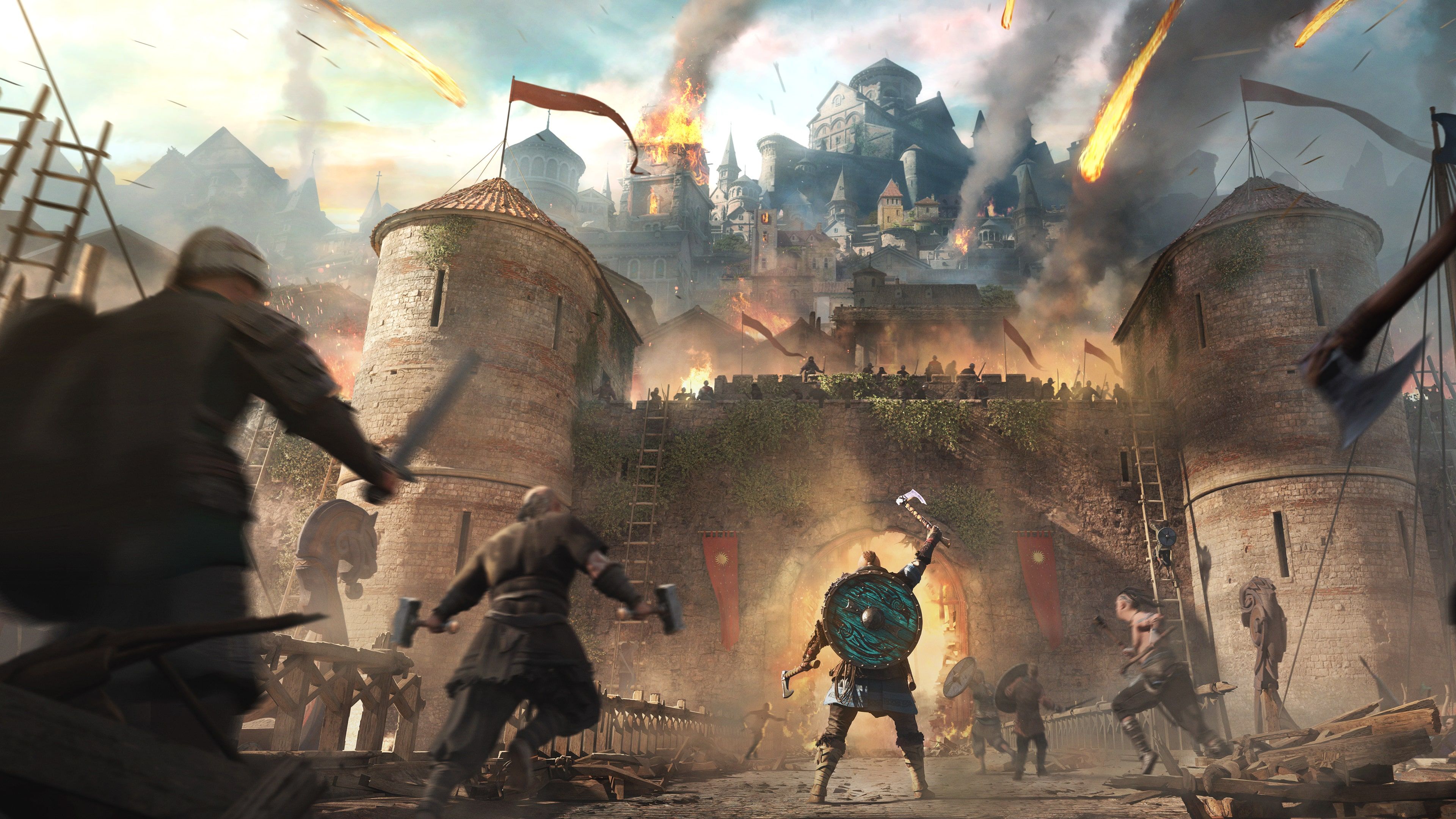
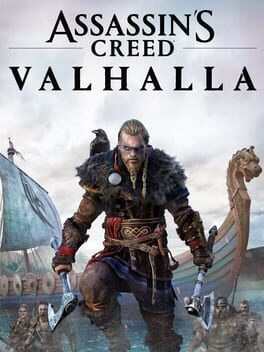
In Assassin's Creed Valhalla, become Eivor, a legendary Viking raider on a quest for glory. Explore a dynamic and beautiful open world set against the brutal backdrop of England’s Dark Ages. Raid your enemies, grow your settlement, and build your political power in the quest to earn a place among the gods in Valhalla.
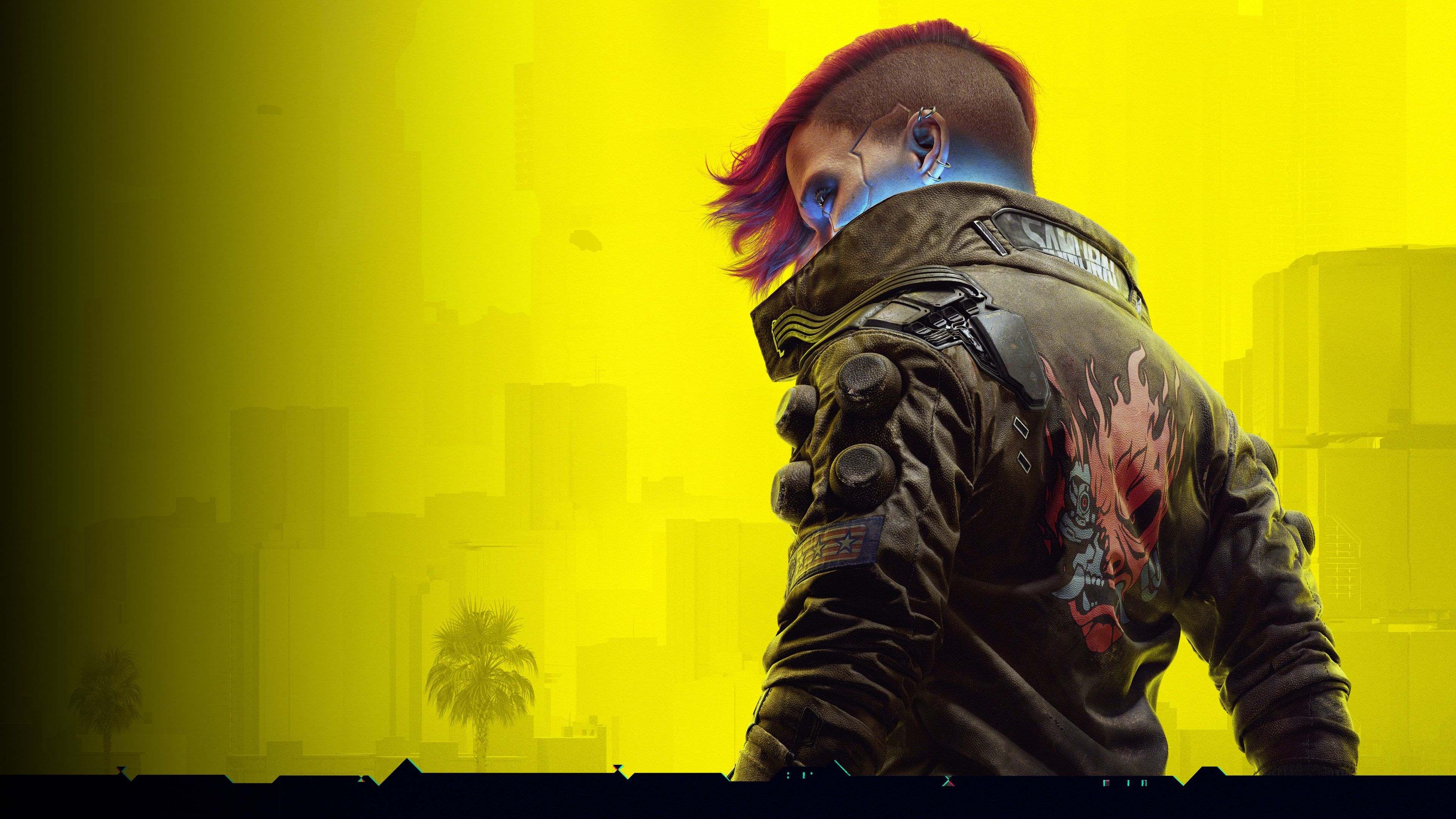

Cyberpunk 2077 is an open-world action-adventure game set in Night City, a sprawling metropolis driven by power, glamour, and body modification. Players assume the role of V, a mercenary outlaw in pursuit of a unique implant that holds the key to immortality. The game allows extensive customization of cyberware, skills, and playstyle. Choices made throughout the journey influence both the narrative and the world.
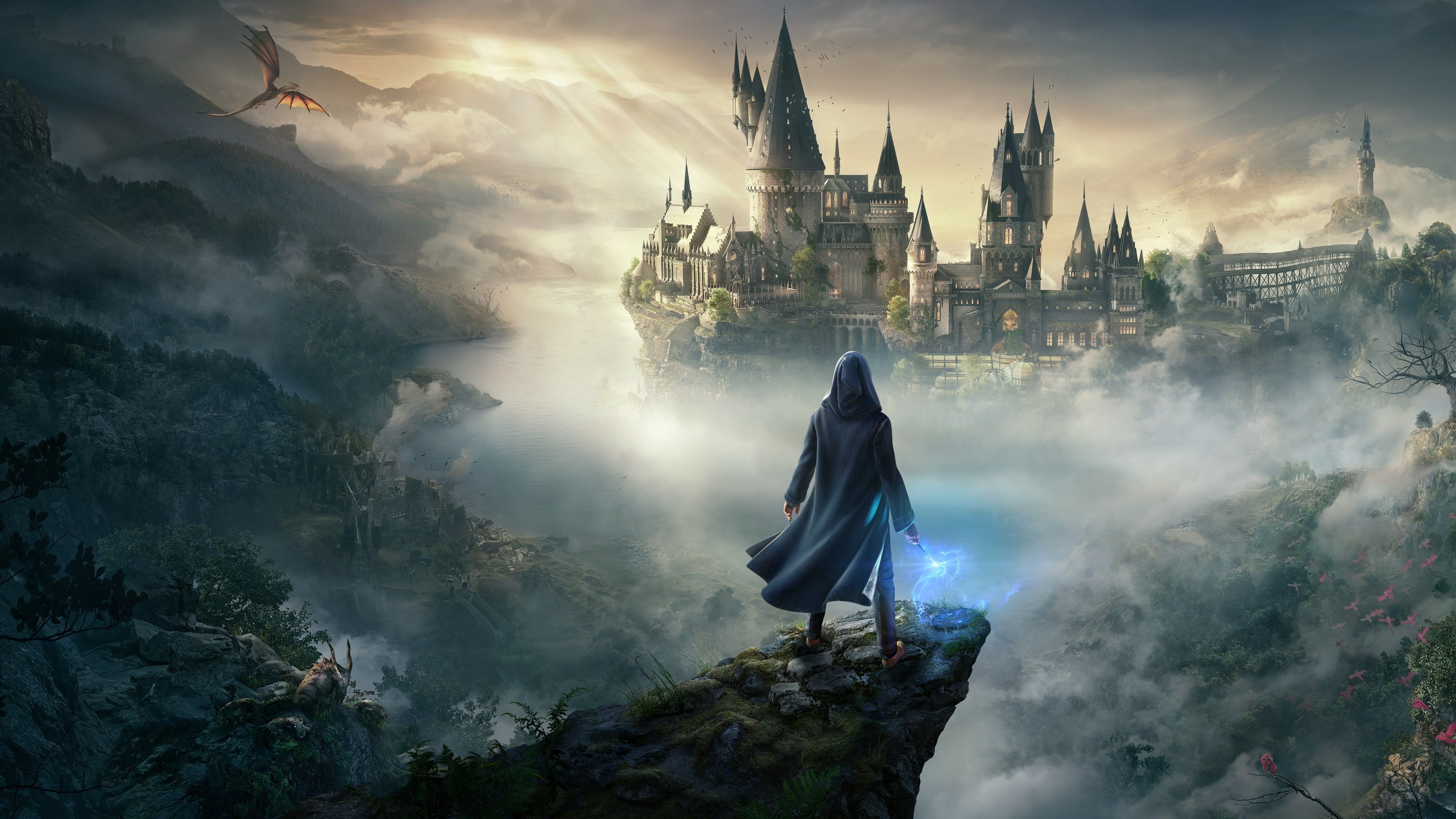
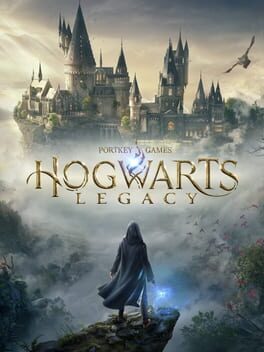
Hogwarts Legacy is an immersive, open-world action RPG set in the world first introduced in the Harry Potter books. Now you can take control of the action and be at the center of your own adventure in the wizarding world. Embark on a journey through familiar and new locations as you explore and discover fantastic beasts, customize your character and craft potions, master spell casting, upgrade talents, and become the wizard you want to be. Discover the feeling of living at Hogwarts as you make allies, battle Dark wizards, and ultimately decide the fate of the wizarding world. Your legacy is what you make of it.