
More games like Yu-Gi-Oh! Duel Monsters
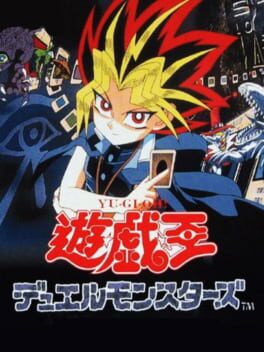
players who liked Yu-Gi-Oh! Duel Monsters also liked:
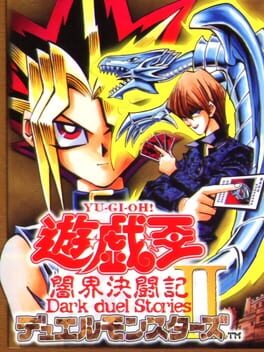
Yu-Gi-Oh! Duel Monsters II: Dark Duel Stories is a video game for the Game Boy Color, the sequel to Yu-Gi-Oh! Duel Monsters. Although the gameplay is still much simpler than the OCG, this game introduced 355 new cards, for a total of 720 (in contrast with the 365 total cards of its predecessor). Trap Cards and Ritual Spell Cards were first included in this game.

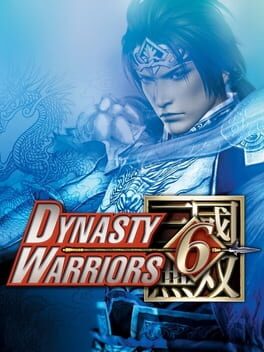
Based on the epic novel, Romance of the Three Kingdoms, the genre-defining Dynasty Warriors series depicts the massive battles ignited by the fall of the Han Dynasty when three rebellious states moved to overthrow the Emperor of China. Expanding over the original with a new combat engine, Dynasty Warriors 6 delivers the exhilaration of single-handedly destroying thousands of soldiers on massive fields of combat. The lightning-fast king-fu fighting, fluid animation, intuitive combat system and immersive game environments push the limits of tactical action!
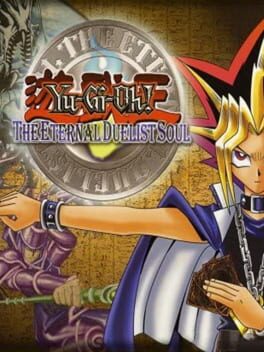
Yu-Gi-Oh! The Eternal Duelist Soul is a Yu-Gi-Oh! video game for the Game Boy Advance. It is the international version of Yu-Gi-Oh! Duel Monsters 5 Expert 1. Gameplay is similar to standard dueling rules, except that the Side Deck allows less than 15 cards, and is more for convenience of getting to cards for your Deck than switching between duels, as CPU duels are single duels rather than matches (with some exceptions in events).
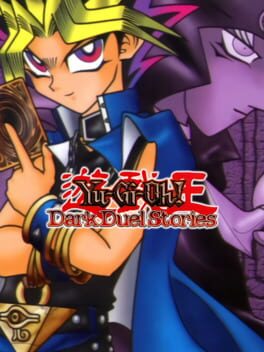
Yu-Gi-Oh! Dark Duel Stories, released in Japan as Yu-Gi-Oh! Duel Monsters III: Tri-Holy God Advent, is a Game Boy Color video game and the third title in the Yu-Gi-Oh! Duel Monsters series of games. It was released in Japan on July 13, 2000, and it was the first Yu-Gi-Oh! video game to be released outside of Japan, with a United States release date of March 19, 2002. Players of the game can trade and battle with other players using a link cable.
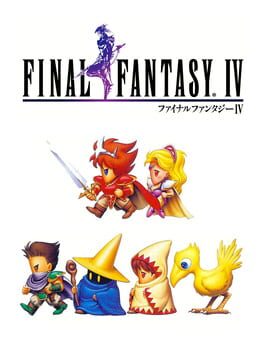
FINAL FANTASY IV is the fourth main installment in the FINAL FANTASY series, developed and published by Squaresoft. It was released in July 1991 for the Super Nintendo Entertainment System in Japan, and released as FINAL FANTASY II in North America in October 1991 with alterations made due to Nintendo of America's guidelines at the time.
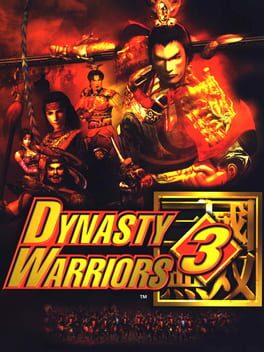
Dynasty Warriors 3 is the third installment of the Dynasty Warriors series in North America and the second within the Shin Sangoku Musou series in Japan. It is a spin-off from the video game Romance of the Three Kingdoms and based around a series of books by the same name, written by Luo Guanzhong. The game contains a number of fictional and non-fictional elements from the same era in Chinese history that Romance of the Three Kingdoms is set. However, it follows the main events of part of the story which is to unify China under the single rule of a kingdom.
![Boxart for Final Fantasy V: Advance [Subset - Four Job Fiesta]](https://playtracker.net/cdn-cgi/image/format=auto/https://playtracker-apollo.fra1.cdn.digitaloceanspaces.com/thumbnails/game_thumb_133199.png)