More games like Terminator 2D: NO FATE
players who liked Terminator 2D: NO FATE also liked:


RoboCop: Rogue City is a first-person shooter set in the dystopian world of Old Detroit. Players step into the role of RoboCop, enforcing the law with a mix of brutal combat, investigation, and decision-making. Featuring a story set between RoboCop 2 and 3, the game combines cinematic action, cyberpunk atmosphere, and moral choices.
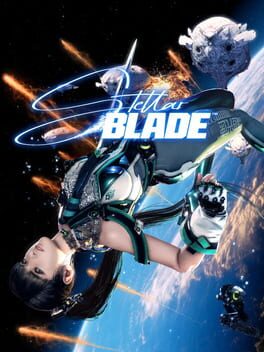
Stellar Blade is a third-person action-adventure game set on a post-apocalyptic Earth. Players control Eve, an elite soldier deployed from an orbital colony to reclaim the planet from hostile creatures called Naytibas. The combat system emphasizes timing-based parrying and evasion, with skill gauges that unlock powerful attacks and buffs. The game features exploration across ruined environments, side quests from NPC survivors in the last human city of Xion, and a narrative with multiple endings based on player choices.
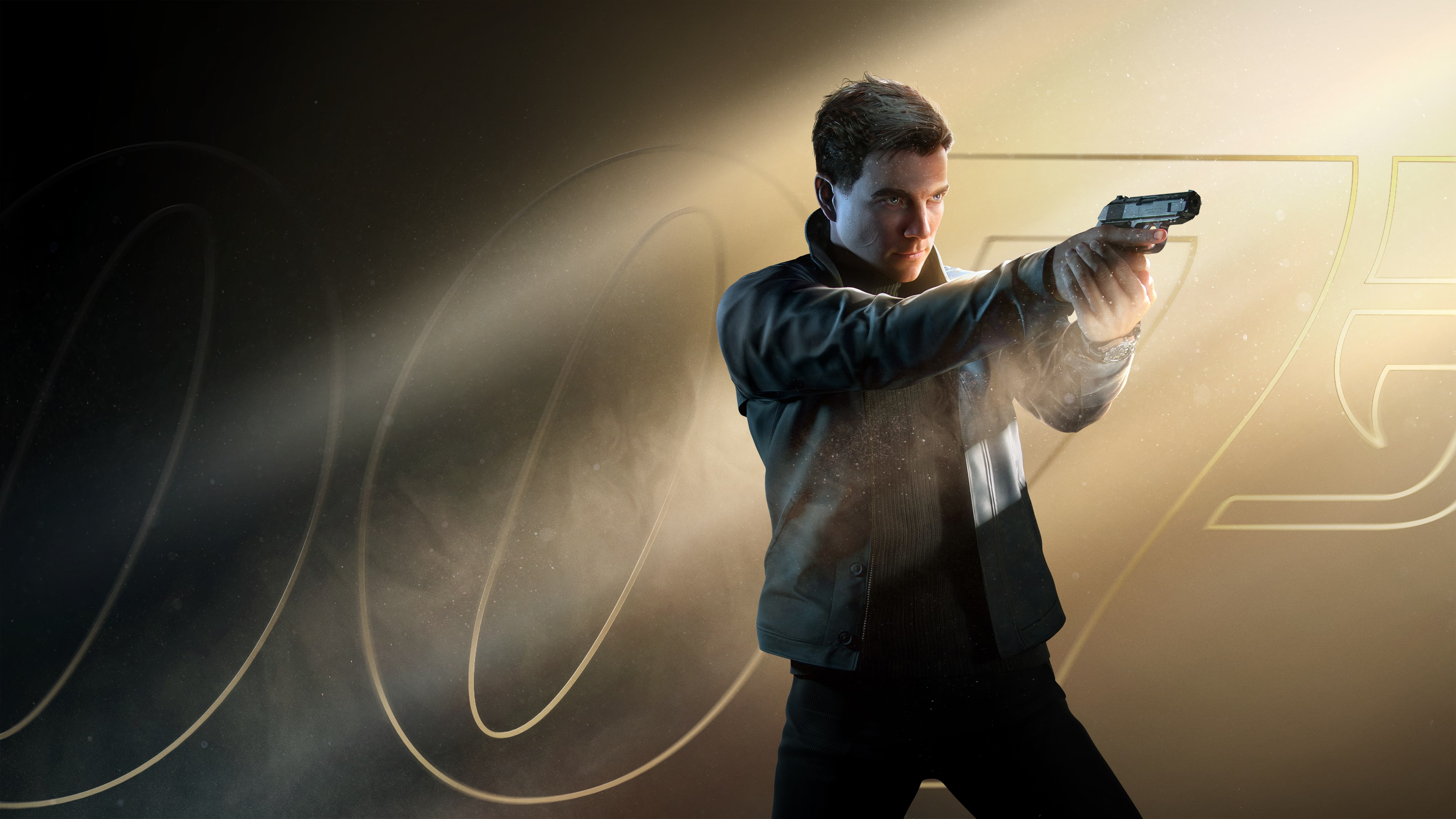

007 First Light is a thrilling espionage action-adventure game from IO Interactive. Players follow James Bond as a young, resourceful, and sometimes reckless recruit in MI6's training program and discover an origin story of the world's most famous spy.
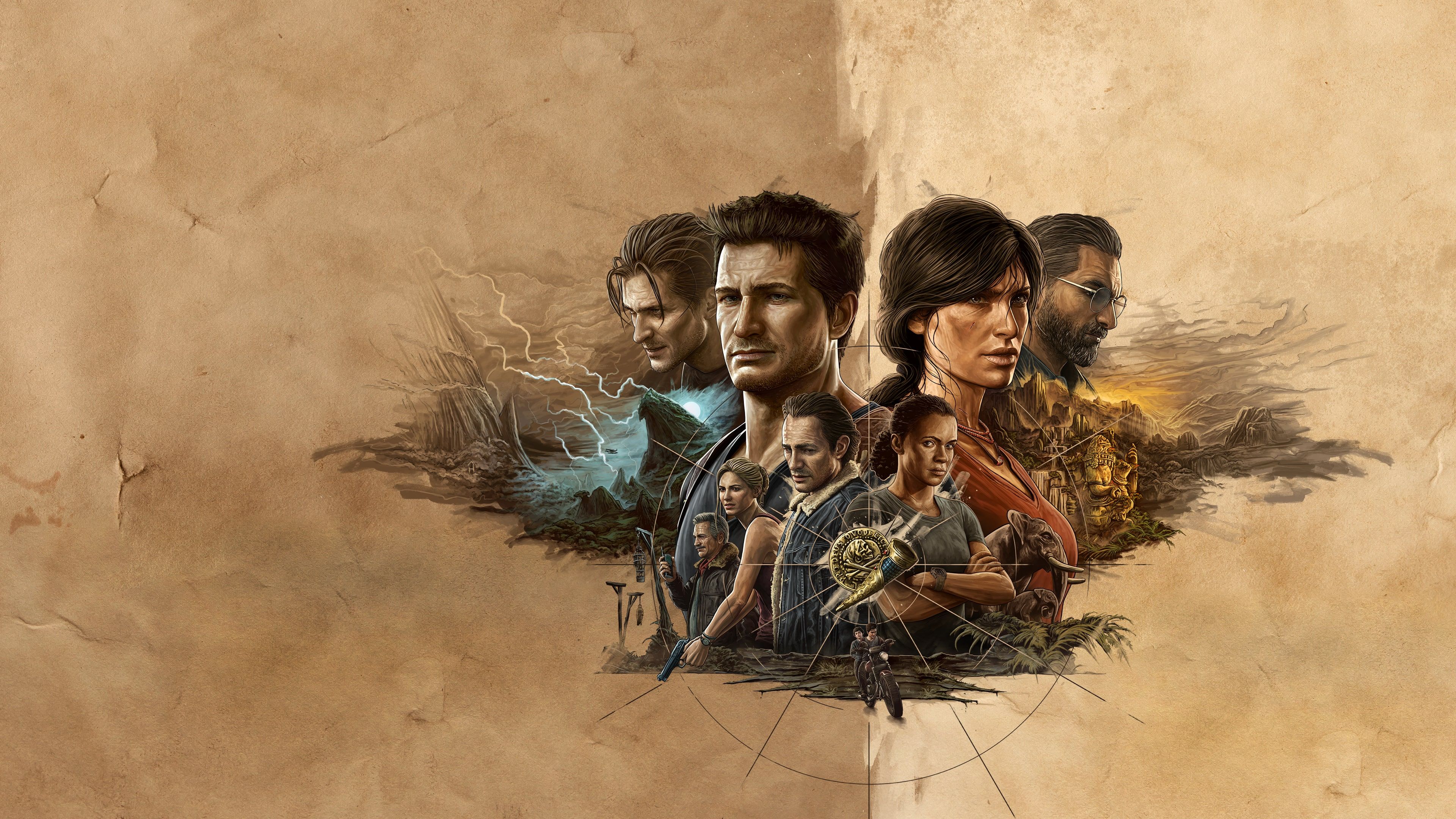
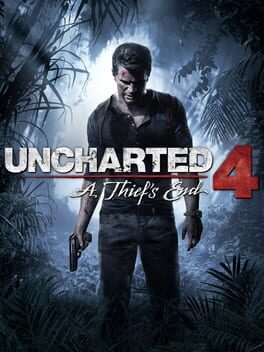
Several years after his last adventure, retired fortune hunter, Nathan Drake, is forced back into the world of thieves. With the stakes much more personal, Drake embarks on a globe-trotting journey in pursuit of a historical conspiracy behind a fabled pirate treasure. His greatest adventure will test his physical limits, his resolve, and ultimately what he's willing to sacrifice to save the ones he loves.

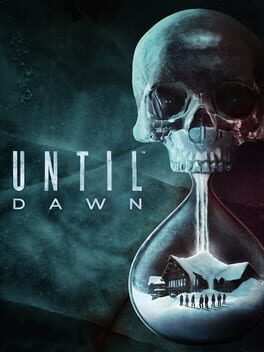
Until Dawn is an interactive drama survival horror video game. It was originally planned as a first-person game for the PlayStation 3's motion controller PlayStation Move, but the motion controls were later dropped when it became a PlayStation 4 exclusive game. Until Dawn is designed to be played multiple times, as players will miss out on quite a bit of content with a single playthrough. Each will last about nine hours in length and the game mechanics utilize a new in-game system called the "Butterfly Effect" in which any choice of action by the player may cause unforeseen consequences later on. For example, locating a weapon in an earlier chapter may allow the player to pick it up down the line when a chase scene leads back to the same room. Throughout the game, players will make difficult decisions during ethical or moral dilemmas, such as sacrificing one character to save another. The Butterfly Effect system blurs the line between right and wrong decisions and it is possible for players to keep all eight characters alive as well as having all eight of them die, allowing for many different paths and scenarios as well as offering several different endings. Until Dawn has a strict auto-save system to prevent players from reloading a previous save file to an earlier point in the game if they regret an in-game decision they have made. The only way to change the player's choice is to restart the game from the beginning or continue to the end and start a new game. In a developer interview, it has been said that Until Dawn has "hundreds of endings". Different endings have different variations depending on the combination of characters alive at the end of the game. The gameplay is focused on exploration, quick-time events and discovering clues as well as making decisions. There is an in-game system that will keep track of all of the clues and secrets players have discovered in total, even if there are multiple playthroughs; these clues will allow the player to piece together the mysteries of Blackwood. In terms of the gameplay mechanics and theme, Until Dawn has been noted to be similar to Heavy Rain and Beyond: Two Souls. Until Dawn was met with a positive critical response upon release, with praise directed at the visuals, choice mechanic, horror elements, music, voice acting and gameplay design. Most of the criticism the game drew was concerning the story, mostly the second half, camera angles, character movements and partially linear plot.
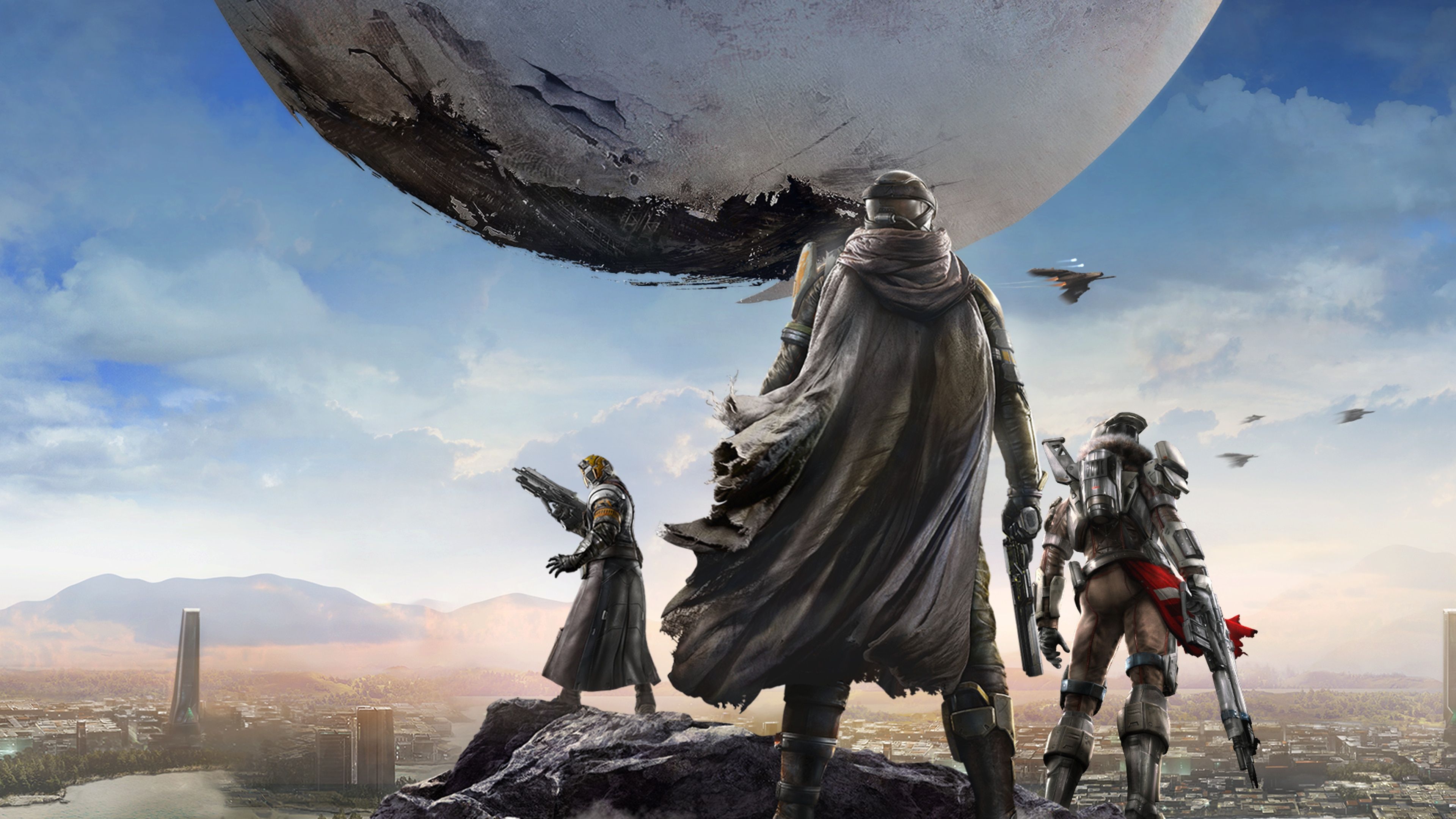
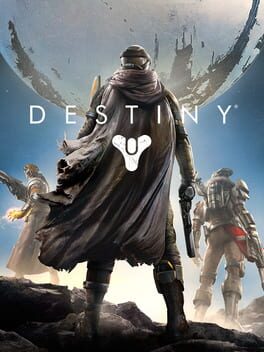
Bungie has emphasized that the universe of Destiny will be "alive". Events may happen in-game that are not necessarily controlled or planned by the developer, which will help to create a dynamic developing experience for Bungie and a dynamic playing experience for gamers. The game's style has been described a first-person shooter that will incorporate massively multiplayer online game (MMO) elements, but Bungie has avoided defining Destiny as a traditional MMO game. Instead, the game has been referred to as a "shared-world shooter," as it lacks many of the characteristics of a traditional MMO game. For instance, rather than players being able to see and interact with all other players in the game or on a particular server—as is the case in many conventional MMO games—Destiny will include on-the-fly matchmaking that will allow players to see and interact only with other players with whom they are "matched" by the game. Destiny will incorporate a new game engine that allows global illuminations and real-time dynamic lighting to occur together. An innovation in Bungie's "hopper" technology, which has been the backbone for Halo's matchmaking system, will allow better player matchmaking in order to create a more natural experience in either cooperative or competitive multiplayer modes.
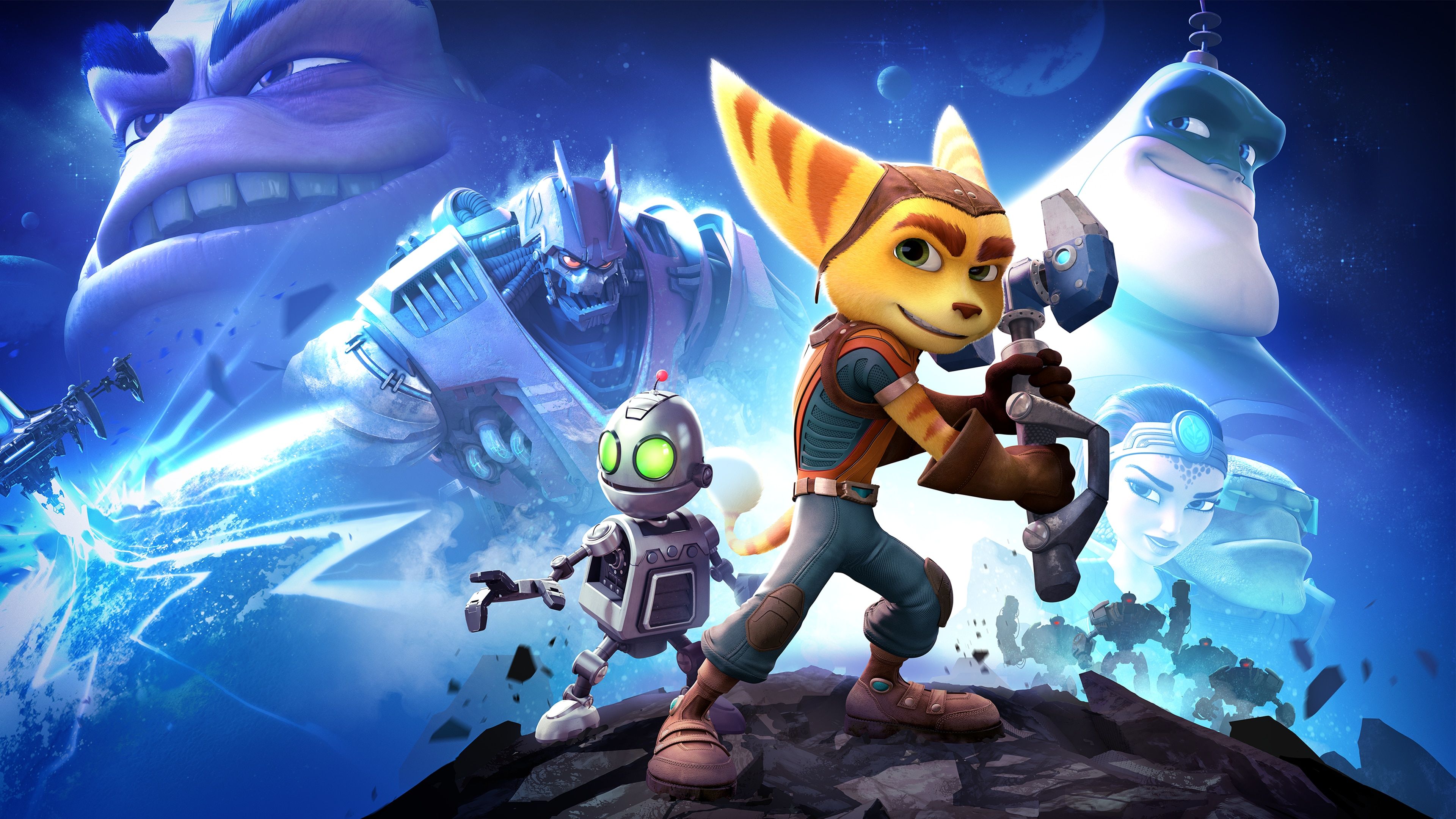
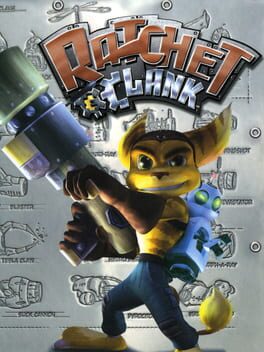
Ratchet & Clank is a 3D platform-adventure game featuring the protagonists Ratchet, a furry alien creature, and Clank, a small robot. The two travel across the galaxy in search of Captain Qwark and ultimately become involved in an effort to prevent a threat to the galaxy. The game follows conventions established by earlier 3D platform games such as Rayman, Sonic, and Mario while introducing its own mechanics and structure. Its levels consist of large environments with detailed buildings and distant areas that can often be reached and explored. The game also includes several gameplay sequences outside its standard platforming, including space combat and first-person turret sections resembling Missile Command. The game contains more than twenty levels, each set on a different planet, along with numerous real-time cutscenes that develop the story. Progression is partly non-linear, requiring the player to revisit previous planets to complete objectives and offering multiple routes through portions of the game. Ratchet can also acquire or purchase a range of weapons, gadgets, and accessories, each providing different functions in combat, exploration, or puzzle-solving.