More games like Runner2
players who liked Runner2 also liked:
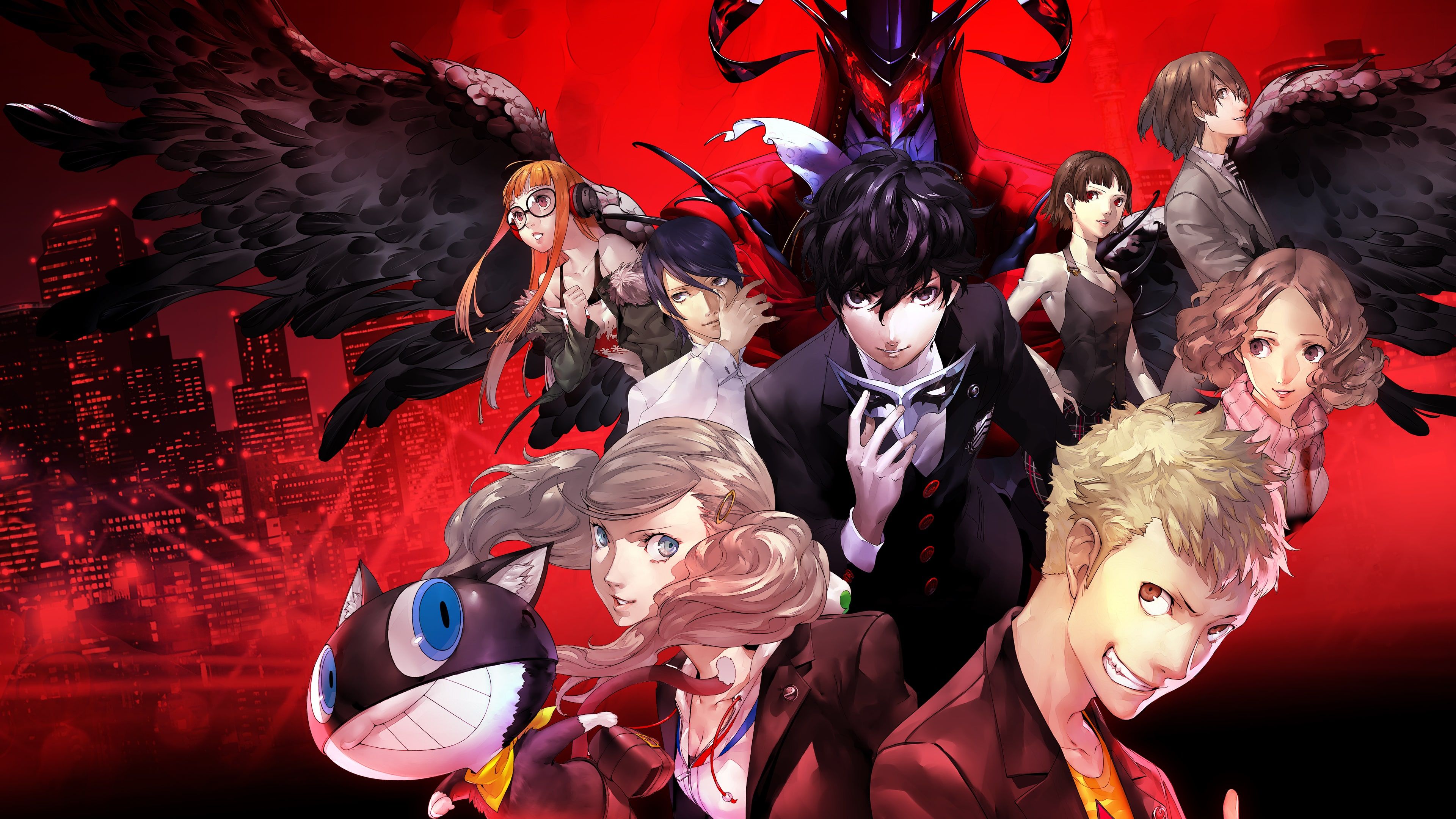
Persona 5, a turn-based JRPG with visual novel elements, follows a high school student with a criminal record for a crime he didn't commit. Soon he meets several characters who share similar fates to him, and discovers a metaphysical realm which allows him and his friends to channel their pent-up frustrations into becoming a group of vigilantes reveling in aesthetics and rebellion while fighting corruption.

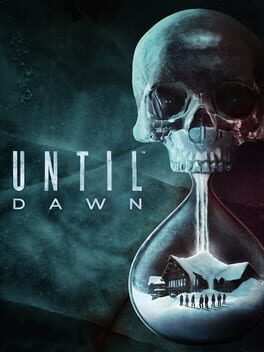
Until Dawn is an interactive drama survival horror video game. It was originally planned as a first-person game for the PlayStation 3's motion controller PlayStation Move, but the motion controls were later dropped when it became a PlayStation 4 exclusive game. Until Dawn is designed to be played multiple times, as players will miss out on quite a bit of content with a single playthrough. Each will last about nine hours in length and the game mechanics utilize a new in-game system called the "Butterfly Effect" in which any choice of action by the player may cause unforeseen consequences later on. For example, locating a weapon in an earlier chapter may allow the player to pick it up down the line when a chase scene leads back to the same room. Throughout the game, players will make difficult decisions during ethical or moral dilemmas, such as sacrificing one character to save another. The Butterfly Effect system blurs the line between right and wrong decisions and it is possible for players to keep all eight characters alive as well as having all eight of them die, allowing for many different paths and scenarios as well as offering several different endings. Until Dawn has a strict auto-save system to prevent players from reloading a previous save file to an earlier point in the game if they regret an in-game decision they have made. The only way to change the player's choice is to restart the game from the beginning or continue to the end and start a new game. In a developer interview, it has been said that Until Dawn has "hundreds of endings". Different endings have different variations depending on the combination of characters alive at the end of the game. The gameplay is focused on exploration, quick-time events and discovering clues as well as making decisions. There is an in-game system that will keep track of all of the clues and secrets players have discovered in total, even if there are multiple playthroughs; these clues will allow the player to piece together the mysteries of Blackwood. In terms of the gameplay mechanics and theme, Until Dawn has been noted to be similar to Heavy Rain and Beyond: Two Souls. Until Dawn was met with a positive critical response upon release, with praise directed at the visuals, choice mechanic, horror elements, music, voice acting and gameplay design. Most of the criticism the game drew was concerning the story, mostly the second half, camera angles, character movements and partially linear plot.
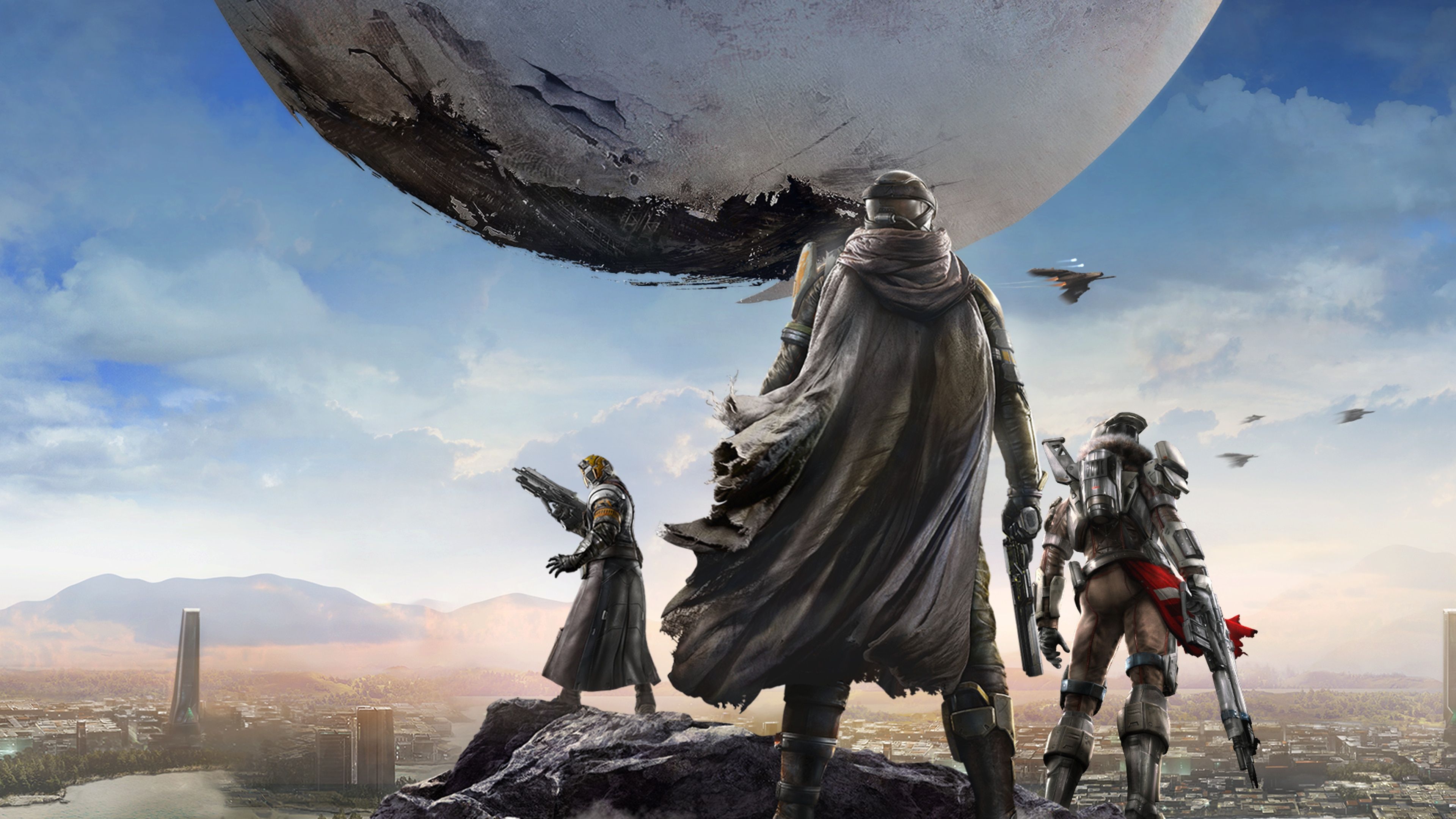
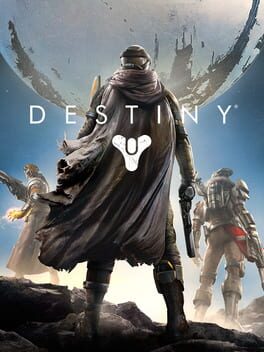
Bungie has emphasized that the universe of Destiny will be "alive". Events may happen in-game that are not necessarily controlled or planned by the developer, which will help to create a dynamic developing experience for Bungie and a dynamic playing experience for gamers. The game's style has been described a first-person shooter that will incorporate massively multiplayer online game (MMO) elements, but Bungie has avoided defining Destiny as a traditional MMO game. Instead, the game has been referred to as a "shared-world shooter," as it lacks many of the characteristics of a traditional MMO game. For instance, rather than players being able to see and interact with all other players in the game or on a particular server—as is the case in many conventional MMO games—Destiny will include on-the-fly matchmaking that will allow players to see and interact only with other players with whom they are "matched" by the game. Destiny will incorporate a new game engine that allows global illuminations and real-time dynamic lighting to occur together. An innovation in Bungie's "hopper" technology, which has been the backbone for Halo's matchmaking system, will allow better player matchmaking in order to create a more natural experience in either cooperative or competitive multiplayer modes.
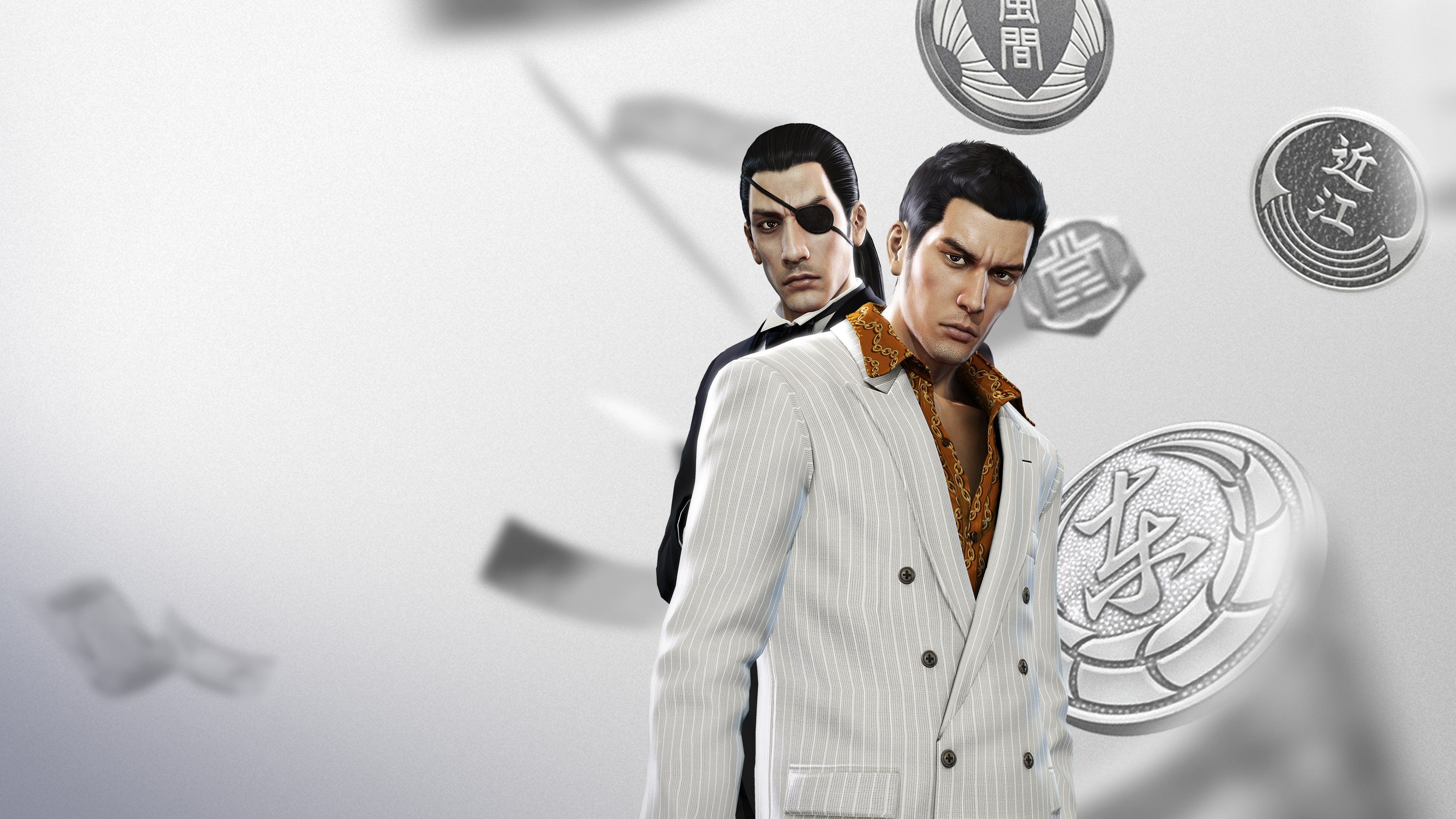
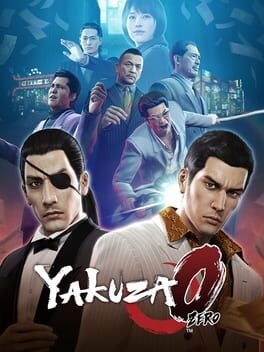
Yakuza 0 is an action-adventure beat 'em up and a prequel to the Yakuza series, set in 1988 Japan during the country's economic bubble era. The game follows two protagonists: Kazuma Kiryu in Tokyo's Kamurocho district and Goro Majima in Osaka's Sotenbori district. Players alternate between their stories as they navigate the criminal underworld, engaging in street fights using multiple switchable combat styles, managing businesses, and participating in a wide variety of side activities and minigames. The game is largely credited with bringing the long-running franchise to mainstream Western attention.
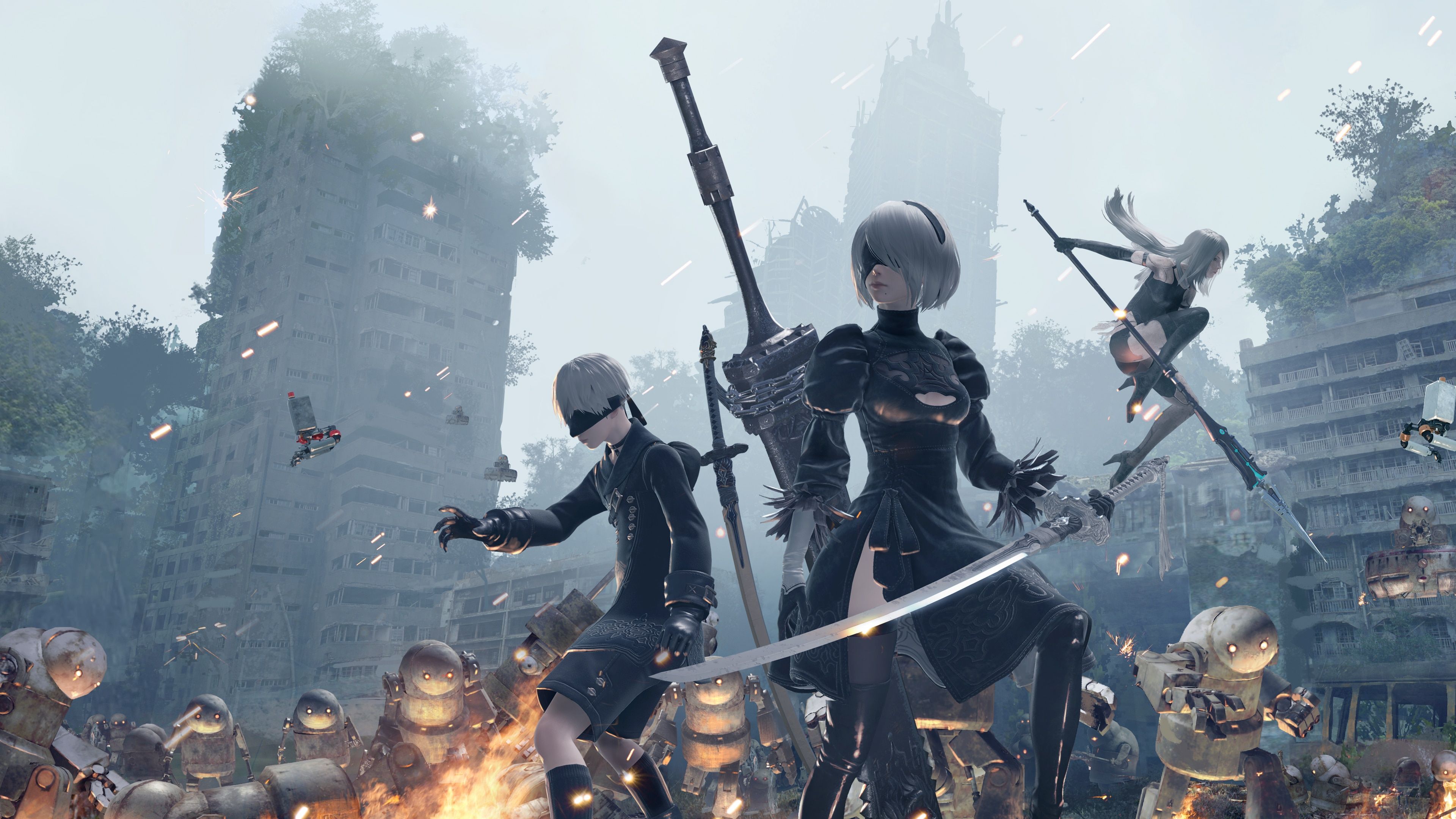
NieR: Automata tells the story of androids 2B, 9S and A2 and their battle to reclaim the machine-driven dystopia overrun by powerful machines.
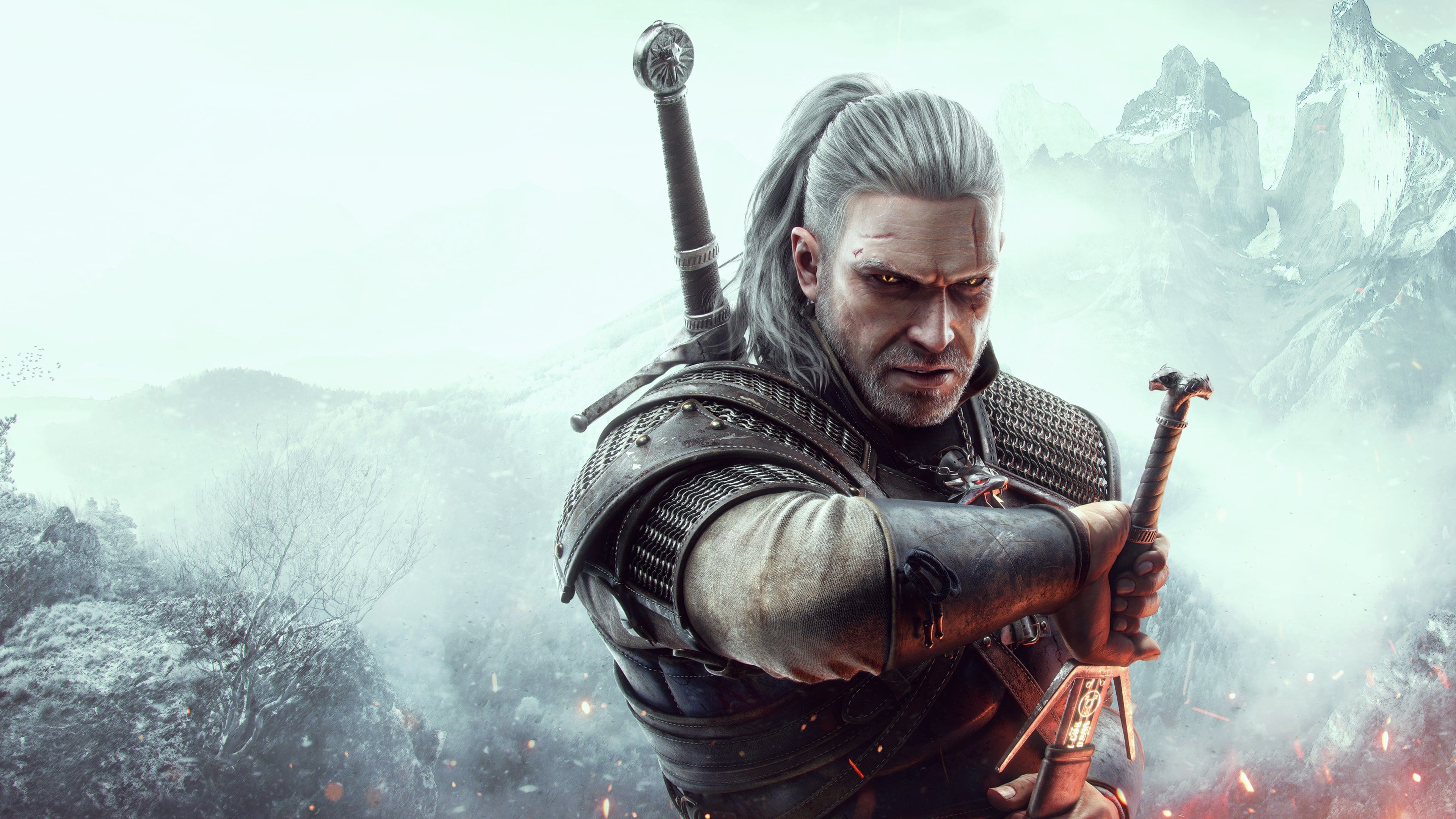
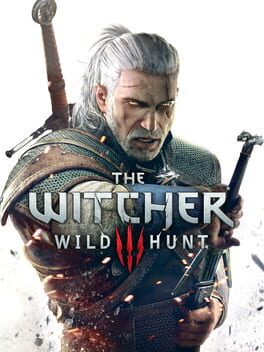
The Witcher 3: Wild Hunt is an open-world action role-playing game developed by CD Projekt Red. Set in a dark fantasy world, the game follows Geralt of Rivia, a monster hunter searching for his adopted daughter, Ciri, while navigating political conflicts and supernatural threats. Gameplay features exploration, combat, character progression, and branching narratives shaped by player choices. Widely acclaimed for its writing, world-building, and depth, it is considered one of the most influential RPGs of its generation.
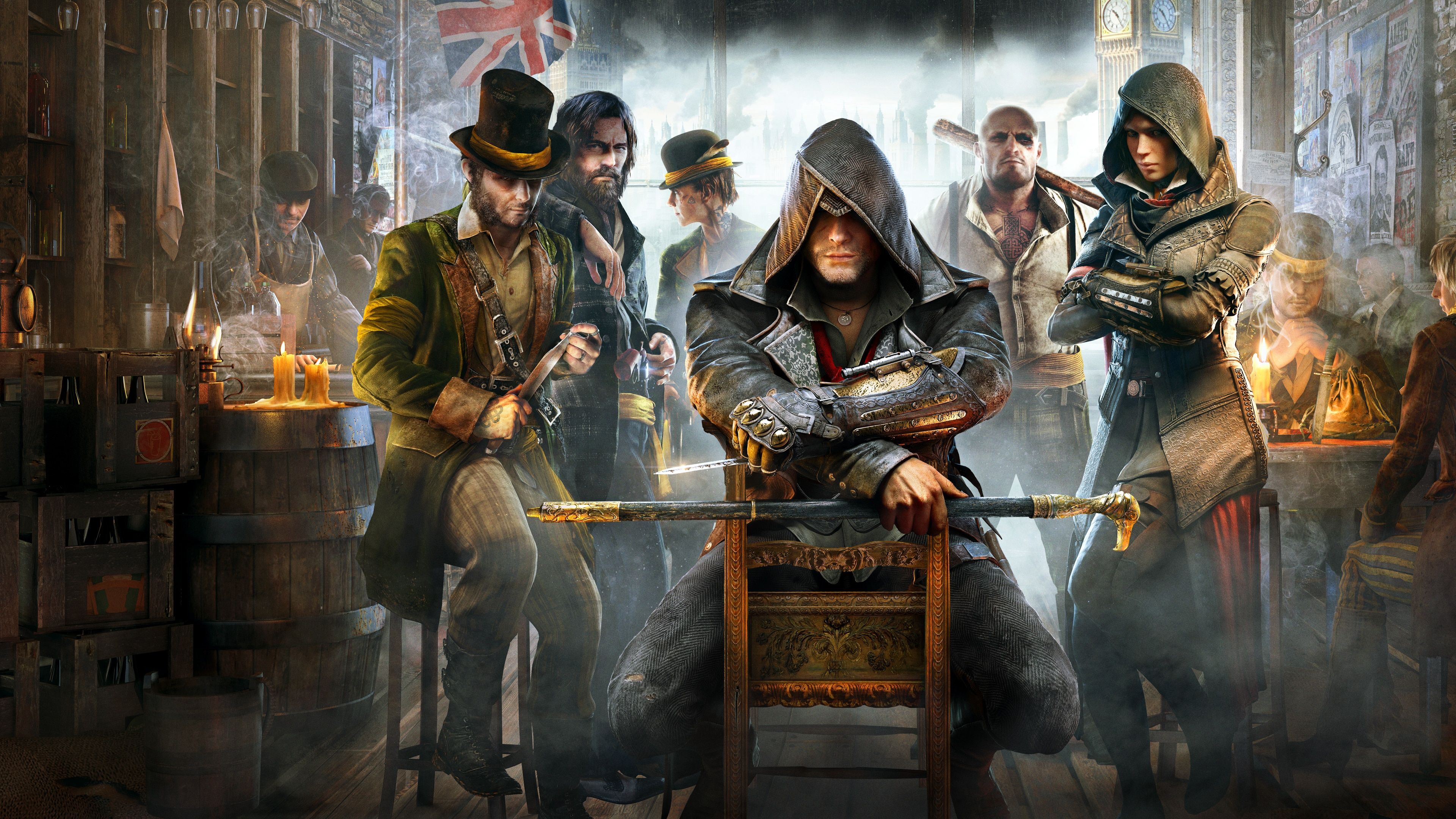
Assassin's Creed Syndicate is a third-person action-adventure stealth game set in London during the Industrial Revolution of 1868. Players control twin Assassins Jacob and Evie Frye, each with distinct abilities: Jacob specializes in brawling and close combat while Evie excels at stealth. Gameplay features open-world exploration of Victorian London using parkour, carriages, a rope launcher, and gang warfare mechanics. The city is divided into boroughs that players liberate from enemy control by completing missions and building their own street gang, the Rooks. Weapons include brass knuckles, revolvers, cane-swords, and kukri knives, all of which can be upgraded.
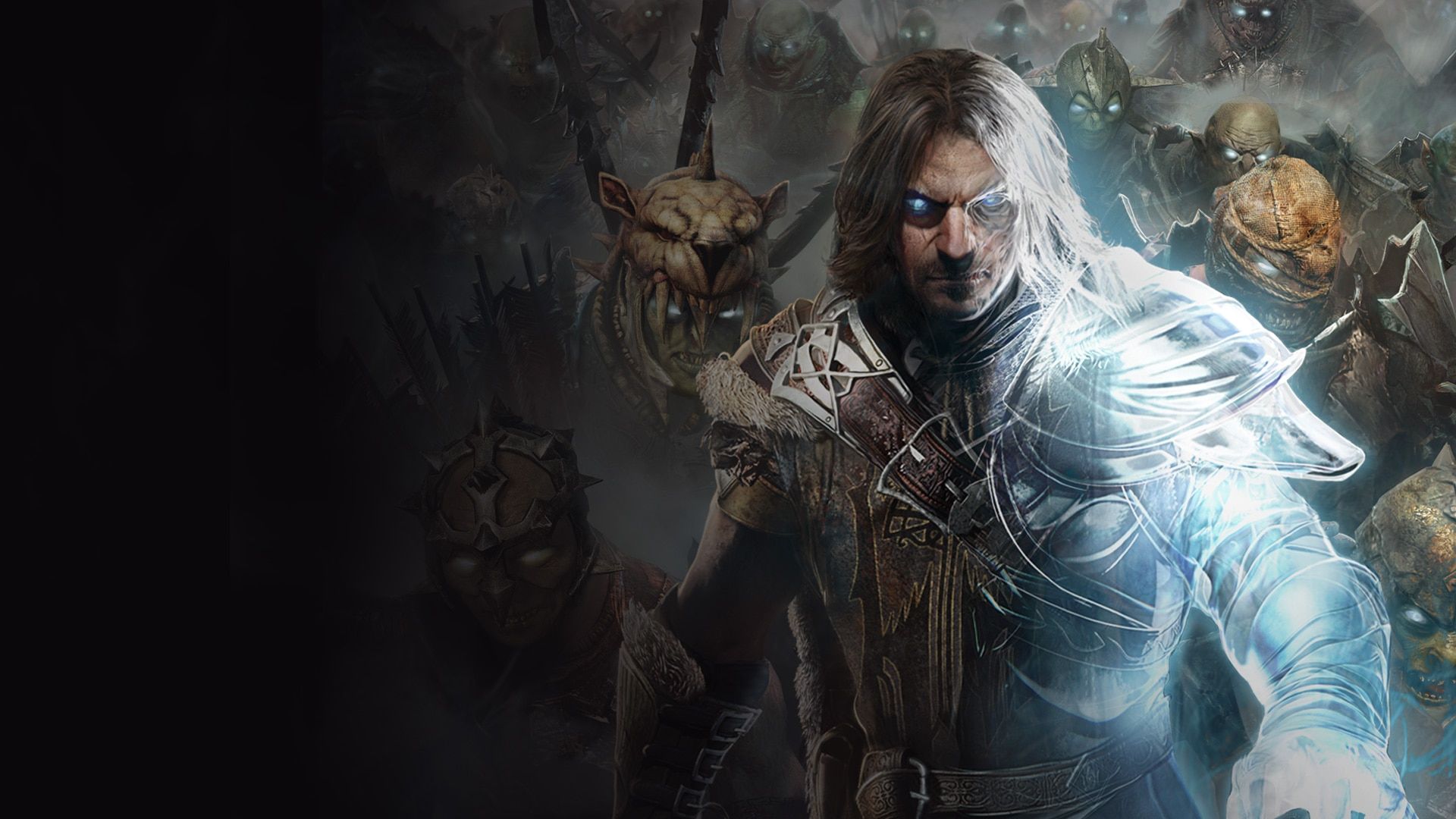

Middle-earth: Shadow of Mordor is a open world third-person action role-playing video game developed by Monolith Productions and published by Warner Bros. Interactive Entertainment, which takes place in the world of J.R.R. Tolkien's Legendarium. The game takes place in the 60-year gap between the events of Tolkien's The Hobbit and The Lord of The Rings. It is a story of revenge, slaughter, and mystery set entirely in Mordor, the Land of Shadows. At its center is Talion, an ordinary man who loses everything, including his mortal life. The game is set in a fully open world, and features various role-playing game elements such as experience points and skills. There are various ways the player can complete their main objective. Aside from the main storyline, there are various side quests and random events the player can complete within Mordor. The melee system is inspired by that of the Batman Arkham series. Getting into a good fighting rhythm, using both regular attacks and counter-attacks will improve the player's combo multiplier. A unique feature of Middle-earth: Shadow of Mordor is the Nemesis system. Every enemy in the game has their own name, rank, and memory. These enemies will continue to do their own jobs and tasks even when they're off screen. If the player does not kill an enemy in an encounter, this enemy will remember the player and change their tactics and conversations based on the encounter.