
More games like Rayman® Origins

players who liked Rayman® Origins also liked:


Persona 5, a turn-based JRPG with visual novel elements, follows a high school student with a criminal record for a crime he didn't commit. Soon he meets several characters who share similar fates to him, and discovers a metaphysical realm which allows him and his friends to channel their pent-up frustrations into becoming a group of vigilantes reveling in aesthetics and rebellion while fighting corruption.


The Western release of Final Fantasy VII (released as Final Fantasy VII International in Japan) included additional elements and alterations, such as streamlining of the menu and Materia system, reducing the health of enemies, new visual cues to help with navigation across the world map, and additional cutscenes relating to Cloud's past.


Diablo III is the third installment in Blizzard's franchise. The game, like its predecessors, is a dungeon crawler in which the player fights against hordes of enemies ranging from beasts and undead to actual demons. The game has four acts, two game modes (normal and hardcore) as well as four difficulty levels: Normal, Nightmare, Hell and Inferno. A new addition to Diablo III is the auction house, where items are exchanged for in-game gold or real money, also usable to purchase Blizzard merchandise. The game features a wide array of achievements earned upon meeting certain requirements.
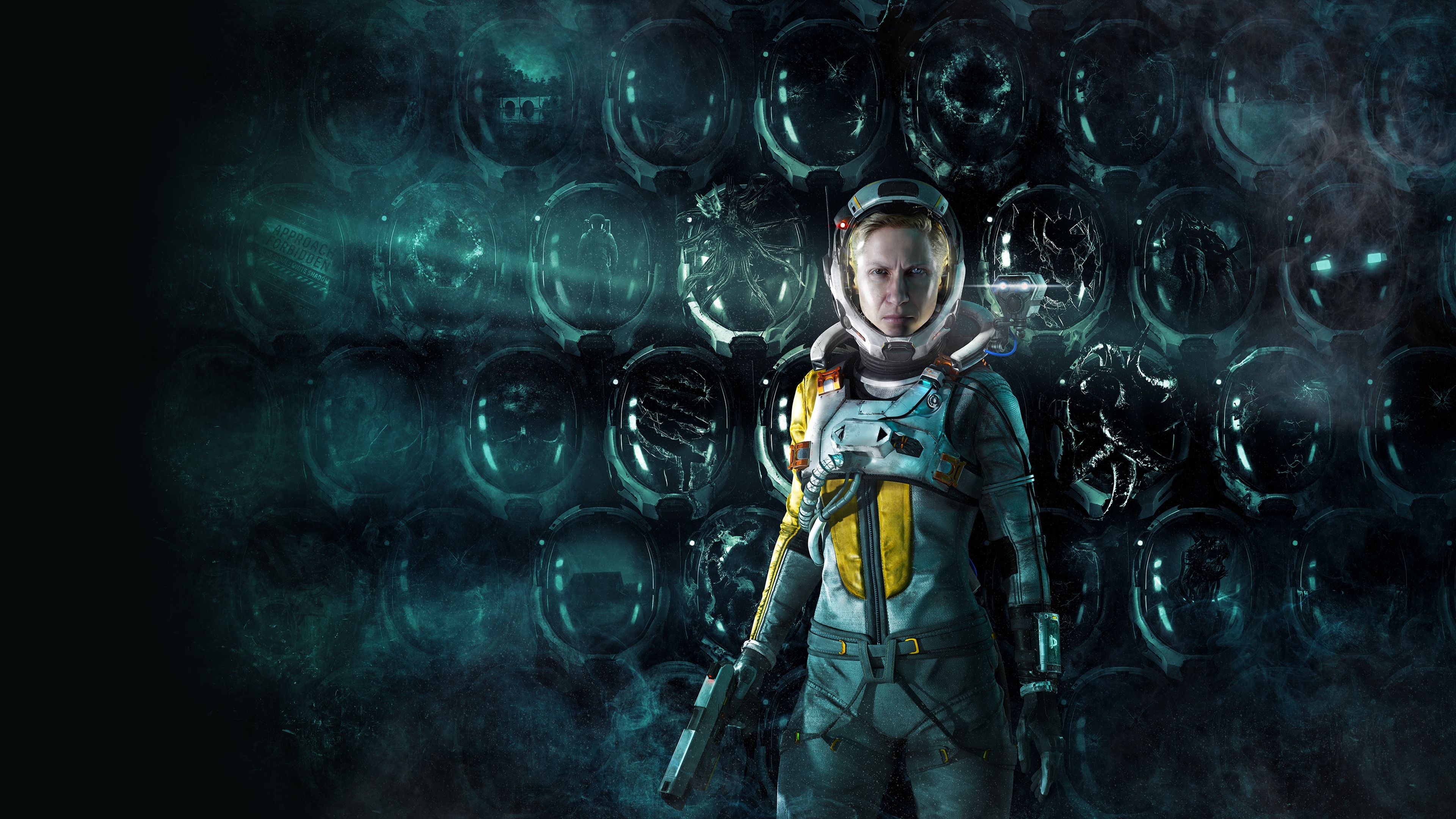

Returnal is a 2021 roguelike third-person shooter video game developed by Housemarque and published by Sony Interactive Entertainment. It follows Selene Vassos, an astronaut who lands on the planet Atropos in search of the mysterious "White Shadow" signal and finds herself trapped in a time loop. After crash-landing on a shape-shifting alien planet, Selene finds herself fighting tooth and nail for survival. Every time she’s defeated, the player is forced to restart the journey.

A single-player action RPG set in a high-fantasy world where warring nations and powerful summoned Eikons shape political intrigue and personal vengeance. Players control Clive, a former shield bearer whose life is upended by tragedy. Engage in fast-paced, tactical real-time combat that blends heavy weapons, Eikon-driven abilities, and cinematic set pieces. Deeply narrative-driven, the game emphasizes character development, expansive locales to explore, and dramatic boss encounters while offering layered combat customization through combos, parries, and skill upgrades.


Metal Gear Solid V: The Phantom Pain is the sequel to Metal Gear Solid V: Ground Zeroes and a prequel to the original Metal Gear. The game has a complex story with long cut-scene sequences, but there are fewer and they are shorter compared to earlier Metal Gear Solid titles. Most of the gameplay mechanics introduced in Ground Zeroes are carried over: it is still an action game and stealth oriented but replaces the linear corridor design from most earlier titles with large open world environments that offer the player unrestricted freedom for the approach. The world has now a real-time day and night cycle and various weather effects that influence enemy behaviour, visibility and sound. Sabotaging or destroying certain structures can also influence other parts of the map.
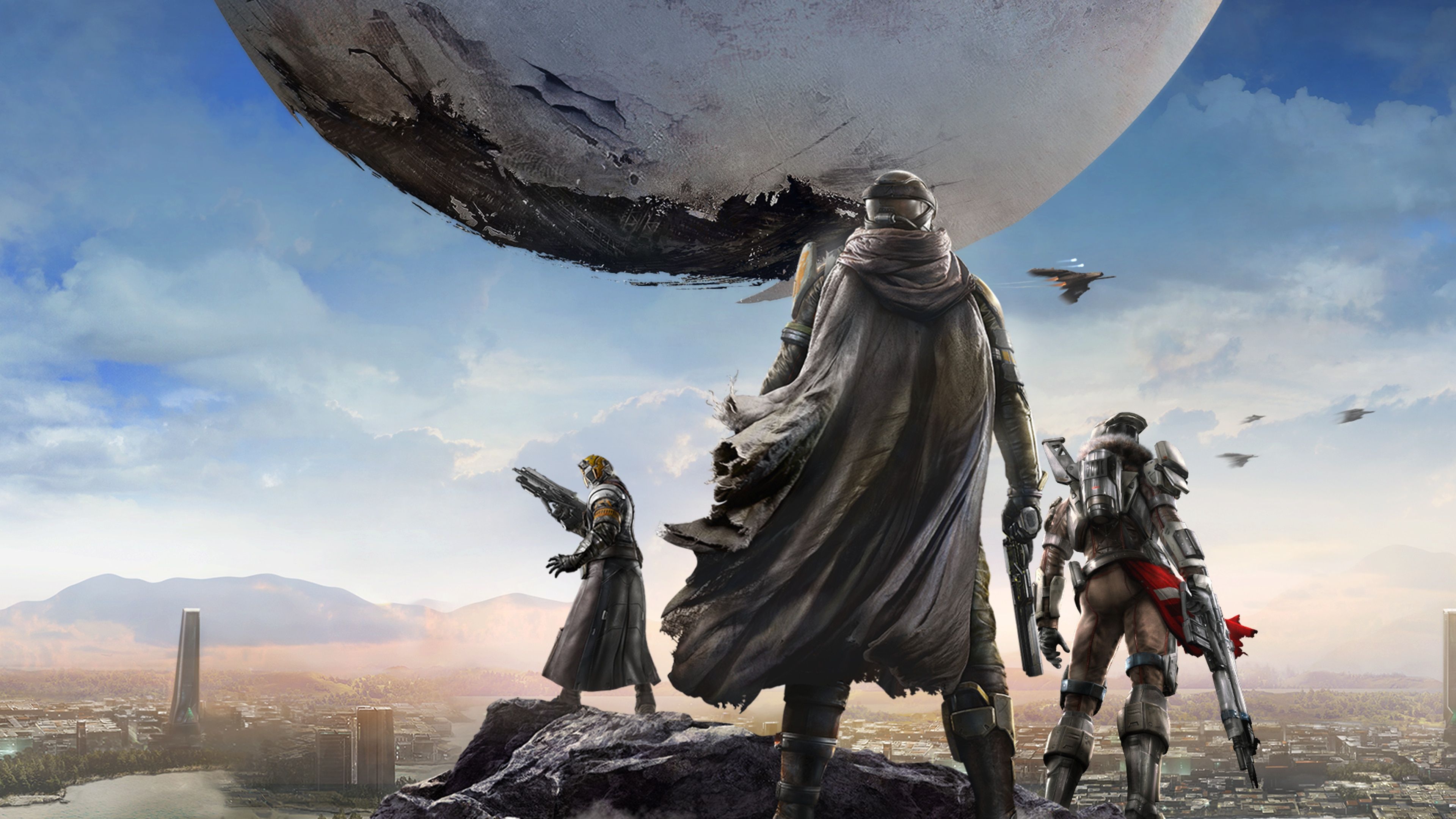

Bungie has emphasized that the universe of Destiny will be "alive". Events may happen in-game that are not necessarily controlled or planned by the developer, which will help to create a dynamic developing experience for Bungie and a dynamic playing experience for gamers. The game's style has been described a first-person shooter that will incorporate massively multiplayer online game (MMO) elements, but Bungie has avoided defining Destiny as a traditional MMO game. Instead, the game has been referred to as a "shared-world shooter," as it lacks many of the characteristics of a traditional MMO game. For instance, rather than players being able to see and interact with all other players in the game or on a particular server—as is the case in many conventional MMO games—Destiny will include on-the-fly matchmaking that will allow players to see and interact only with other players with whom they are "matched" by the game. Destiny will incorporate a new game engine that allows global illuminations and real-time dynamic lighting to occur together. An innovation in Bungie's "hopper" technology, which has been the backbone for Halo's matchmaking system, will allow better player matchmaking in order to create a more natural experience in either cooperative or competitive multiplayer modes.