More games like Pro Wrestling
players who liked Pro Wrestling also liked:
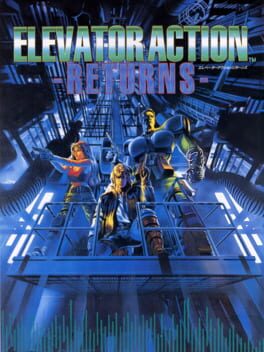
Elevator Action Returns, also known as Elevator Action II, is a 1994 run and gun arcade game developed and published by Taito. It is the sequel to Elevator Action (1983), featuring a much more gritty and realistic setting. Returns retains the elevator-based gimmick from the original, but expands the gameplay system and replaces the spy motif with a new scenario involving a paramilitary team fighting against a terrorist group.
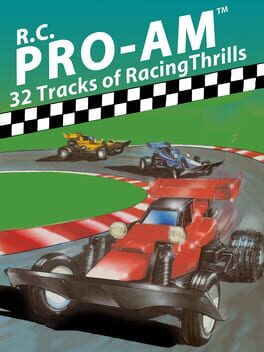
Presented in an overhead isometric perspective, a single player races a radio-controlled car around a series of tracks. The objective of each track is to qualify for the next race by placing in the top three racers. Players collect items to improve performance, and they must avoid a variety of hazards such as rain puddles and oil slicks. It is an example of a racing game which features vehicular combat, in which racers can use missiles and bombs to temporarily disable opposing vehicles. The game distanced itself from earlier racing titles by using an overhead, instead of a first-person, perspective. Reviews have cited it as inspiration for future games such as Super Off Road, Rock n' Roll Racing, and the Mario Kart series. It has appeared in many "top games of all time" lists and is regarded as one of the best titles in the NES library.
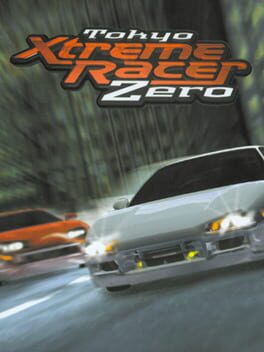
Tokyo Xtreme Racer Zero is a racing game developed by Genki for PlayStation 2. Despite its name, it is set between Tokyo Xtreme Racer 2 and Drift, and has enhanced sound and graphics. The game was released in Japan as Shutokou Battle 0, but was also a release in North America. The game was released in a PAL version in Europe and Australia under the title Tokyo Xtreme Racer (not to be confused with the Dreamcast title of the same name). This is the first game in the series that has been released on a platform other than the Dreamcast. Zero was originally to be released on the Dreamcast but was then canceled and moved to the PlayStation 2. The Tokyo Xtreme Racer series has produced a total of six games, the first four being U.S. localizations of the first four Shutokou Battle series games and the final two being U.S. localizations of the first and third Kaido Battle series games.
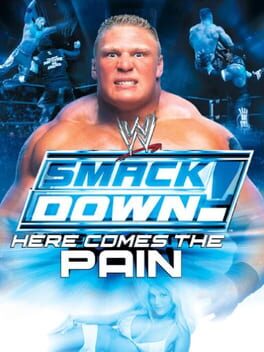
WATCH YOUR BACK Relive the drama like never before in SmackDown! Here Comes The Pain. Create, play and develop your own Superstar through storylines developed exclusively by WWE writers. Track your progress with seasonal stats, earn money to build up Superstar abilities and unlock hidden elements. Featuring enhanced gameplay, new match types and better production values. The most electrifying brand in sports entertainment will ignite the Playstation 2 this holiday season. SEASON MODE Featuring comprehensive statistics, dynamic storylines and Superstar attribute building LEGENDS Sgt. Slaughter, The Million-Dollar Man, Jimmy Snuka and more ENHANCED GRAPPLING SYSTEM MATCH TYPES New match types including Bra-&-Panty and the Elimination Chamber
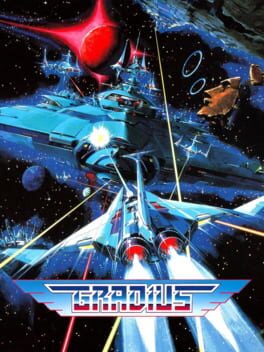
One of the defining characteristics of the Gradius series is the use of a "power meter." The power meter is powered by a power-up item, whose purpose, when collected, is to move a highlight to the next power-up on the power meter. When a power-up that the player wants becomes highlighted, he or she may activate it, also causing the highlight to reset.
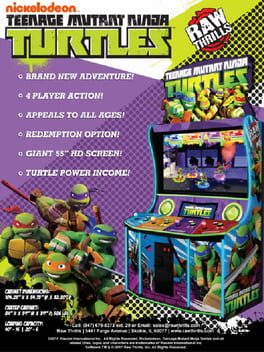
Teenage Mutant Ninja Turtles is a 2017 arcade brawler developed by Raw Thrills. The game's content is primarily centered around the 2012 TV series, and supports up to four players. The title is heavily inspired by the TMNT: Turtles in Time release from 1991.
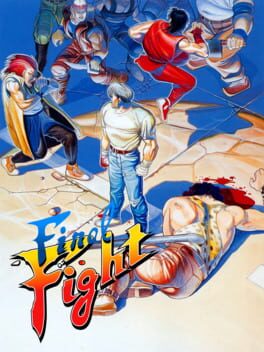
Final Fight is a side-scrolling beat-'em-up produced by Capcom. Final Fight can be played by up to two players simultaneously. Before the game begins, the player chooses between the three main characters: Haggar, Cody, and Guy. Each has his own fighting style and attributes. Health gauges are displayed for both player and enemy characters. The controls for Final Fight consist of an eight-way joystick and two buttons for attacking and jumping respectively. Pressing the attack button repeatedly when attacking an enemy or multiple enemies will cause the player character to perform a combo. The final blow of the combo can be changed to a throw if the player moves the joystick in the opposite direction just before landing it. The player can also perform a jump attack. Pressing the attack and jump buttons simultaneously allows the player to perform a special attack that strikes all surrounding enemies, but will drain a small portion of the player's health. Enemies can be grabbed simply by walking into one of them. When an enemy is grabbed, the player can perform a grab attack by pressing the attack button or perform a throw by tilting the joystick left or right. A thrown enemy can be tossed at another for additional damage. Items such as weapons, health recovery items, and items awarding extra points can be picked up by standing over one and pressing the attack button. Weapons have limited uses and will disappear if the player is disarmed by an enemy too much or when the player moves to a new area. Final Fight consists of six stages or "rounds", as well as two bonus rounds. Each round takes place in a different section of Metro City such as the Slums and the Subway, with most rounds featuring more than one level. At the end of each round the player will face a boss character unique to that round.
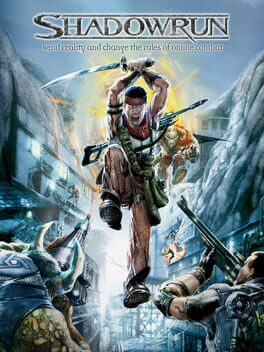
Shadowrun is a first-person shooter introducing mild cyberpunk elements to the gameplay. The game takes place in Brazil in the year 2031: before the events that shaped the Shadowrun universe. The player chooses between two factions to play as: The megacorp RNA Global, and the resistance group known as The Lineage. Playable races are Human, Elf, Troll, and Dwarf. Each race has their own unique racial traits.