More games like N.E.R.O.
players who liked N.E.R.O. also liked:
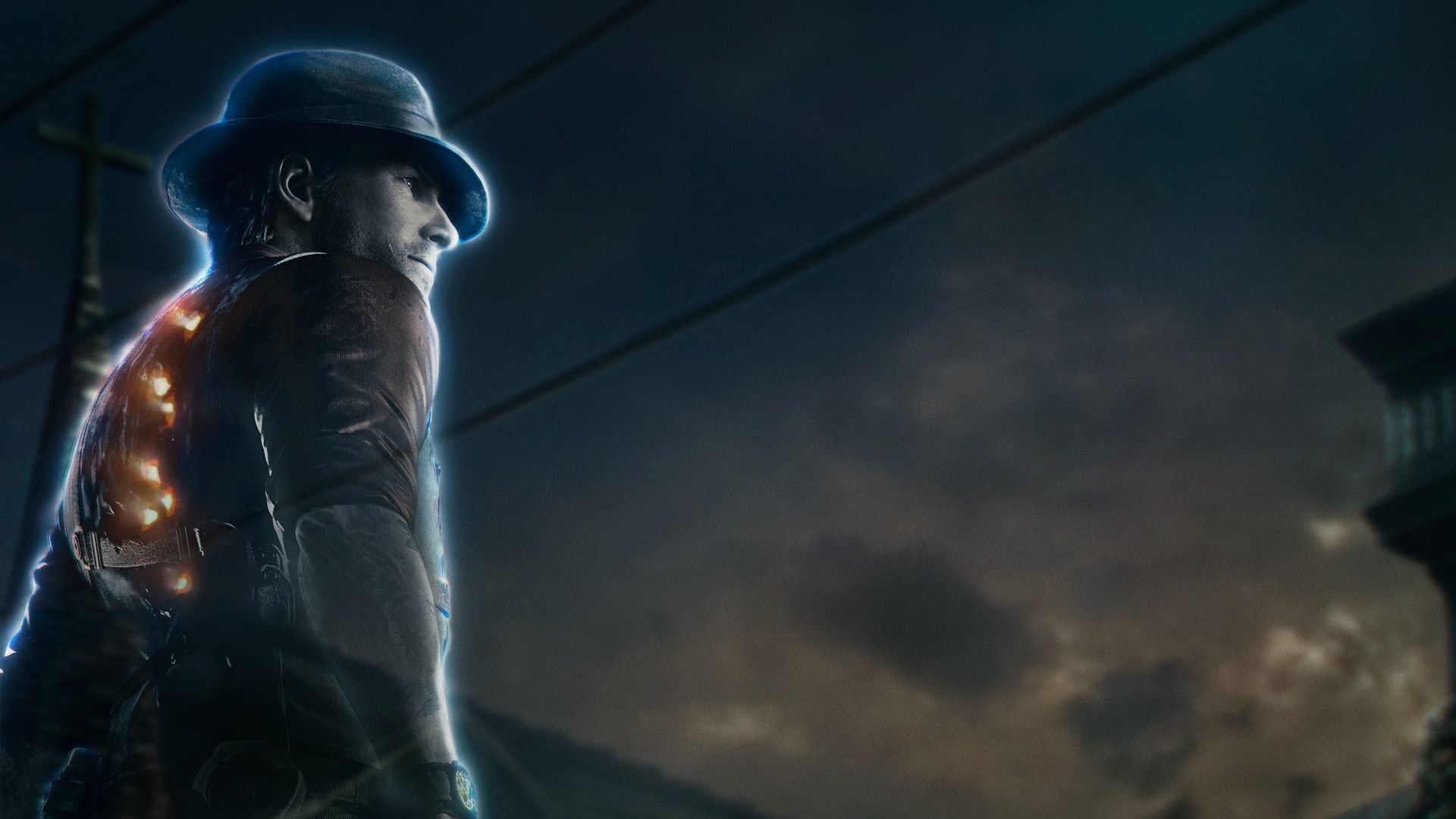
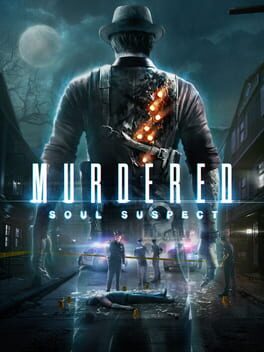
Murdered: Soul Suspect is a supernatural detective thriller which challenges players to solve possibly the hardest case of all… their own murder. Set in Salem Massachusetts, players have the freedom to explore the New England-style wooden houses, narrow streets, Gothic churches and historical landmarks for clues. They will need to battle demonic spirits to preserve their souls whilst uncovering the shocking revelations about who is responsible for their death.
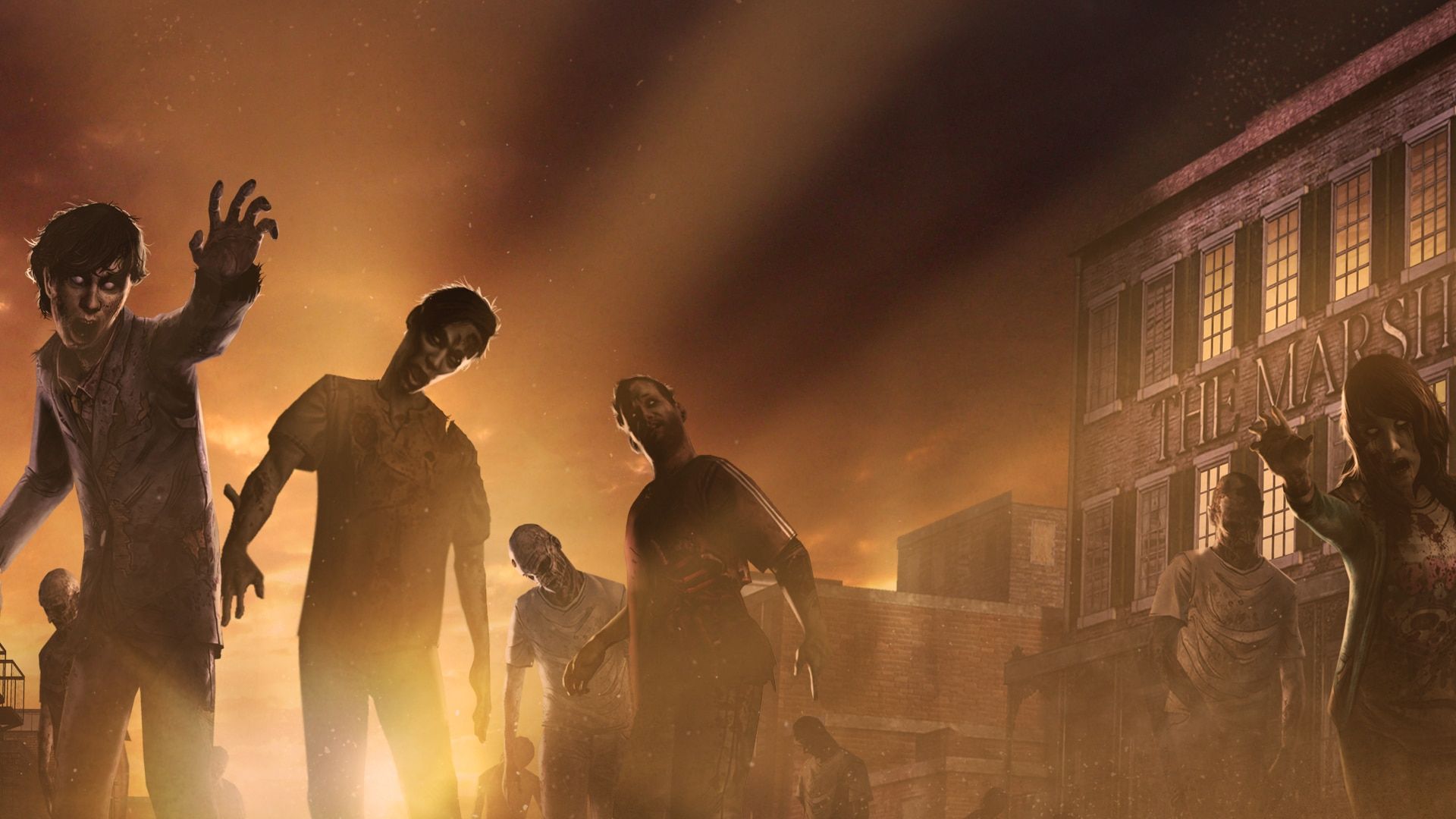
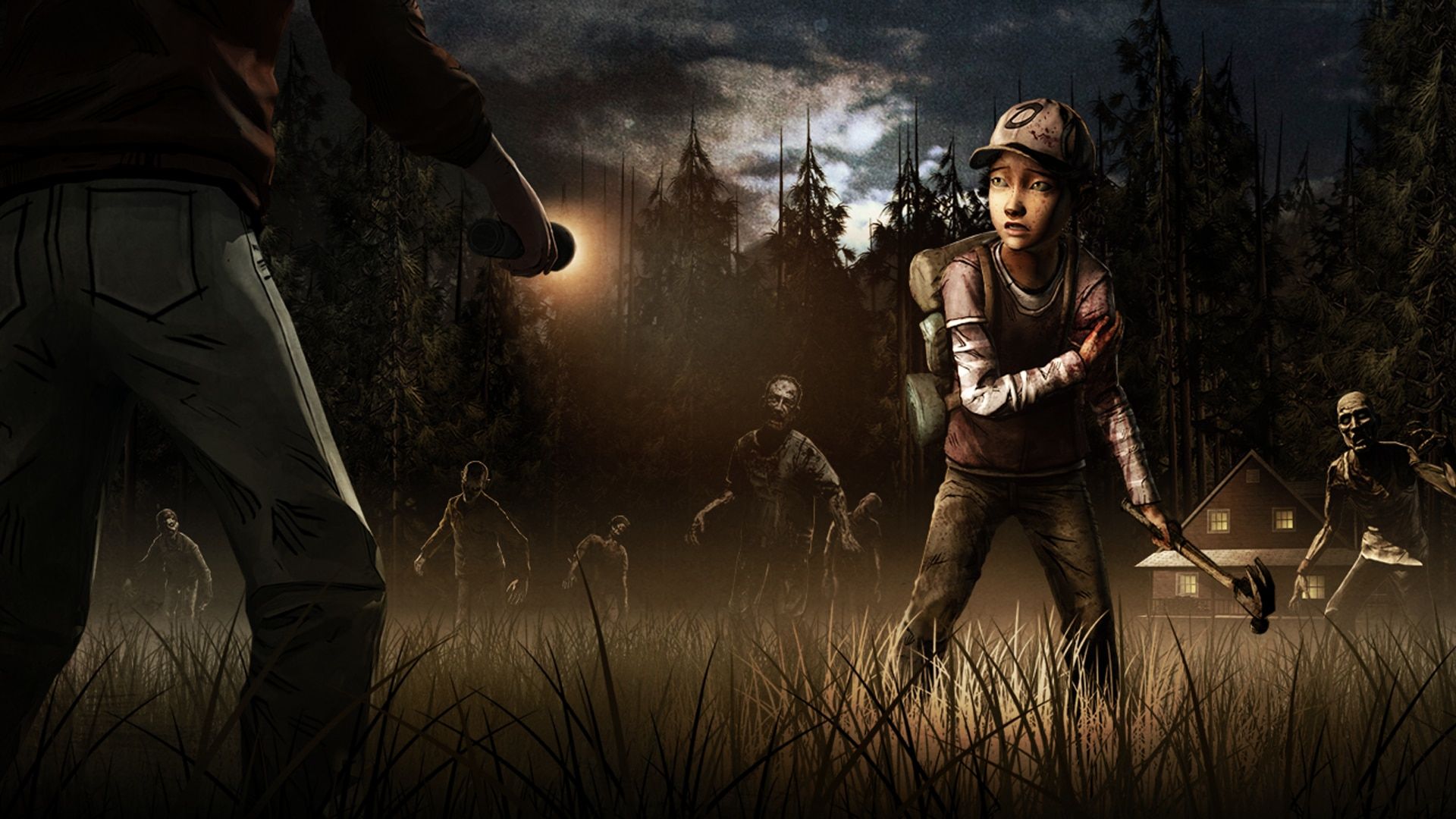
The Walking Dead: Season One (also known as The Walking Dead: The Game) is an episodic interactive drama graphic adventure video game developed and published by Telltale Games. Based on Robert Kirkman's The Walking Dead comic book series, the game consists of five episodes, released between April and November 2012. It is available for Android, iOS, Kindle Fire HDX, Microsoft Windows, Mac OS X, PlayStation 3, PlayStation Vita, Xbox 360, PlayStation 4 and Xbox One. The game is the first of The Walking Dead video game series published by Telltale.
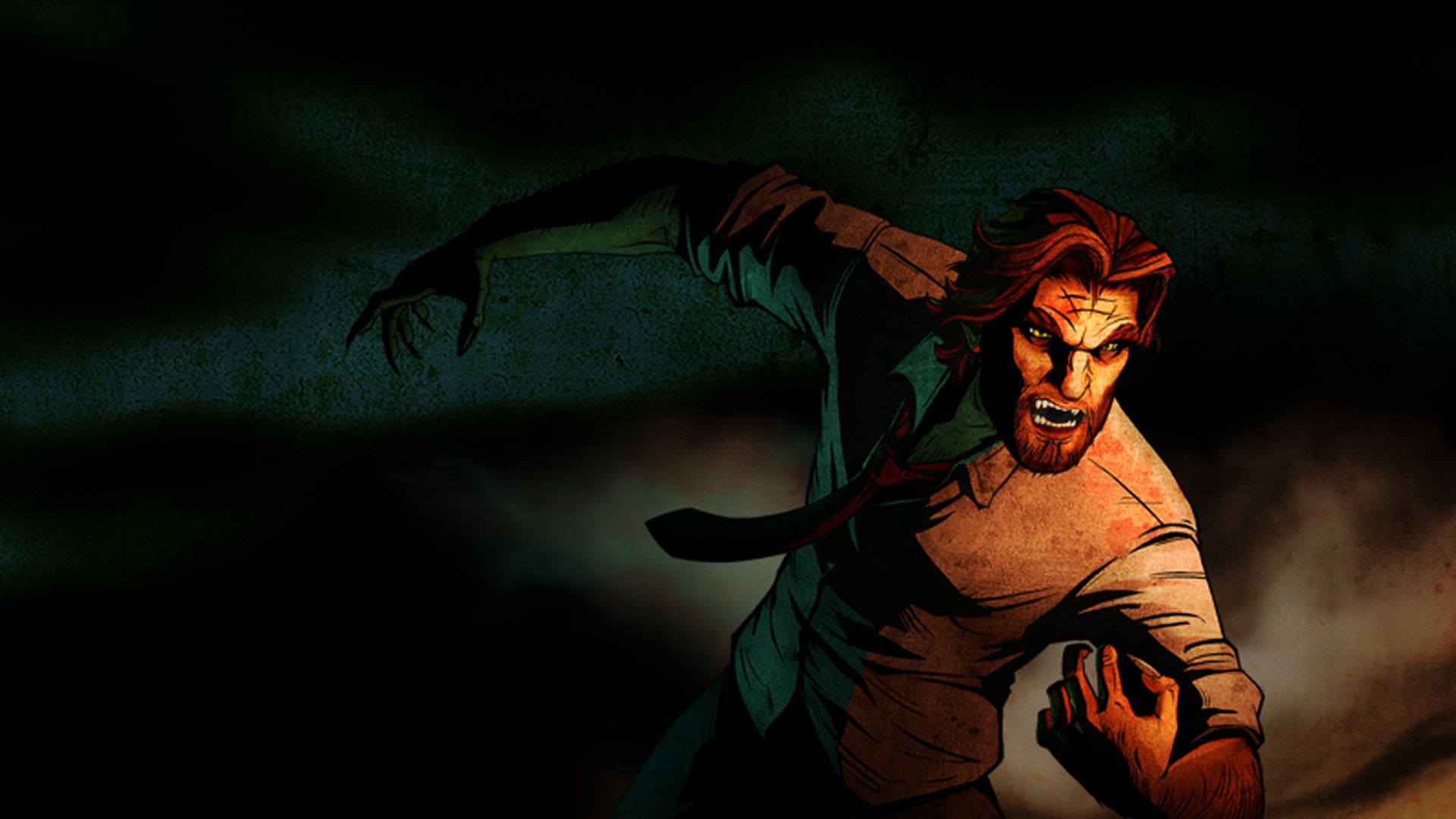
The Wolf Among Us is a five-episode series from the creators of the 2012 Game of the Year: The Walking Dead. Based on Fables (DC Comics/Vertigo), an award-winning comic book series, it is an often violent, mature and hard-boiled thriller where the characters and creatures of myth, lore and legend are real and exist in our world. As Bigby Wolf - The Big Bad Wolf in human form - you will discover that the brutal, bloody murder of a Fable is just a taste of things to come, in a game series where your every decision can have enormous consequences.
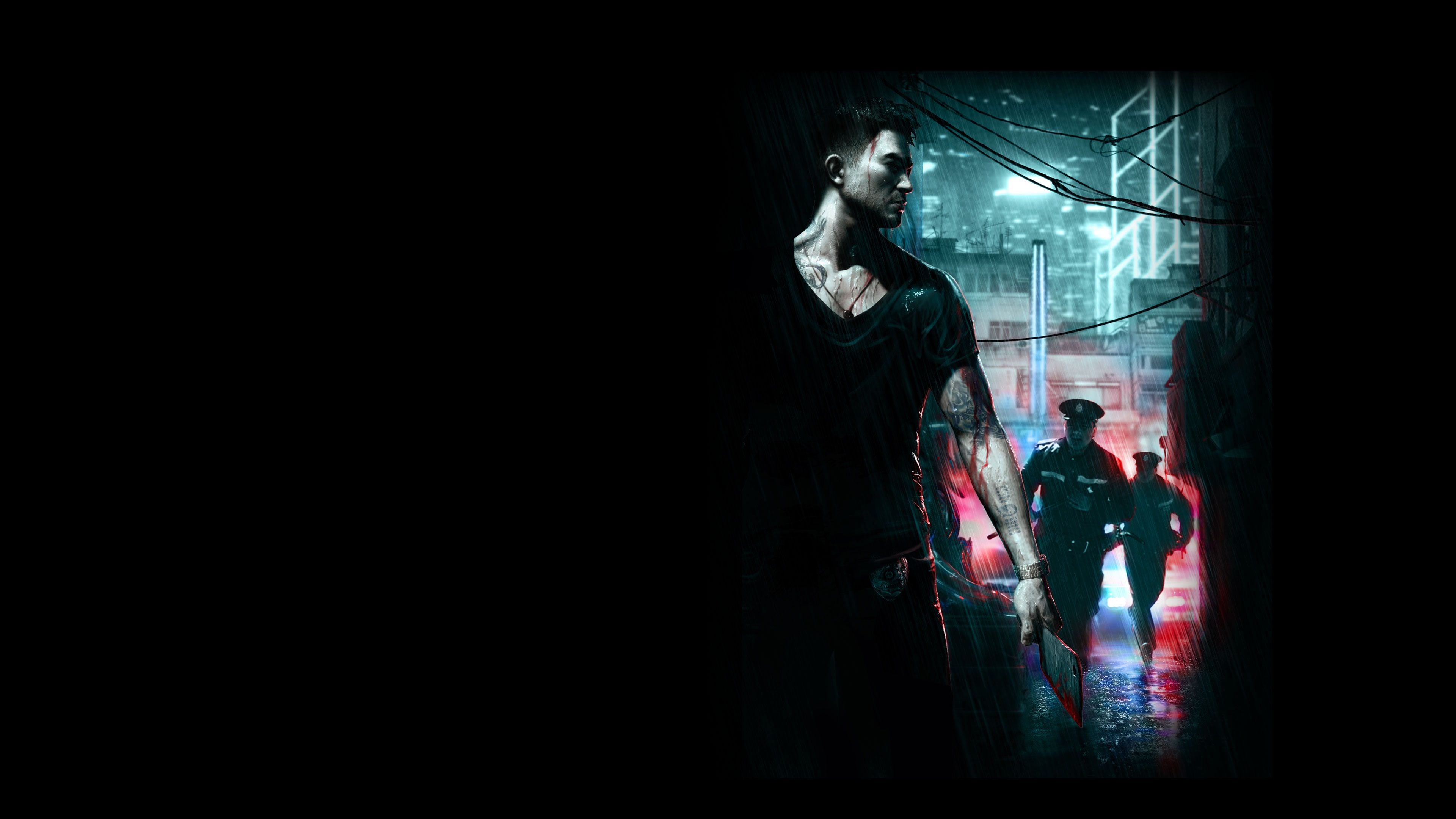

Sleeping Dogs is a third-person open-world action-adventure game set in contemporary Hong Kong. Players control Wei Shen, an undercover police officer who infiltrates a Triad organization called the Sun On Yee. Gameplay emphasizes melee combat using martial arts moves, grapples, and environmental attacks over gunplay, alongside driving, parkour, and open-world exploration. The game features a triple experience system split between Triad, Police, and Face progression paths, each unlocking different abilities and rewards.
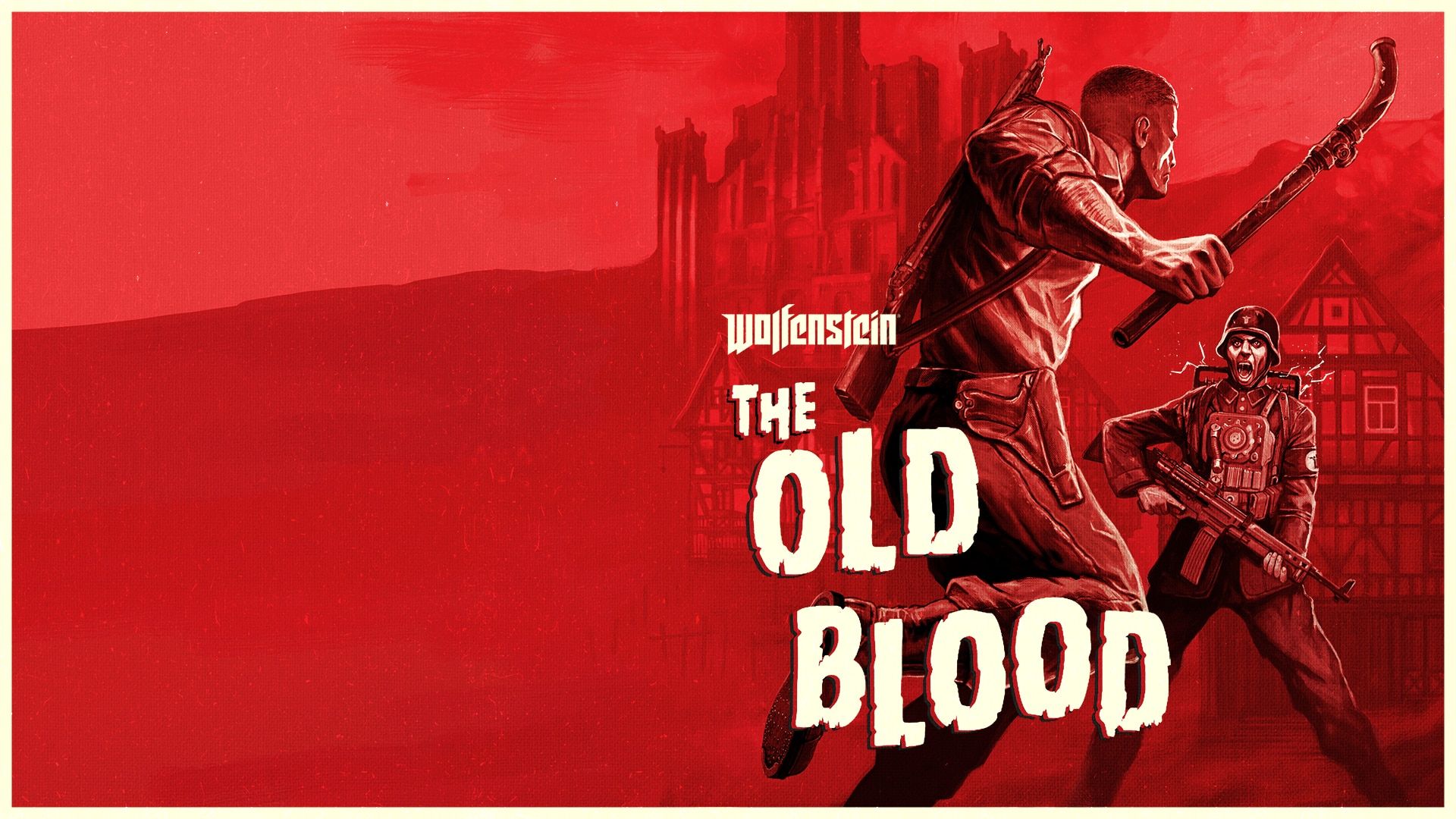
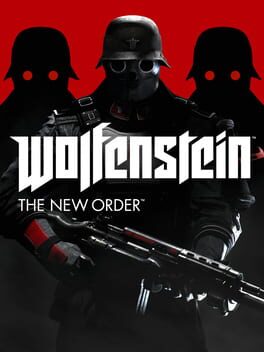
Wolfenstein: The New Order is an action-adventure shooter game played from a first-person perspective. It is the semi-sequel to 2009's Wolfenstein, however utilizes very little from the game and drops any direct references to veil or supernatural. To progress through the story, the player battle enemies throughout levels. The game utilizes a health system in which players' health is divided into separate sections that regenerate; if an entire section is lost, the player must use a health pack to replenish the missing health. In combat, a cover system can be used as assistance against enemies. The player have the ability to lean around, over, and under cover, which can be used as a tactical advantage during shootouts and stealth levels. The game gives the player a wide variety of weapon options—they can be found on the ground, retrieved from dead enemies, or removed from their stationary position and carried around.
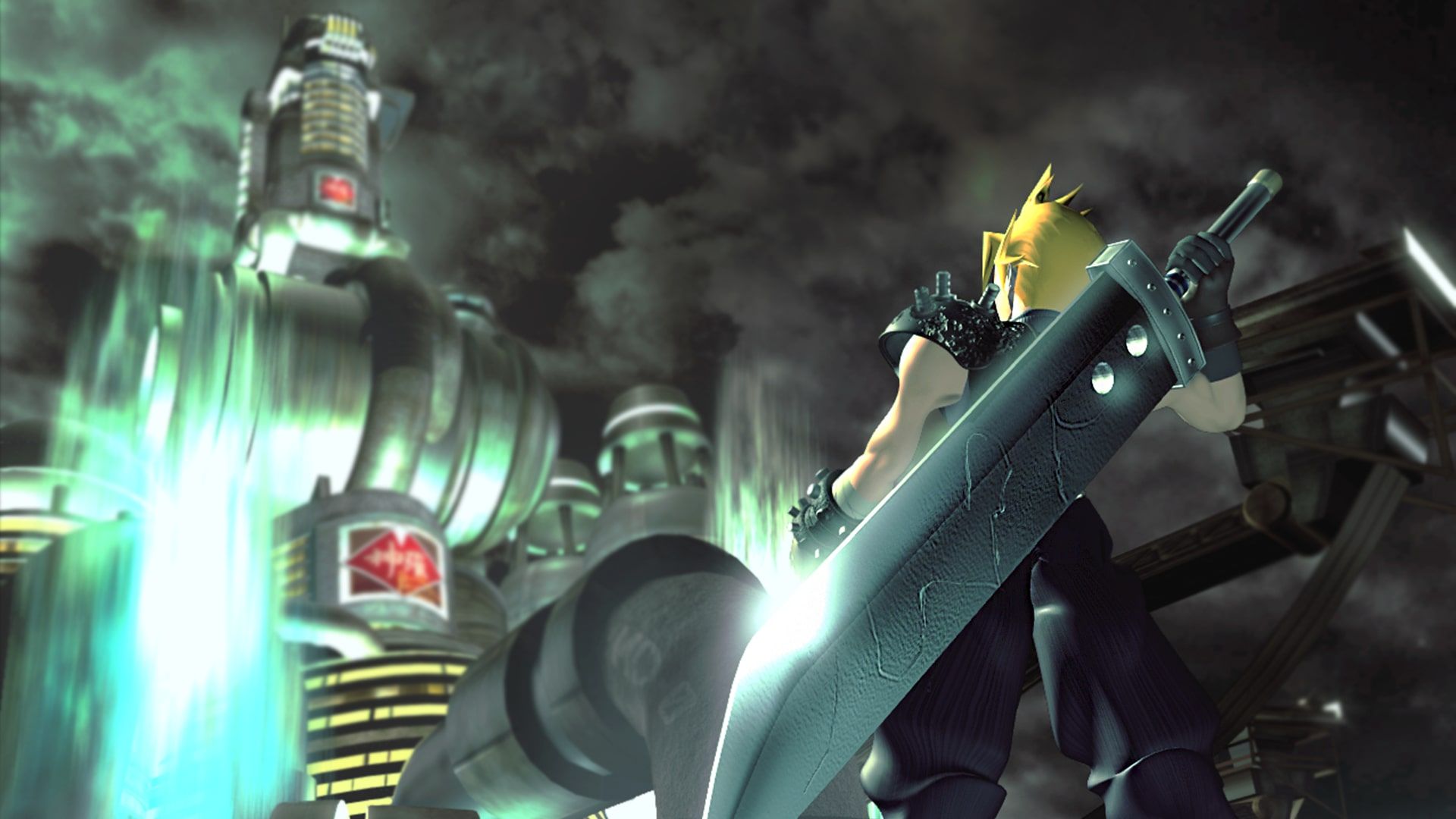
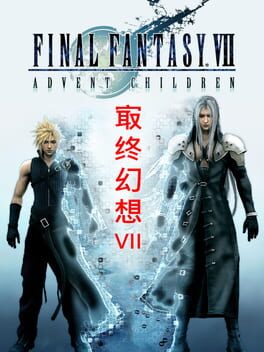
Final Fantasy VII is an unlicensed "Shanzhai" demake of SquareSoft role-playing game of the same name, originally released for PlayStation in 1997. This two-dimensional "port" was developed and published by Chinese company Shenzhen Nanjing Technology for Subor, a Nintendo's Family Computer clone console series (internationally known as the NES). The cartridge itself is unique, as it is structurally different from licensed Famicom cartridges in terms of hardware and programming.
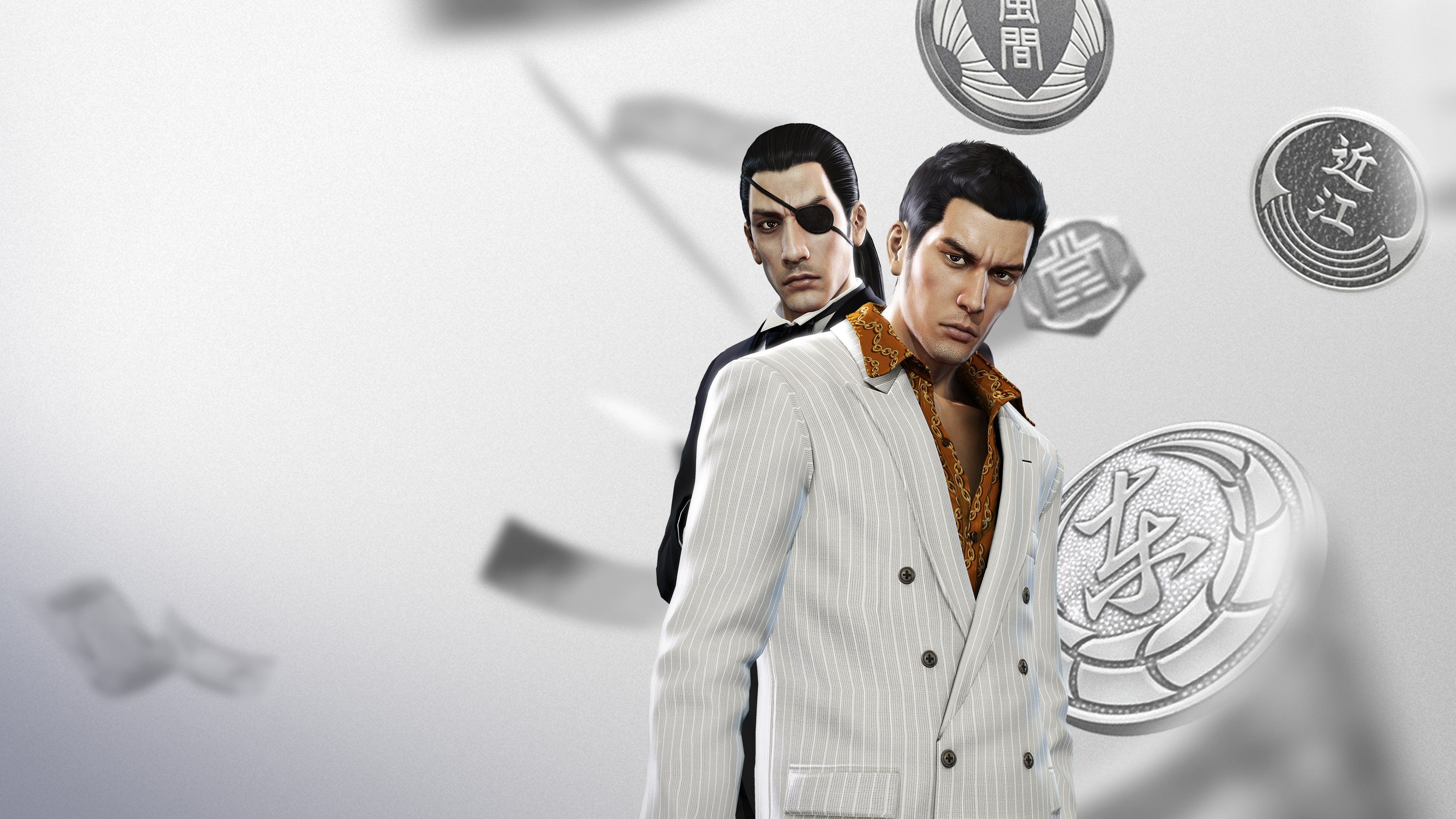
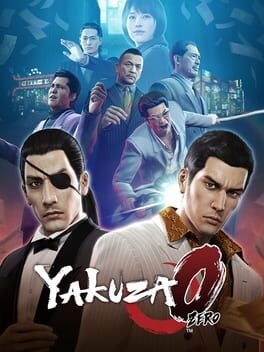
Yakuza 0 is an action-adventure beat 'em up and a prequel to the Yakuza series, set in 1988 Japan during the country's economic bubble era. The game follows two protagonists: Kazuma Kiryu in Tokyo's Kamurocho district and Goro Majima in Osaka's Sotenbori district. Players alternate between their stories as they navigate the criminal underworld, engaging in street fights using multiple switchable combat styles, managing businesses, and participating in a wide variety of side activities and minigames. The game is largely credited with bringing the long-running franchise to mainstream Western attention.