
More games like Metal Gear Solid: Integral

players who liked Metal Gear Solid: Integral also liked:
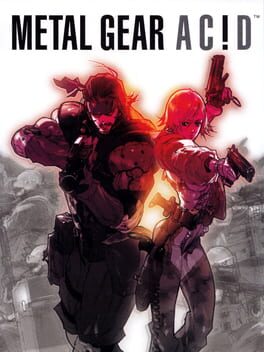
Metal Gear Acid is a turn-based collectable card game. It was the first game in the Metal Gear series for the PSP. A Java ME version for mobile phones was released by Glu Mobile in 2008 titled Metal Gear Acid Mobile. Acid focuses on turn-based tactics, using a trading card-based system to control the main character's movements and actions. Acid in the name stands for "Active Command Intelligence Duel". The cards are not truly collectable, as the game is complete with a single purchase. However, the game does feature deck design and deck optimization elements. The game allows for multiplayer gameplay by wireless ad-hoc connections of two PSPs. Before each round, the player can customize the deck of cards used by the main characters. Most cards are based on elements spanning the entire Metal Gear series, such as weaponry, characters, and even the Metal Gear itself. When the game is started, the player's hand can consist of a maximum of six cards. The maximum number of cards in a deck increases with overall progress. In action mode, the player can choose to use the cards as intended or use them to move the character. Most cards only allow the player to move three spaces, while certain cards let the player move up to six or higher. Cost is an important factor in gameplay and can be summed up as the weight of the player's action. With some exceptions, all cards have a cost attached to them and when used this cost transfers to the player. Cost varies radically from card to card. The higher the cost a character has, the longer that character must wait until their next turn. For example: if a player character has a cost of 15 and a guard has a cost of 10, then the guard's turn would occur before the character's. Some cards can be equipped; cards such as weapon cards, can have other cards attached to them in order to improve performance. In order to fire the weapon, another weapon card that uses the same kind of ammunition must be equipped. Some weapons don't need to be equipped and can be used by themselves, however, they are discarded afterwards. Other cards that can be equipped include equipment cards and action cards. Multiplayer, or "Link Battle", is also a new feature. Two PSP systems running Acid can link wirelessly, allowing players to face each other in a "sneak-off". The objective is to collect several diskettes before the rival player. Diskettes can be stolen by another player, so there is an emphasis on avoiding detection.

When Gex is watching TV one day, he discovers that Rez has kidnapped Agent Xtra (the agent from Gex: Enter the Gecko's backstory), head of the TV Terrorist Defense Unit, to get to him. He teleports to the batcave-like lair he has in the Media Dimension, and begins another adventure. Each level parodies a certain aspect of television culture (here the levels exist as stand-alone channels). Gex enters each level through a television set. He must collect remote controls to advance to the next level in order to complete his mission and rescue Xtra.
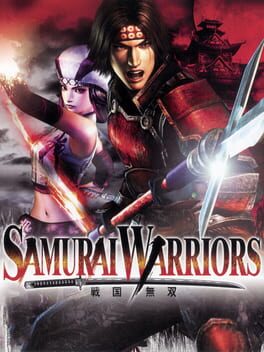
Samurai Warriors is the first title in the series of hack and slash video games created by Koei's Omega Force team based loosely around the Sengoku ("Warring States") period of Japanese history and it is a sister series of the Dynasty Warriors series. In the basic gameplay of Samurai Warriors, the player takes the role of a single officer in battle and must fend off hordes of enemy soldiers and defeat the enemy commander. The player has at their disposal a range of combo attacks and crowd-clearing special moves known as Musou attacks. The variety of attacks available increase as the character levels up and acquires more superior weapons. The game features a total of 15 characters based on historical figures during the Warring States period of Japan.
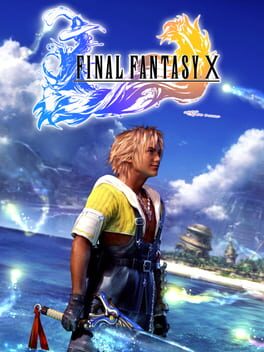
Final Fantasy X is the tenth main installment in the FF series and the first title released on sixth-generation consoles. It was also the first game to feature fully three-dimensional areas rather than including pre-rendered backdrops, and the first to include voice acting. Final Fantasy X tells the story of a star blitzball player, Tidus, who journeys with a young and beautiful summoner named Yuna on her quest to save the world of Spira from an endless cycle of destruction wrought by the colossal menace Sin.
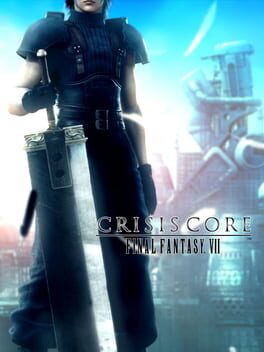
In CRISIS CORE, players can experience the D.M.W (Digital Mind Wave) system, which enhances the real-time battle system, allowing players to unleash special attacks or call upon various FINAL FANTASY summons. Players can also witness graphics and CG cutscenes coupled with voice acting in a 16:9 widescreen presentation, made possible by the PSP system hardware.
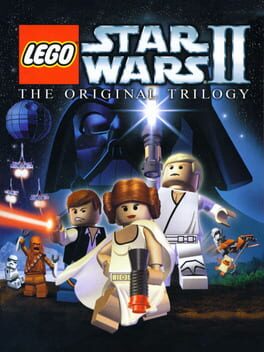
LEGO Star Wars II: The Original Trilogy takes the fun and endless customization of LEGO and combines it with the epic story, characters and action from the original Star Wars movies that revolutionized pop culture forever (Episode IV A New Hope, Episode V The Empire Strikes Back and Episode VI Return of the Jedi). With a unique tongue-in-cheek take on the Original Trilogy, LEGO Star Wars II follows the Rebel Alliances crusade to dismantle the Galactic Empire and rebuild a galaxy in pieces. Build and battle your way through your favorite film moments, from Darth Vaders pursuit of Princess Leia aboard her Blockade Runner to a showdown on the second Death Star, as the game includes even more of the family-friendly LEGO action, puzzles and humor that earned the original LEGO Star Wars such popularity and acclaim. And much more new to offer, it still has. For the first time ever, characters can get in and out of vehicles, as well as ride creatures. You can also mix and match the body parts of more than 50 playable characters to create one of millions of possible LEGO Star Wars heroes.

Pokemon Silver is a role-playing game played from a top-down perspective, in which the player explores the world, catches wild creatures called Pokemon, and trains them through turn-based battles. Set in the Johto region, it continues the core loop of building a team, earning Gym Badges, and completing the Pokedex by capturing, evolving, and trading creatures. This entry introduced 100 new Pokemon along with additions such as a real-time internal clock that affects certain events, Pokemon breeding, held items, and two new creature types. It supports linking with other games in the series to trade and battle.
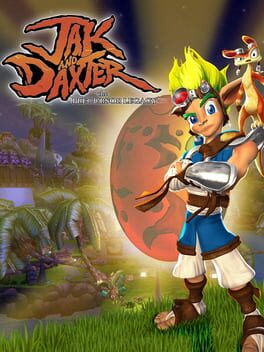
Jak and Daxter: The Precursor Legacy is a 2001 platform video game developed by Naughty Dog and published by Sony Computer Entertainment for the Sony PlayStation 2 on December 4, 2001, as the first game of the Jak and Daxter series. The game follows the protagonist, a young teenager named Jak, as he tries to help his friend Daxter after he is transformed into an "ottsel", a fictional hybrid of an otter and a weasel. The game offers a large range of missions, collectables and objectives, often in the form of minigames, which provide a variety of gameplay experiences, as well as puzzles and platforming stages, which are completed by the player to proceed with the story.