
More games like Lunar Legend
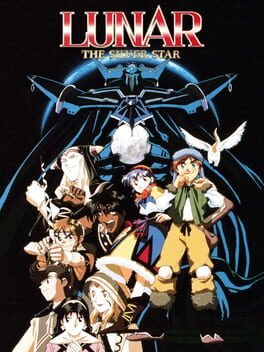
players who liked Lunar Legend also liked:

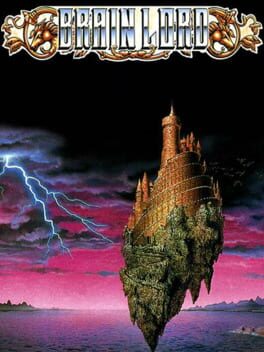
ARE YOU THE BRAIN LORD? Beyond your memory lies a time filled with Dragons and men riding the skies together. The Dragon Warrior blood flows deeply through your family. Now. you are the only one left. Your father has spent a life time searching for the Ancient Dragons, a life lived in vain. It is up to you to find the Dragons. Before you lies a world filled with puzzles and riddles, enough to drive even the most 'rational insane. There are too many unanswered questions in your mind. What lies ahead? Where do I start? What will I find? There is a Dark Presence that awaits you. Can you unlock the secret? Are you strong enough to survive? ARE YOU A BRAIN LORD? We shall see...
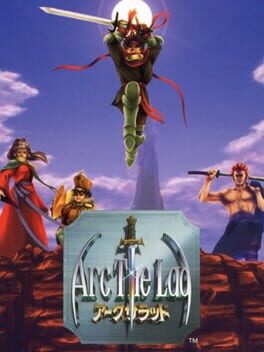
Arc the Lad is a tactical role-playing video game developed by G-Craft for the PlayStation and is the first game in the Arc the Lad series. It was released in 1995 in Japan, and released in North America on April 18, 2002, as part of Arc the Lad Collection. The Japanese released was published by SCEI, while the North American release was published by Working Designs. It was the best-selling Japanese PlayStation game of 1995 with over a million copies sold. Arc the Lad was followed by two direct sequels and many games that make up the series.
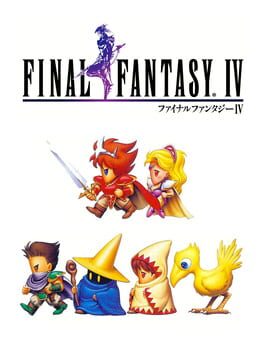
FINAL FANTASY IV is the fourth main installment in the FINAL FANTASY series, developed and published by Squaresoft. It was released in July 1991 for the Super Nintendo Entertainment System in Japan, and released as FINAL FANTASY II in North America in October 1991 with alterations made due to Nintendo of America's guidelines at the time.
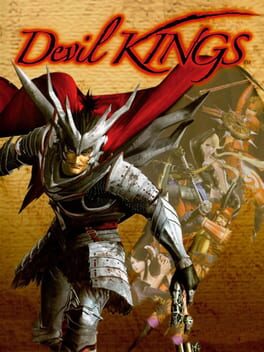
Devil Kings is in the same vein as the Dynasty Warriors series. Whereas in Dynasty Warriors, however, Koei focuses on ancient Chinese history, Devil Kings focuses more on feudal Japan, but with a fictional setting with the ability to use modern day weapons such as chain guns and shotguns as well as fighting legendary and fictional characters from the past. The story takes place as the Devil King, a king possessed by the soul of the Devil, has unleashed an unholy army on the world to bend it to his will as the player must stop him along with many of his minions including his wife Lady Butterfly, his general the Red Minotaur, as well as loyal assassins Scorpio and Venus. The gameplay is more arcade hack-and-slash style, with the ability of using magic spells to wipe out entire waves of enemies and as mentioned before, the ability to use modern day weapons along with historical weapons such as spears, swords among others. There are six playable characters to use as well, each with their own story told in CG and anime cutscenes as well as two modes of play, Conquest (the main story of the game) and Free Mode (where players can play in any unlocked stage they have completed).
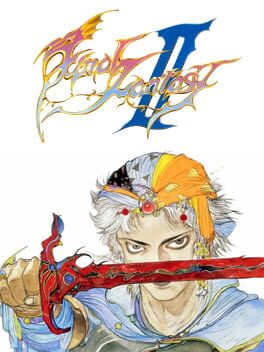
Final Fantasy II is the second installment in the Final Fantasy series, developed and published by Squaresoft. It was directed by Hironobu Sakaguchi, with Yoshitaka Amano designing the characters and Nobuo Uematsu composing the score. It was notable for being one of the first story-intensive RPGs released for console systems, and introducing many series staples, including chocobos and a character named Cid. Its story is unrelated to the original FINAL FANTASY, and its gameplay is a major departure from the previous title for eliminating the traditional experience-based progression system.
FINAL FANTASY IV is the fourth main installment in the FINAL FANTASY series, developed and published by Squaresoft. It was released in July 1991 for the Super Nintendo Entertainment System in Japan, and released as FINAL FANTASY II in North America in October 1991 with alterations made due to Nintendo of America's guidelines at the time.
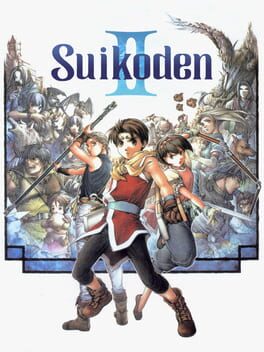
Suikoden II is a role-playing game developed and published by Konami for the PlayStation. Set in a world of warring nations, the game follows a silent protagonist caught between the Kingdom of Highland and the City-States of Jowston. Gameplay combines turn-based party combat, one-on-one duels, and grid-based strategic army battles. Players can recruit over 100 characters, many of whom join the party or contribute to a home base that expands throughout the game. Save data from the original Suikoden can be imported to carry over certain characters and story details.