
More games like Lufia: The Ruins of Lore
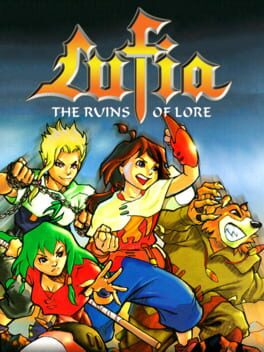
players who liked Lufia: The Ruins of Lore also liked:
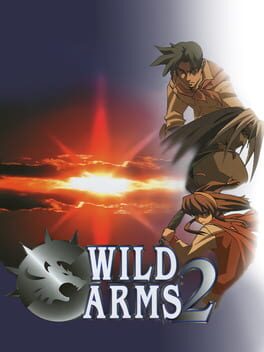
Wild Arms 2 is not a direct sequel to the first Wild Arms, although it is set in the same fictional world Filgaia, which combines elements of Old West, steampunk, and fantasy. The turn-based combat system against randomly appearing enemies resembles that of the predecessor, featuring techniques unique to each character, as well as the Guardian system, which allows the characters to summon powerful creatures to assist them in battles. Three combatants can be used actively in battles; the player can also switch any of them with a reserve character, up to six altogether.
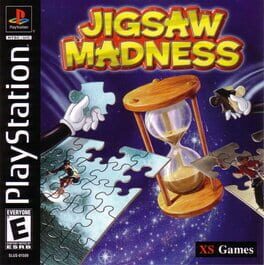
An international Port of "Jigsaw Island: Japan Graffiti" that removes the storyline and plot of the title. A digital re-creation of the hobby of puzzle building, Jigsaw Madness offers gamers a collection of 150 different puzzles (across a variety of themes) that can be pieced together, alone or against up to three other players. Utilizing a small hand-shaped cursor, players construct puzzles that range in size from 24 to 96 to 150 pieces, each depicting anything from animals and insects to sports and animé characters. Players are given only seven pieces at a time with which to work, and basic statistics such as the number of pieces placed both, correctly and incorrectly, as well as the time elapsed is continually displayed. The multiplayer portion of the title allows up to four players to compete against one another, in a race to see who can complete the puzzle fastest. A handful of options are available, including whether or not an outline of the various shapes is displayed on the playing field, thereby making the game easier.
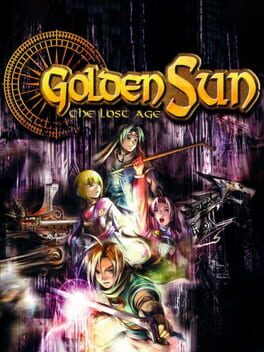
The story of Golden Sun: The Lost Age picks up right near the end of the first game. Golden Sun veterans will be surprised to learn that The Lost Age is played from the point of view of the party being chased as they try to light the remaining two lighthouses, which will unlock the power of alchemy for the world--or will it instead unlock the world's destruction? * LAN PVP mode via GBA Game Link Cable
The incredible sequel to the best-selling RPG hit Breath of Fire is here! You are the last member of the Dragon clan, fighting to rid the world of a growing evil. A cast of unusual and exciting companions joins you in your adventures across a wondrous land full of magic and mystery. You'll find strange mystic items, memorable monsters and exotic locations in your quest to conquer evil. There's strategy and spellcasting galore in the hours of compelling action and adventure that awaits you. Breath of Fire II is the ultimate in RPG excitement!
FINAL FANTASY IV is the fourth main installment in the FINAL FANTASY series, developed and published by Squaresoft. It was released in July 1991 for the Super Nintendo Entertainment System in Japan, and released as FINAL FANTASY II in North America in October 1991 with alterations made due to Nintendo of America's guidelines at the time.
Grandia is a role-playing video game developed by Game Arts and published by Entertainment Software Publishing for the Sega Saturn console as the first game in their Grandia series. Initially released in Japan in 1997, the game was later ported to the PlayStation in 1999, with an English version of the game appearing on the platform in North America in the following September by Sony Computer Entertainment America, and later in Europe in March 2000 by Ubisoft. The game was produced by much of the same staff who worked on the company's previous role-playing endeavor, the Lunar series, including producer Yoichi Miyagi and music composer Noriyuki Iwadare. Since its release, Grandia has become notable for its combat mechanics, which have been carried over to future games within the franchise, and has spawned two spin-off titles – Grandia: Digital Museum and Grandia: Parallel Trippers – both released exclusively in Japan. In celebration of the announcement of renewing development on Grandia Online, which acts as a prequel to Grandia, the game was re-released on Sony's PlayStation Network platform in Japan as a downloadable title in April 2009 and in North America on February 25, 2010. It was re-released in Europe on November 10, 2010.
Final Fantasy V is a fantasy role-playing video game developed and published by Square in 1992 as a part of the Final Fantasy series. The game first appeared only in Japan on Nintendo's Super Famicom (known internationally as the Super Nintendo Entertainment System). It has been ported with minor differences to Sony's PlayStation and Nintendo's Game Boy Advance. An original video animation produced in 1994 called FINAL FANTASY: Legend of the Crystals serves as a sequel to the events depicted in the game. It was released for the PlayStation Network on April 6, 2011, in Japan. An enhanced port of the game, with new high-resolution graphics and a touch-based interface, was released for iPhone and iPad on March 28, 2013, and for Android on September 25, 2013. FINAL FANTASY V has been praised for the freedom of customization that the player has over the characters, achieved through the greatly expanded Job System. Despite being released only in Japan, the Super Famicom version sold more than two million copies. The PlayStation version has earned "Greatest Hits" status, selling more than 350,000 copies.
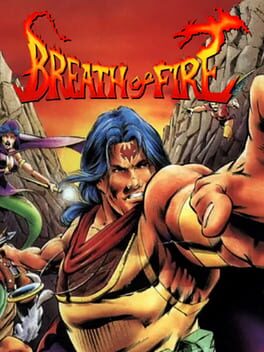
Recognized by Capcom as their first traditional role-playing video game, Breath of Fire would set the precedent for future entries in the series, and features character designs by company head of development Keiji Inafune, as well as music by members of Capcom's in-house sound team Alph Lyla. In 2001, the game was re-released for the Game Boy Advance handheld system with new save features and minor graphical enhancements, with the English version being released in Europe for the first time. Set in a fantasy world, Breath of Fire follows the journey of a boy named Ryu, one of the last surviving members of an ancient race with the ability to transform into mighty dragons, as he searches the world for his sister. During his quest, Ryu meets other warriors who share his quest, and comes into conflict with the Dark Dragon Clan, a militaristic empire who seeks to take over the world by reviving a mad goddess. The game experienced mostly positive reception upon release, and was followed by a direct sequel, Breath of Fire II, in 1994.