
More games like Guitar Hero Live

players who liked Guitar Hero Live also liked:
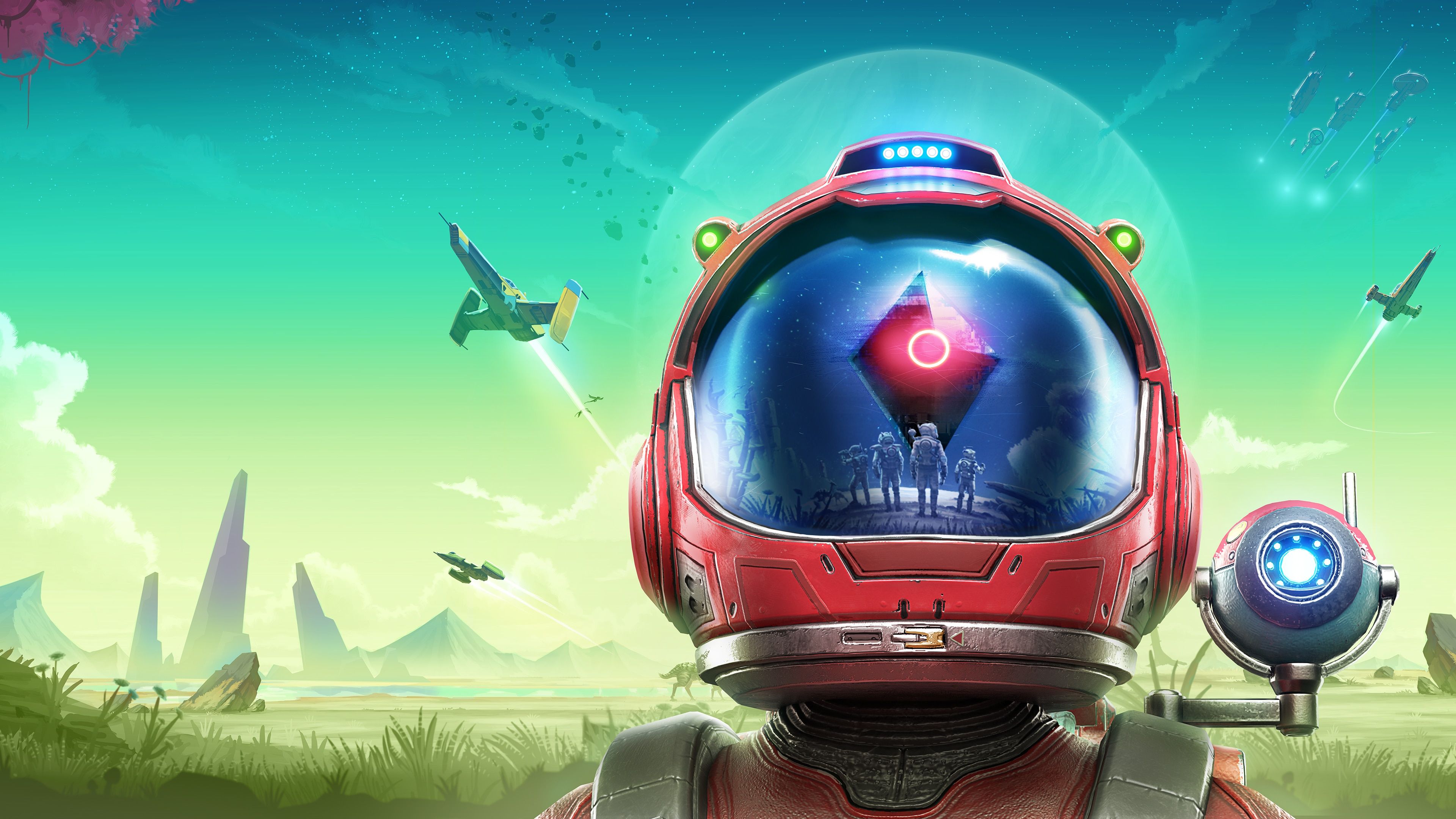
No Man's Sky is an action-adventure survival game set in a procedurally generated universe containing over 18 quintillion planets. Players explore star systems, gather resources, trade with alien species, and upgrade their equipment while following an overarching narrative involving a mysterious entity called the Atlas. The game is built around four pillars: exploration, survival, combat, and trading. Since its 2016 launch, it has received numerous free updates adding multiplayer, base building, fleet management, and virtual reality support.
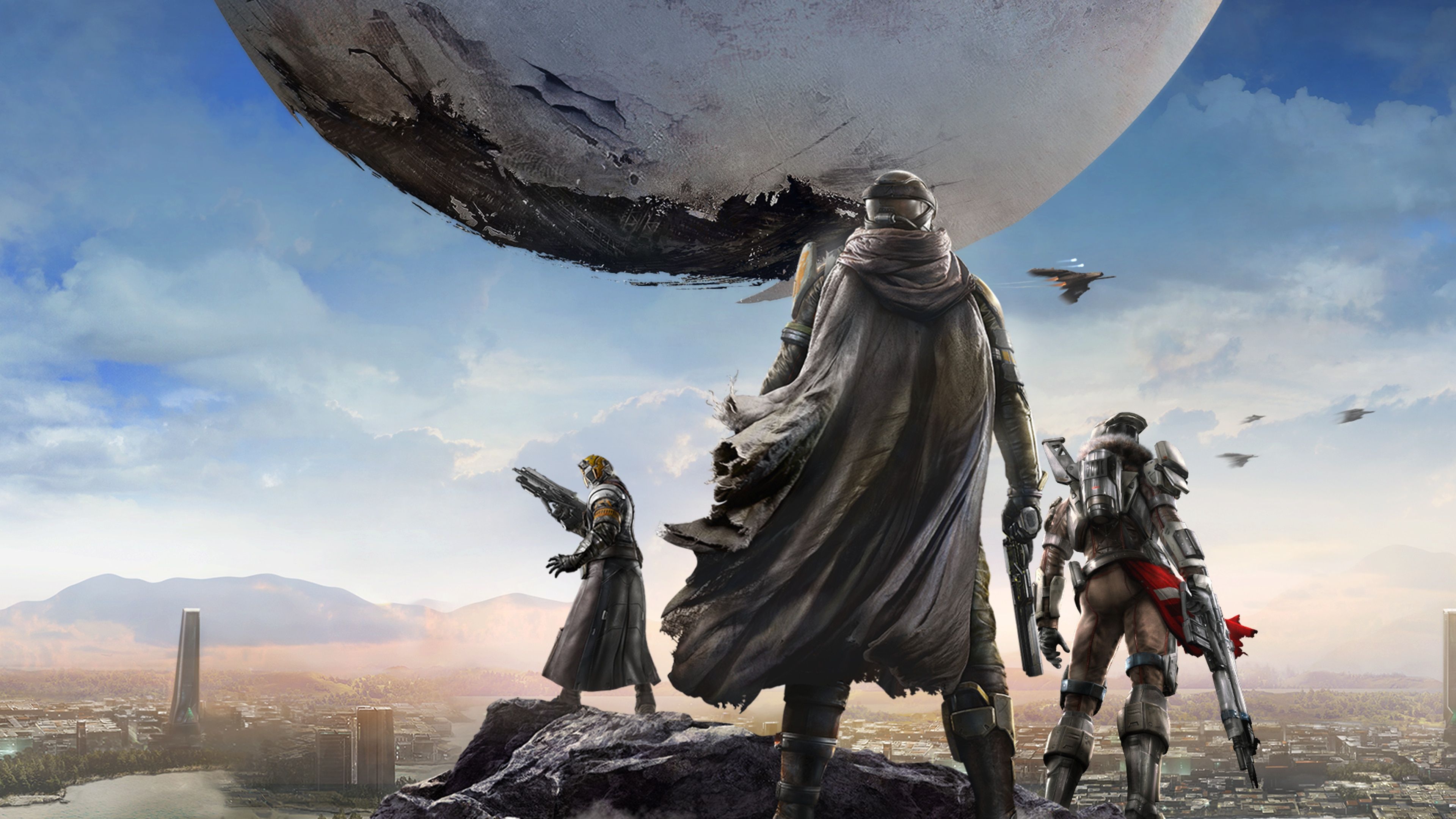
Bungie has emphasized that the universe of Destiny will be "alive". Events may happen in-game that are not necessarily controlled or planned by the developer, which will help to create a dynamic developing experience for Bungie and a dynamic playing experience for gamers. The game's style has been described a first-person shooter that will incorporate massively multiplayer online game (MMO) elements, but Bungie has avoided defining Destiny as a traditional MMO game. Instead, the game has been referred to as a "shared-world shooter," as it lacks many of the characteristics of a traditional MMO game. For instance, rather than players being able to see and interact with all other players in the game or on a particular server—as is the case in many conventional MMO games—Destiny will include on-the-fly matchmaking that will allow players to see and interact only with other players with whom they are "matched" by the game. Destiny will incorporate a new game engine that allows global illuminations and real-time dynamic lighting to occur together. An innovation in Bungie's "hopper" technology, which has been the backbone for Halo's matchmaking system, will allow better player matchmaking in order to create a more natural experience in either cooperative or competitive multiplayer modes.
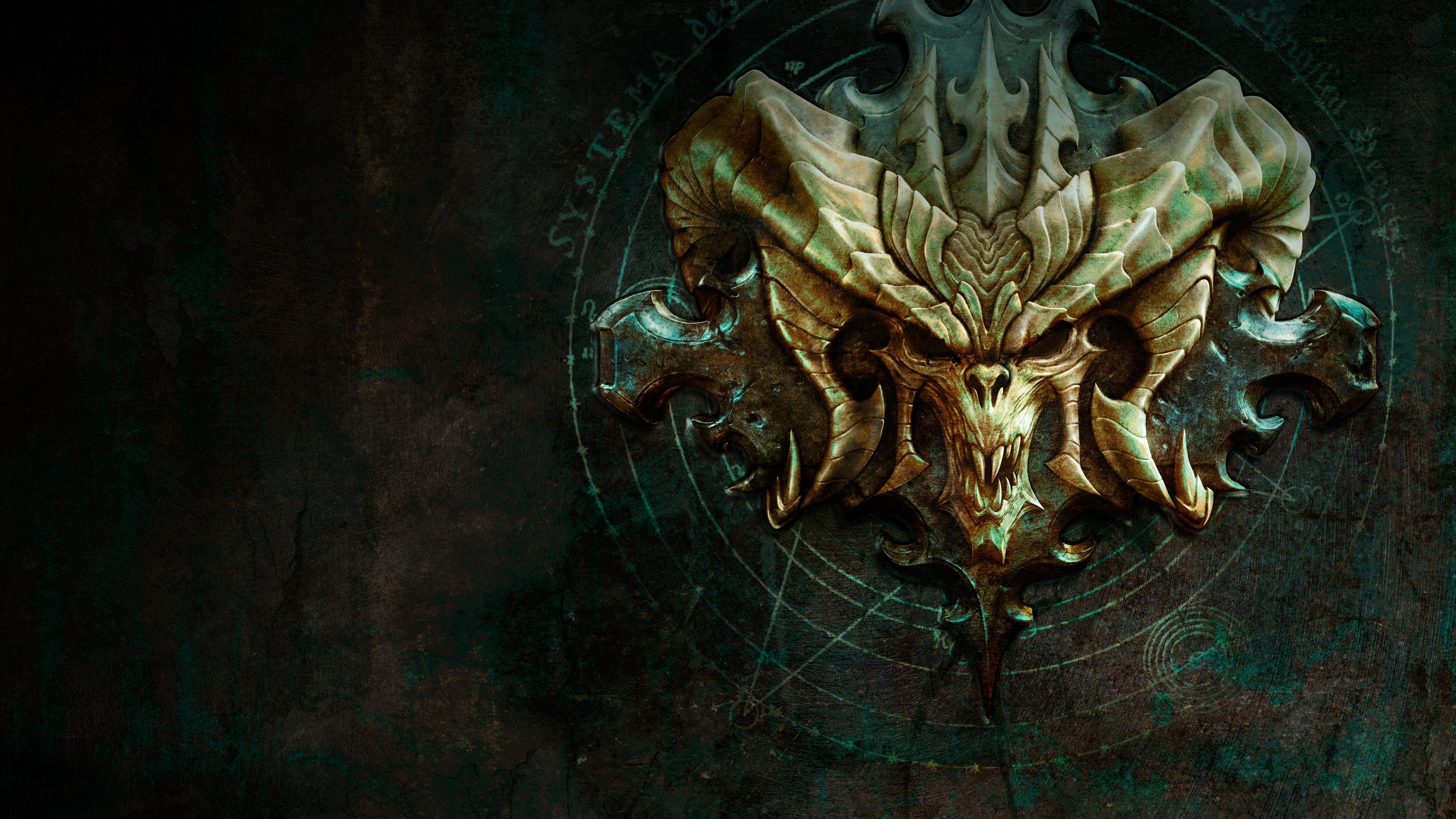
Diablo III is the third installment in Blizzard's franchise. The game, like its predecessors, is a dungeon crawler in which the player fights against hordes of enemies ranging from beasts and undead to actual demons. The game has four acts, two game modes (normal and hardcore) as well as four difficulty levels: Normal, Nightmare, Hell and Inferno. A new addition to Diablo III is the auction house, where items are exchanged for in-game gold or real money, also usable to purchase Blizzard merchandise. The game features a wide array of achievements earned upon meeting certain requirements.
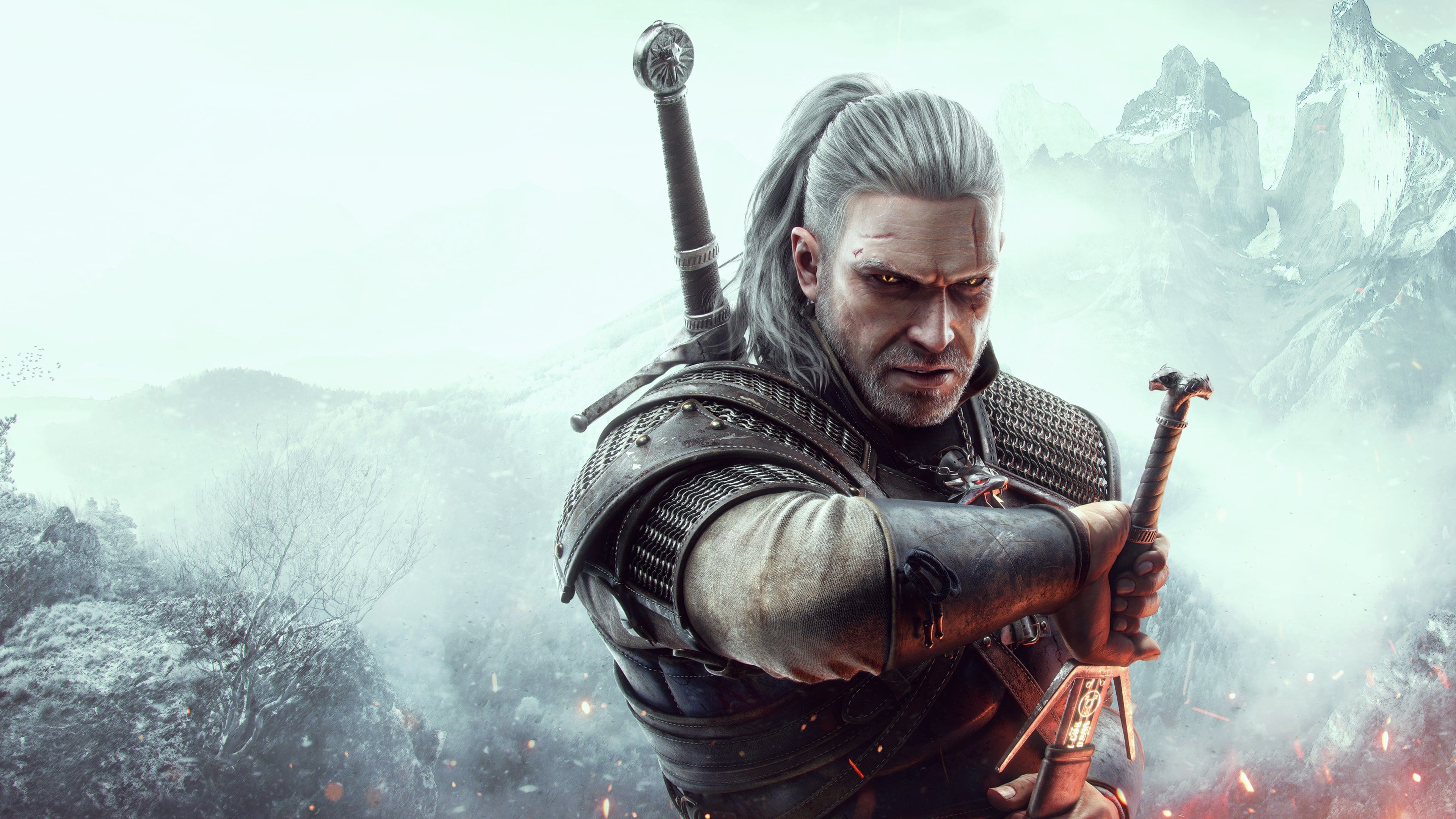
The Witcher 3: Wild Hunt is an open-world action role-playing game developed by CD Projekt Red. Set in a dark fantasy world, the game follows Geralt of Rivia, a monster hunter searching for his adopted daughter, Ciri, while navigating political conflicts and supernatural threats. Gameplay features exploration, combat, character progression, and branching narratives shaped by player choices. Widely acclaimed for its writing, world-building, and depth, it is considered one of the most influential RPGs of its generation.
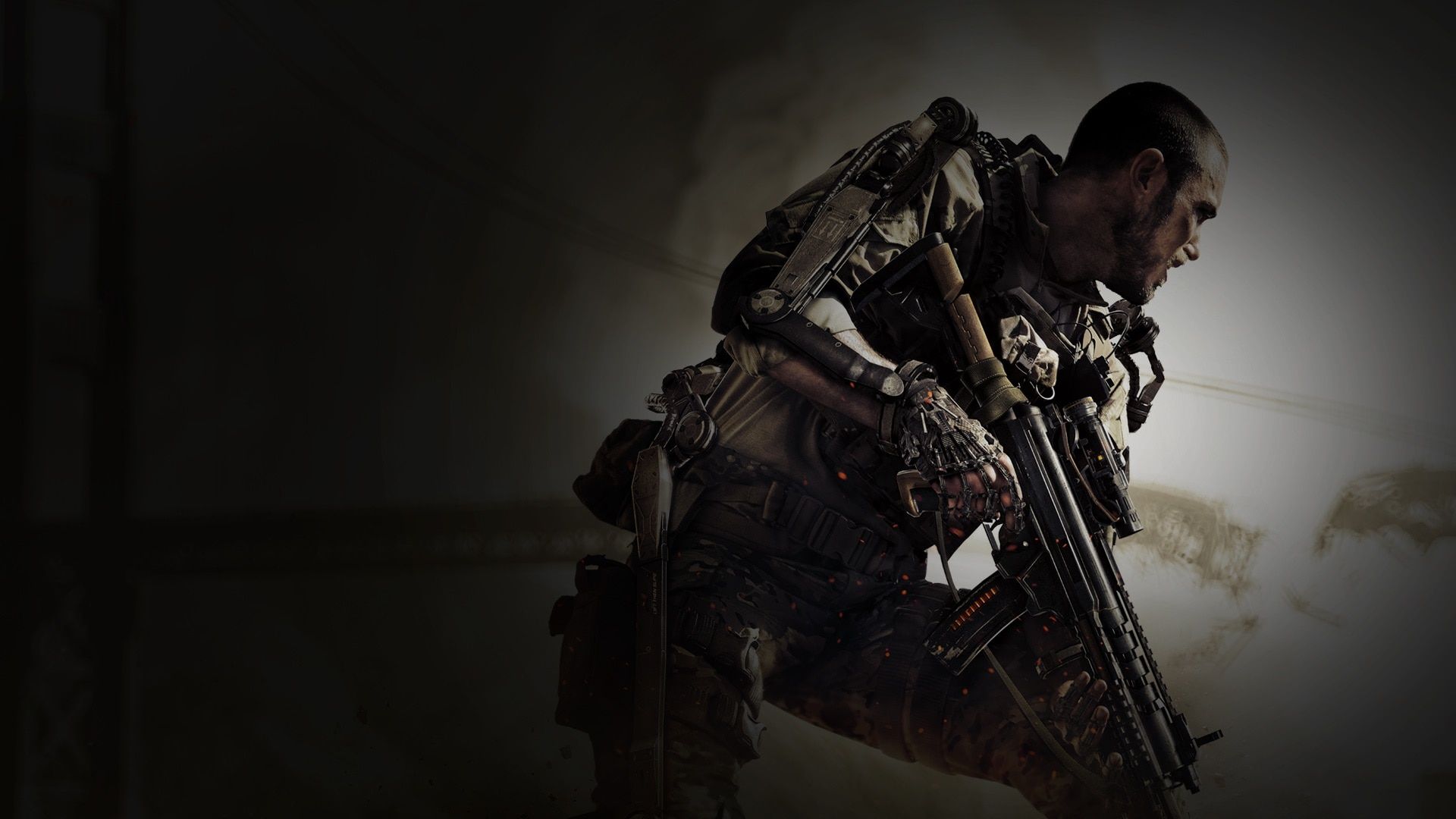
Call of Duty: Advanced Warfare is a first-person shooter with single-player and multiplayer modes. It is set in a near future where powered exoskeletons give soldiers enhanced mobility such as boosting, dashing, and jumping, alongside conventional and directed-energy weapons. The campaign follows a single protagonist through a cinematic story, while multiplayer and a wave-based cooperative survival mode build on the exoskeleton movement and a loadout customization system.

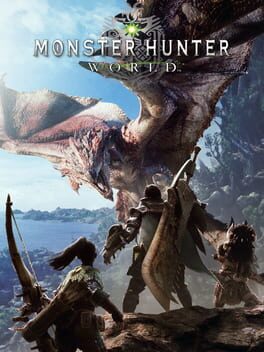
Welcome to a new world! Take on the role of a hunter and slay ferocious monsters in a living, breathing ecosystem where you can use the landscape and its diverse inhabitants to get the upper hand. Hunt alone or in co-op with up to three other players, and use materials collected from fallen foes to craft new gear and take on even bigger, badder beasts!

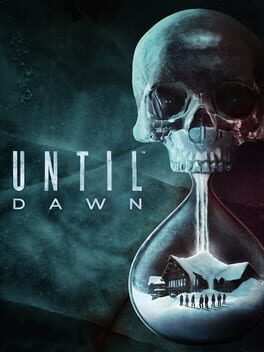
Until Dawn is an interactive drama survival horror video game. It was originally planned as a first-person game for the PlayStation 3's motion controller PlayStation Move, but the motion controls were later dropped when it became a PlayStation 4 exclusive game. Until Dawn is designed to be played multiple times, as players will miss out on quite a bit of content with a single playthrough. Each will last about nine hours in length and the game mechanics utilize a new in-game system called the "Butterfly Effect" in which any choice of action by the player may cause unforeseen consequences later on. For example, locating a weapon in an earlier chapter may allow the player to pick it up down the line when a chase scene leads back to the same room. Throughout the game, players will make difficult decisions during ethical or moral dilemmas, such as sacrificing one character to save another. The Butterfly Effect system blurs the line between right and wrong decisions and it is possible for players to keep all eight characters alive as well as having all eight of them die, allowing for many different paths and scenarios as well as offering several different endings. Until Dawn has a strict auto-save system to prevent players from reloading a previous save file to an earlier point in the game if they regret an in-game decision they have made. The only way to change the player's choice is to restart the game from the beginning or continue to the end and start a new game. In a developer interview, it has been said that Until Dawn has "hundreds of endings". Different endings have different variations depending on the combination of characters alive at the end of the game. The gameplay is focused on exploration, quick-time events and discovering clues as well as making decisions. There is an in-game system that will keep track of all of the clues and secrets players have discovered in total, even if there are multiple playthroughs; these clues will allow the player to piece together the mysteries of Blackwood. In terms of the gameplay mechanics and theme, Until Dawn has been noted to be similar to Heavy Rain and Beyond: Two Souls. Until Dawn was met with a positive critical response upon release, with praise directed at the visuals, choice mechanic, horror elements, music, voice acting and gameplay design. Most of the criticism the game drew was concerning the story, mostly the second half, camera angles, character movements and partially linear plot.