
More games like Fire Emblem: The Blazing Blade
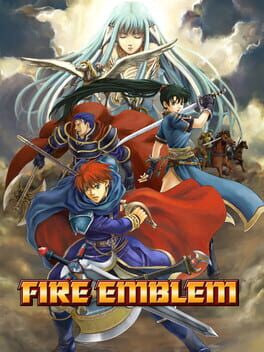
players who liked Fire Emblem: The Blazing Blade also liked:
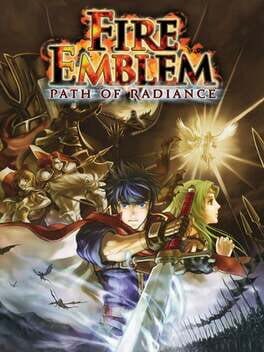
Fire Emblem: Path of Radiance is a tactical role-playing video game developed by Intelligent Systems and Nintendo SPD, and published by Nintendo for the GameCube home console in 2005. It is the ninth main installment in the Fire Emblem series,[c] and the third to be released in the west. As with previous installments, gameplay revolves around positioning characters on a battlefield to defeat an opposing force. If characters are defeated in battle, they are removed from the rest of the game.

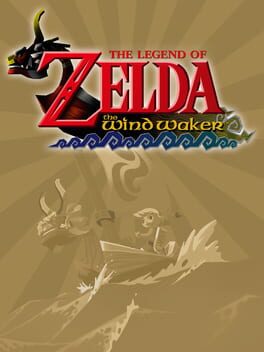
The Legend of Zelda: The Wind Waker is the first Zelda game for the Nintendo GameCube and also the first in the series to employ cel-shading, a lighting and texturing technique that results in the game having a cartoon-like appearance. Like its predecessors, The Wind Waker is an action game with puzzle-solving and light role-playing elements. Basic gameplay mechanics are similar to those found in Ocarina of Time, but it differentiates itself with its massive Great Sea which must be explored using a boat named King of Red Lions.
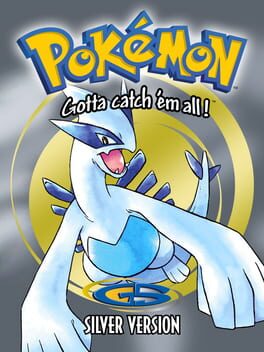
Pokemon Silver is a role-playing game played from a top-down perspective, in which the player explores the world, catches wild creatures called Pokemon, and trains them through turn-based battles. Set in the Johto region, it continues the core loop of building a team, earning Gym Badges, and completing the Pokedex by capturing, evolving, and trading creatures. This entry introduced 100 new Pokemon along with additions such as a real-time internal clock that affects certain events, Pokemon breeding, held items, and two new creature types. It supports linking with other games in the series to trade and battle.
Mario's Picross is a puzzle game for the Game Boy and the first game in the Nintendo-published Picross series. In this game, Mario takes on the role of an archaeologist who chisels away the squares in each playfield. The result is a small picture. There are 256 different puzzles to solve, divided into four courses with increasing difficulty level.
Sequel to Pokémon Gold and Silver Versions (1999), Pokémon Ruby and Sapphire Versions offer 135 new Pokémon, more complex battling and training systems, new crime organizations, a longer and more story-focused campaign and upgraded graphics to create a new and technically improved Pokémon experience.
Pokémon Red, along with Pokémon Green, are the first video games in the Pokémon series of games. They are the first paired versions of Generation I. Developed over the course of several years, Red and Green established several standards for later Pokémon games and sequels. They take place in the Kanto region, with the player having to collect eight Gym Badges to become the Pokémon Champion while also completing the Pokédex by collecting all 151 Pokémon.
Pokémon Red, along with Pokémon Green, are the first video games in the Pokémon series of games. They are the first paired versions of Generation I. Developed over the course of several years, Red and Green established several standards for later Pokémon games and sequels. They take place in the Kanto region, with the player having to collect eight Gym Badges to become the Pokémon Champion while also completing the Pokédex by collecting all 151 Pokémon.