More games like Final Fantasy X-2
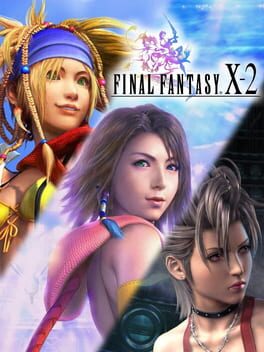
players who liked Final Fantasy X-2 also liked:
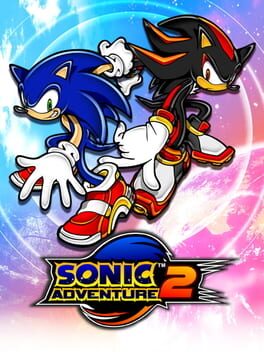
Sonic Adventure 2 is the sequel to Sonic Adventure. It was the final Sonic game for the Dreamcast after Sega discontinued the console. Two new playable characters were introduced, Shadow and Rouge, who would go on to become two of the most recurring characters in the Sonic series. The story features good vs evil: Sonic, Tails and Knuckles attempt to save the world, while Shadow, Doctor Eggman and Rouge attempt to conquer it. The levels are divided into three gameplay styles: fast-paced platforming for Sonic and Shadow, multi-directional shooting for Tails and Eggman, and action-exploration for Knuckles and Rouge.
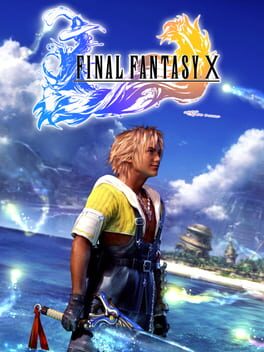
Final Fantasy X is the tenth main installment in the FF series and the first title released on sixth-generation consoles. It was also the first game to feature fully three-dimensional areas rather than including pre-rendered backdrops, and the first to include voice acting. Final Fantasy X tells the story of a star blitzball player, Tidus, who journeys with a young and beautiful summoner named Yuna on her quest to save the world of Spira from an endless cycle of destruction wrought by the colossal menace Sin.
![Boxart for Grand Theft Auto: San Andreas [Subset - Vehicle Enthusiast]](https://playtracker.net/cdn-cgi/image/format=auto/https://playtracker-apollo.fra1.cdn.digitaloceanspaces.com/thumbnails/game_thumb_125857.png)
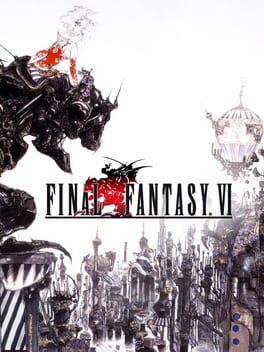
Final Fantasy VI is the sixth main installment in the Final Fantasy series, developed and published by Square. It was the final title in the series to feature two-dimensional graphics, and the first story that did not revolve around crystals. The game gives players up to fourteen playable characters, the largest cast in the series, and features the Active Time Battle pseudo-turn based menu command system. A party can consist of up to four characters, though some events require the player to assemble three different parties of up to four and switch between them. Each character has a unique command ability, such as Terra's Trance, Locke's Steal, Edgar's Tools or Sabin's Blitz, and can also learn Magic spells from earning AP from battles with magicite equipped. Each character's rare Desperation Attack will randomly activate after using the Attack command when at critical health.
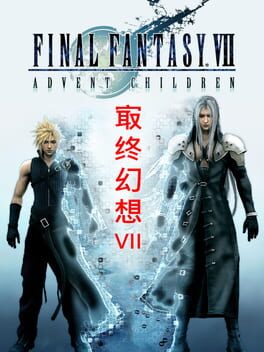
Final Fantasy VII is an unlicensed "Shanzhai" demake of SquareSoft role-playing game of the same name, originally released for PlayStation in 1997. This two-dimensional "port" was developed and published by Chinese company Shenzhen Nanjing Technology for Subor, a Nintendo's Family Computer clone console series (internationally known as the NES). The cartridge itself is unique, as it is structurally different from licensed Famicom cartridges in terms of hardware and programming.
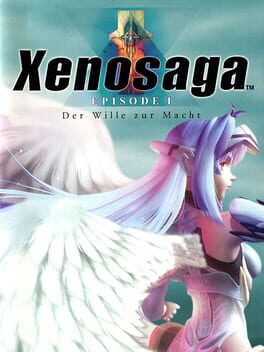
Xenosaga: Episode I - Der Wille zur Macht, the first chapter of a trilogy, is a Japanese-style sci-fi role-playing game, sharing many common themes and gameplay elements with Xenogears. The battle system is not unlike the one used in Xenogears (combo attacks, AP and EP gauges, etc.), but random encounters are eliminated. Instead, the enemies are now visible and battles can be avoided. During combat the few upcoming ally and enemy turns are shown onscreen, allowing the player to make strategic decisions based on who will act next. A rolling slot moves with each turn as well, conferring a bonus such as added damage or bonus XP for any action on that turn. If the enemy would be in position to take an advantage then the player can expend a character's "boost" gauge to cut in and act next, although enemies can boost as well, and enemy boosts always over-ride player boosts. Each character has a unique tree of Ether spells they can learn by spending Ether points earned in battle, with lower spells requiring spells above them to be purchased first. After a spell is purchased, so long is it does not require a unique talent of that character, the spell can also be purchased and learned by any other character that can afford double its normal cost. The Anti-Gnosis Weapon Systems can be equipped with different weapons and accessories and can be used in combat provided that a character has enough AP on that turn to board their AGWS.
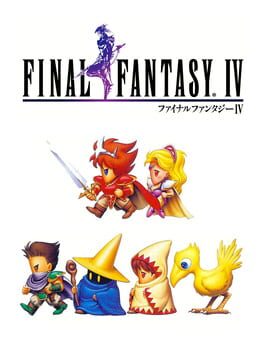
FINAL FANTASY IV is the fourth main installment in the FINAL FANTASY series, developed and published by Squaresoft. It was released in July 1991 for the Super Nintendo Entertainment System in Japan, and released as FINAL FANTASY II in North America in October 1991 with alterations made due to Nintendo of America's guidelines at the time.
Final Fantasy VI is the sixth main installment in the Final Fantasy series, developed and published by Square. It was the final title in the series to feature two-dimensional graphics, and the first story that did not revolve around crystals. The game gives players up to fourteen playable characters, the largest cast in the series, and features the Active Time Battle pseudo-turn based menu command system. A party can consist of up to four characters, though some events require the player to assemble three different parties of up to four and switch between them. Each character has a unique command ability, such as Terra's Trance, Locke's Steal, Edgar's Tools or Sabin's Blitz, and can also learn Magic spells from earning AP from battles with magicite equipped. Each character's rare Desperation Attack will randomly activate after using the Attack command when at critical health.