
More games like Final Fantasy Anthology: Final Fantasy V

players who liked Final Fantasy Anthology: Final Fantasy V also liked:
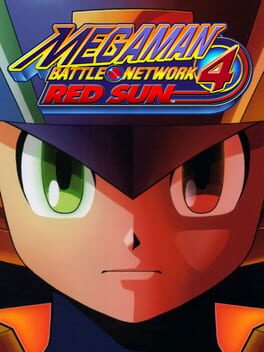
The fourth installment in the Mega Man Battle Network series comes in two versions--Red Sun and Blue Moon--each with different enemies, battle chips, souls, and characters. Once again, you assume the role of Lan as he and his friend, Mega Man.exe, fight to rid the Internet of viruses and other cyberworld enemies. Unlike previous games in the series, Mega Man Battle Network 4 focuses on a tournament system where players encounter a variety of enemies that must be defeated. A new Soul Unison system lets Mega Man transform into his defeated enemies.

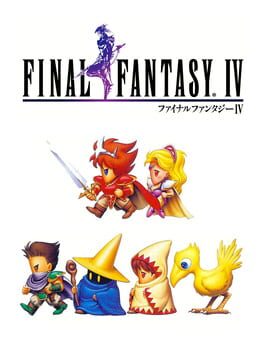
FINAL FANTASY IV is the fourth main installment in the FINAL FANTASY series, developed and published by Squaresoft. It was released in July 1991 for the Super Nintendo Entertainment System in Japan, and released as FINAL FANTASY II in North America in October 1991 with alterations made due to Nintendo of America's guidelines at the time.
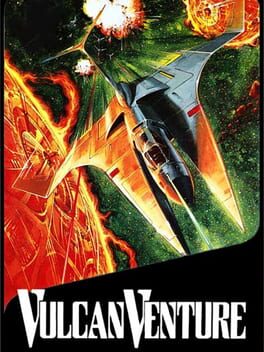
Vulcan Venture (also known as Gradius II: Gofer no Yabo) is a side-scrolling shoot ’em up developed by Konami and released in arcades in 1988. Players control the Vic Viper spacecraft as it battles the Bacterion Empire, now led by Gofer. The game builds on the original Gradius by retaining the power-up bar system while introducing selectable weapon configurations and expanded abilities such as different missiles, double, and laser options. It also incorporates elements from Salamander (Life Force) and introduces a stage focused entirely on consecutive boss encounters.
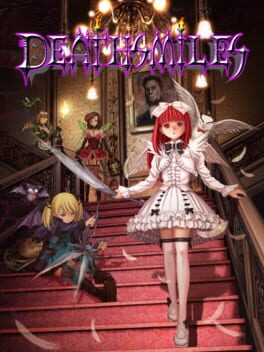
Deathsmiles is CAVE's bullet-hell shoot-'em-up where you take the role of one of five Angels to defend the magical land of Gilverado from an invasion by Hell itself! Eradicate this devilish assault!
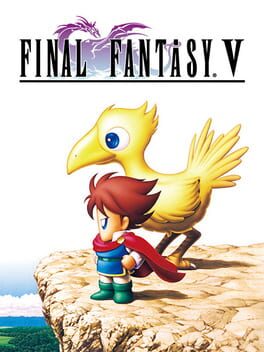
Final Fantasy V is a fantasy role-playing video game developed and published by Square in 1992 as a part of the Final Fantasy series. The game first appeared only in Japan on Nintendo's Super Famicom (known internationally as the Super Nintendo Entertainment System). It has been ported with minor differences to Sony's PlayStation and Nintendo's Game Boy Advance. An original video animation produced in 1994 called FINAL FANTASY: Legend of the Crystals serves as a sequel to the events depicted in the game. It was released for the PlayStation Network on April 6, 2011, in Japan. An enhanced port of the game, with new high-resolution graphics and a touch-based interface, was released for iPhone and iPad on March 28, 2013, and for Android on September 25, 2013. FINAL FANTASY V has been praised for the freedom of customization that the player has over the characters, achieved through the greatly expanded Job System. Despite being released only in Japan, the Super Famicom version sold more than two million copies. The PlayStation version has earned "Greatest Hits" status, selling more than 350,000 copies.

You are a new skater in the city of L.A.. The main drive of the game is that your hanging around with a skating group and its leader, who also happens to be a skating legend, at their skate park in Beverly Hills called Skate Ranch. Throughout the game you must help your friends by getting skate pieces for Skate Ranch. The game marks the third reinvention of the series, with Pro Skater being the first, and Underground being the second. It comes with brand new features like the ability to change your personal appearance in game, as well as the ability to get off of the skateboard and use a BMX. For the first time all of levels are strung together into one big environment, which gets rid of loading times and menu selection. Old features were also kept like Create-a-park, which dates back to the Pro Skater series. Missions are still acquired by going up to random people or friends and accepting the mission they want you to run. The game also includes a multiplayer mode and co-op for up to 2 players for added replay value.
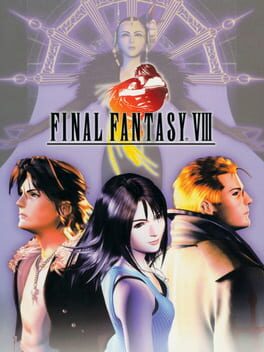
Final Fantasy VIII is the eighth main installment in the Final Fantasy series. The gameplay makes a departure from many series standards. While it still uses the Active Time Battle system, it deviates from the series' traditional means of boosting a character's power via leveling, although levels are not completely abandoned as they were in Final Fantasy II. In addition, it does not have a Magic Point-based system for spell-casting. Instead, magic is collected, drawn, and created from items, and is used to power up the characters via the junction system.