
More games like Cannon Fodder
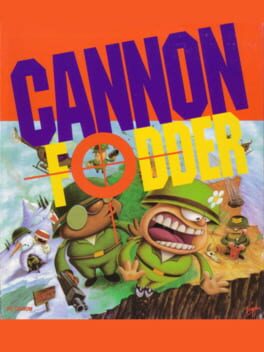
players who liked Cannon Fodder also liked:
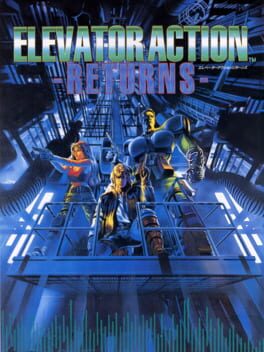
Elevator Action Returns, also known as Elevator Action II, is a 1994 run and gun arcade game developed and published by Taito. It is the sequel to Elevator Action (1983), featuring a much more gritty and realistic setting. Returns retains the elevator-based gimmick from the original, but expands the gameplay system and replaces the spy motif with a new scenario involving a paramilitary team fighting against a terrorist group.
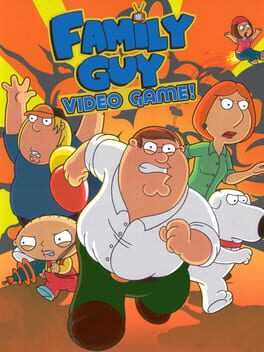
This game is based on the animated television series Family Guy. It was also released for the PlayStation 2 and the original Xbox. The game is split into 22 levels for the three playable characters: Peter, Stewie or Brian. Peter and Stewie have eight levels, while Brian has six. Each character has his own unique style of play. A key feature of the game are mini-games done in the same style as the cutaway gags that the show is famous for, usually lasting less than 10 seconds. The mini-games often repeat cutaway gags from the shows, such as Peter inexplicably burning his hand in a waffle iron. Successfully completing the mini-game offers a bonus: Brian becomes invisible for a short period, while Peter and Stewie receive power-ups for their respective abilities.
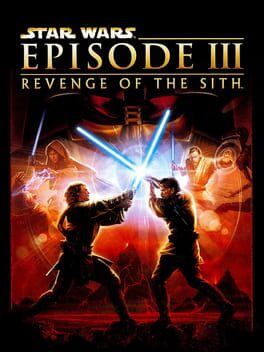
Third-person action/adventure game, Star Wars: Episode III, delivers the ultimate Jedi action experience as Anakin Skywalker and Obi-Wan Kenobi join forces in fierce battles and heroic lightsaber duels until one's lust for power and the other's devotion to duty leads to a final confrontation between good and evil. In Star Wars: Episode III, players control all the Jedi abilities of both Anakin Skywalker and Obi-Wan Kenobi, including devastating Force powers and advanced lightsaber techniques involving robust combo attacks and defensive maneuvers. As Anakin, unleash the power of the dark side in ruthless lightsaber and Force attacks. As Obi-Wan, struggle to save the galaxy from darkness by focusing the power of the light side into swift and precise lightsaber attacks and using the Force to control enemy actions.
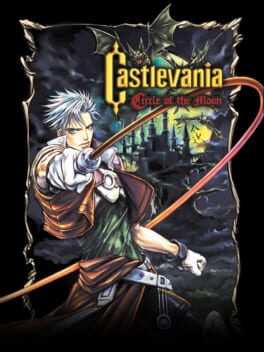
Castlevania: Circle of the Moon is the first of the series to be based on the action/RPG structure of Castlevania:Symphony of the Night rather than the level-based action style of all previous Castlevania games. Dracula's castle is a single continuous building, and as Nathan discovers artifacts within it he gains new abilities that allow him to explore more of it. While Nathan can only use his Killer Whip as a weapon, he can find and equip different kinds of armor and accessories that change his stats. Unique to this entry in the series is the Dual Set-up System, where a combination of two cards will give Nathan unique magical abilities. For example, equipping a fire type card with a whip card will give the Killer Whip a fire attribute, while equipping it with a summon card will let Nathan summon a fire demon to attack onscreen enemies.
Mario's Picross is a puzzle game for the Game Boy and the first game in the Nintendo-published Picross series. In this game, Mario takes on the role of an archaeologist who chisels away the squares in each playfield. The result is a small picture. There are 256 different puzzles to solve, divided into four courses with increasing difficulty level.
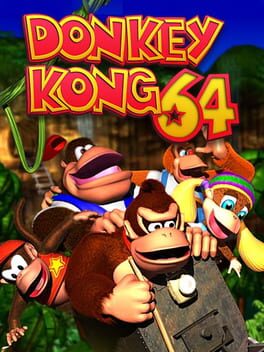
K. Rool has kidnapped the Kongs! Can Donkey Kong rescue his friends, reclaim the Golden Bananas and save his homeland from certain doom? Take out some Kremlings with Chunky's Pineapple Launcher or Lanky's Trombone. Float through the air using Tiny's Ponytail Twirl. Even rocket to the sky with Diddy's Jetbarrel!
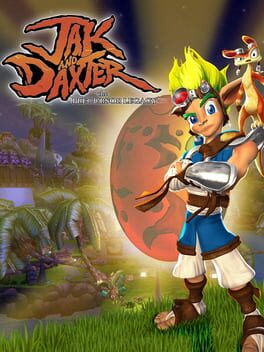
Jak and Daxter: The Precursor Legacy is a 2001 platform video game developed by Naughty Dog and published by Sony Computer Entertainment for the Sony PlayStation 2 on December 4, 2001, as the first game of the Jak and Daxter series. The game follows the protagonist, a young teenager named Jak, as he tries to help his friend Daxter after he is transformed into an "ottsel", a fictional hybrid of an otter and a weasel. The game offers a large range of missions, collectables and objectives, often in the form of minigames, which provide a variety of gameplay experiences, as well as puzzles and platforming stages, which are completed by the player to proceed with the story.
The Legend of Zelda: The Wind Waker is the first Zelda game for the Nintendo GameCube and also the first in the series to employ cel-shading, a lighting and texturing technique that results in the game having a cartoon-like appearance. Like its predecessors, The Wind Waker is an action game with puzzle-solving and light role-playing elements. Basic gameplay mechanics are similar to those found in Ocarina of Time, but it differentiates itself with its massive Great Sea which must be explored using a boat named King of Red Lions.