
More games like Army Men Advance
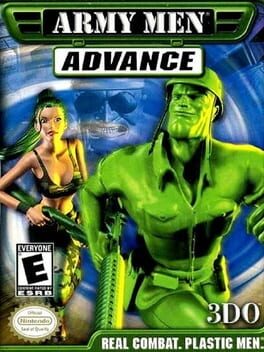
players who liked Army Men Advance also liked:
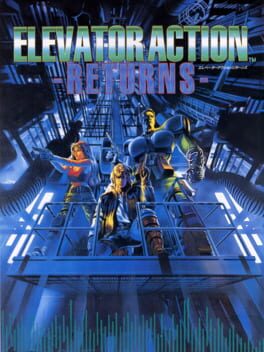
Elevator Action Returns, also known as Elevator Action II, is a 1994 run and gun arcade game developed and published by Taito. It is the sequel to Elevator Action (1983), featuring a much more gritty and realistic setting. Returns retains the elevator-based gimmick from the original, but expands the gameplay system and replaces the spy motif with a new scenario involving a paramilitary team fighting against a terrorist group.

Single player takes the form of a "Story" mode divided into five episodes and fifteen linear levels. The player will face weak minions (which change based on the episode), plus occasional sub-bosses which will try to escape into town. The final level is devoted to a unique boss fight. Players use quirky weapons ranging from infinite yellow snowballs to cow launchers and toxic Terrance and Phillip dolls. Every weapon has a secondary fire, and players switch between the four main characters when they switch weapons - each of the four kids shares a single life bar because of this. The kids will comment on game actions as they occur, with heavier profanity censored with bleeps. The kids will get angrier (and fouler) as their health depletes, until they finally give up on saving the town and go home.
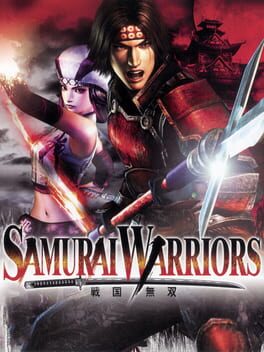
Samurai Warriors is the first title in the series of hack and slash video games created by Koei's Omega Force team based loosely around the Sengoku ("Warring States") period of Japanese history and it is a sister series of the Dynasty Warriors series. In the basic gameplay of Samurai Warriors, the player takes the role of a single officer in battle and must fend off hordes of enemy soldiers and defeat the enemy commander. The player has at their disposal a range of combo attacks and crowd-clearing special moves known as Musou attacks. The variety of attacks available increase as the character levels up and acquires more superior weapons. The game features a total of 15 characters based on historical figures during the Warring States period of Japan.
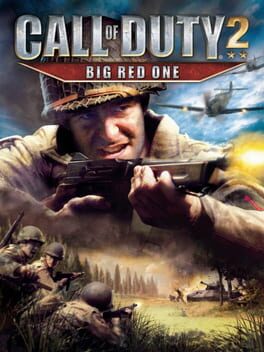
"Call of Duty 2: Big Red One" is a first-person shooter developed by Treyarch and published by Activision, tailored specifically for console gamers. Released in 2005, the game focuses on the experiences of the U.S. Army's 1st Infantry Division, famously known as the "Big Red One," during World War II. Players are thrust into a gripping narrative that spans the North African campaign, the invasion of Sicily, and the push through Western Europe, including the D-Day landings. The game emphasizes squad-based combat, offering a deeply immersive experience by highlighting the camaraderie and challenges faced by soldiers in the heat of battle. "Big Red One" stands out for its cinematic storytelling, detailed environments, and realistic sound design. The game captures the chaos and intensity of warfare while providing historical context and personal stories from the soldiers' perspectives. With its engaging gameplay and emotional depth, "Call of Duty 2: Big Red One" delivers a compelling wartime experience, making it a notable entry in the Call of Duty series.
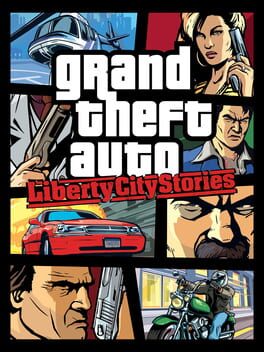
Grand Theft Auto: Liberty City Stories is an action-adventure game set in Liberty City in 1998, serving as a prequel to Grand Theft Auto III. Players assume the role of Toni Cipriani, a member of the Leone crime family, as he returns from hiding to reestablish his position within the organization. The game features open-world exploration, mission-based progression, and various side activities, maintaining the series' hallmark gameplay elements.
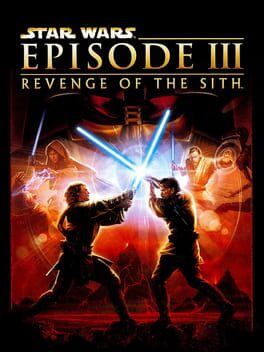
Third-person action/adventure game, Star Wars: Episode III, delivers the ultimate Jedi action experience as Anakin Skywalker and Obi-Wan Kenobi join forces in fierce battles and heroic lightsaber duels until one's lust for power and the other's devotion to duty leads to a final confrontation between good and evil. In Star Wars: Episode III, players control all the Jedi abilities of both Anakin Skywalker and Obi-Wan Kenobi, including devastating Force powers and advanced lightsaber techniques involving robust combo attacks and defensive maneuvers. As Anakin, unleash the power of the dark side in ruthless lightsaber and Force attacks. As Obi-Wan, struggle to save the galaxy from darkness by focusing the power of the light side into swift and precise lightsaber attacks and using the Force to control enemy actions.
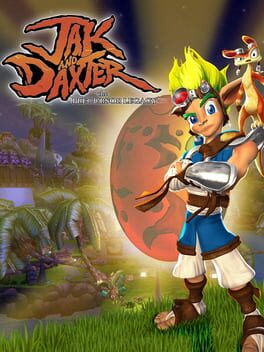
Jak and Daxter: The Precursor Legacy is a 2001 platform video game developed by Naughty Dog and published by Sony Computer Entertainment for the Sony PlayStation 2 on December 4, 2001, as the first game of the Jak and Daxter series. The game follows the protagonist, a young teenager named Jak, as he tries to help his friend Daxter after he is transformed into an "ottsel", a fictional hybrid of an otter and a weasel. The game offers a large range of missions, collectables and objectives, often in the form of minigames, which provide a variety of gameplay experiences, as well as puzzles and platforming stages, which are completed by the player to proceed with the story.
Mario's Picross is a puzzle game for the Game Boy and the first game in the Nintendo-published Picross series. In this game, Mario takes on the role of an archaeologist who chisels away the squares in each playfield. The result is a small picture. There are 256 different puzzles to solve, divided into four courses with increasing difficulty level.